 Clearwater Siding
 Storm Damage Roof Repair Built for Belleair Bluffs Homes
Belleair Bluffs sits close enough to the water that every roof in the neighborhood is doing double duty — shedding the daily UV load of a Florida summer and standing up to whatever comes off the Gulf during storm season. When wind, hail, or wind-driven rain gets past a roof's defenses, the damage isn't always obvious from the driveway. A few lifted shingles or a cracked pipe boot can sit quietly for months, letting water into the decking and attic before anyone notices a stain on the ceiling. Our storm damage roof repair work in Belleair Bluffs is built around that reality: find what the storm actually did, fix it correctly the first time, and leave the roof better prepared for the next one.
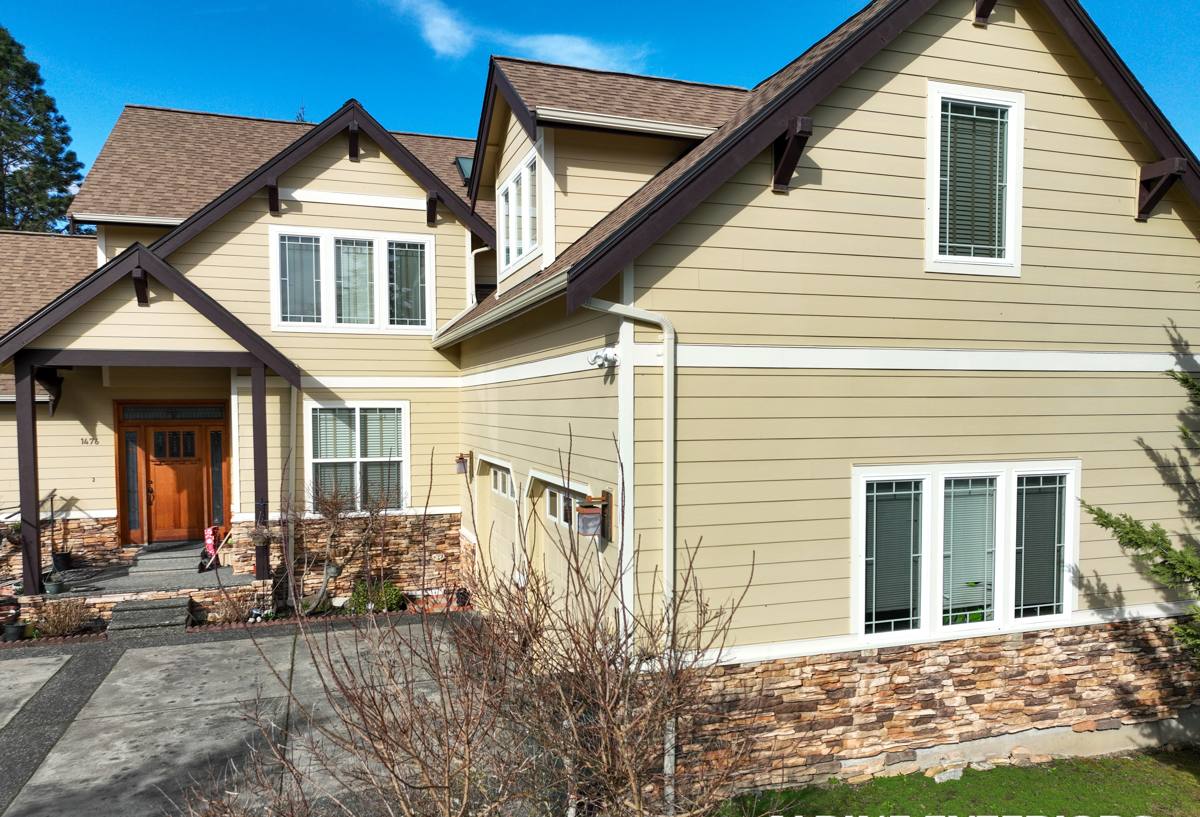
Why Belleair Bluffs Roofs Take a Different Kind of Beating
Pinellas County roofs deal with a combination of stresses that inland homes simply don't see as often. In Belleair Bluffs, that combination shows up in a few specific ways:
- Hurricane-force wind gusts that get under shingle edges and ridge caps, working them loose even when the storm itself passes without a direct hit.
- Wind-driven rain that doesn't fall straight down — it's pushed sideways under flashing, around vents, and into any gap that a calm-weather rain would never reach.
- Salt air off the nearby Gulf and Intracoastal, which accelerates corrosion on exposed fasteners, flashing, and metal roof edges faster than it would a few counties inland.
- Intense, near year-round UV exposure, which dries out shingle mat and sealant strips over time, making them more brittle and more likely to crack or tear when the wind does pick up.
None of these on their own destroys a roof overnight. The problem is that they compound — a roof that's already UV-brittle and slightly corroded at the fasteners is far more vulnerable the next time a named storm or even a strong summer squall rolls through.
What Actually Counts as Storm Damage
Damage you can see from the ground
Missing or torn shingles, visibly lifted ridge caps, dented or dislodged gutters, debris punctures, and detached soffit or fascia panels are the obvious signs. If you can see daylight through a soffit vent or find shingle pieces in the yard after a storm, that's a clear signal to get the roof looked at.
Damage that hides until it's expensive
The more costly issues are usually the ones you can't see without getting on the roof or into the attic: cracked or lifted flashing around chimneys and pipe boots, granule loss that's stripped a shingle's UV protection, soft or damp decking under an intact-looking shingle field, and hail bruising that hasn't cracked the surface yet but has broken the shingle's internal mat. This is exactly why a proper storm inspection isn't a five-minute walk-around — it involves checking flashing seams, valleys, penetrations, and the attic side of the deck, not just scanning the shingle field with binoculars.
Signs It's Time for a Storm Damage Inspection
- A ceiling stain that appeared or grew after a storm, even a small one
- Shingle granules collecting in gutters or at downspout outlets
- Visibly curled, cracked, or missing shingles anywhere on the roof
- Flashing that looks bent, lifted, or separated from the roof surface around chimneys, skylights, or walls
- A musty smell in the attic or higher humidity than usual up there
- Gutters, downspouts, or vent covers that are dented, torn loose, or missing entirely
- Any hail event in the area, even if the roof "looks fine" afterward
How Our Repair Process Works
We keep the process straightforward because storm damage is stressful enough without a confusing scope of work.
1. Inspection and documentation
We walk the roof, check the attic where accessible, and photograph everything relevant — damaged areas, flashing condition, and anything that points to a pre-existing issue versus fresh storm damage. This documentation matters if you're filing an insurance claim.
2. Emergency mitigation, if needed
If the roof has active leaks or exposed decking, we prioritize tarping or temporary covering to stop water intrusion before we scope the permanent repair. Waiting on a full repair plan while water keeps getting into the attic almost always turns a repair into a much bigger job.
3. A written repair plan
You get a clear explanation of what's damaged, what needs to be replaced versus what can be repaired in place, and what materials we're using. No vague line items.
4. The repair itself
This can mean anything from replacing a section of shingles and re-sealing flashing to a full section tear-off and rebuild of the deck underneath, depending on how far water got before the damage was caught.
5. Cleanup and final check
We clear debris, check gutters and downspouts are draining correctly, and do a final walk-through so you know exactly what was done.
Repair or Replace? What Actually Drives That Decision
Homeowners often assume any storm damage means a full new roof. Just as often, a targeted repair is the honest answer — and sometimes a repair on an already-aging roof is a short-term fix that sets up a replacement conversation a year or two down the line. Here's how we think through it:
| Factor | Repair Is Usually Right | Replacement Is Usually Right |
|---|---|---|
| Extent of damage | Isolated to one section or a handful of shingles | Widespread across multiple roof planes |
| Roof age | Under 10-12 years, sound underlayment | Near or past the manufacturer's expected service life |
| Decking condition | Dry, solid decking under the damage | Soft, delaminated, or water-stained decking found in multiple spots |
| Shingle condition elsewhere | Rest of the roof still has good granule coverage and flexibility | Granule loss and brittleness showing across the whole roof, not just the damaged area |
| Insurance scope | Adjuster's scope matches a repair-level claim | Adjuster's scope or damage pattern supports full replacement |
We'll tell you honestly which category your roof falls into. A repair that's cheaper today but ignores a roof that's already near the end of its service life isn't doing you any favors.
Insurance Claims and Storm Repairs
We're not a public adjuster and we don't handle your claim for you, but we do provide the documentation that makes a claim easier to support: dated photos, a written description of the damage, and a repair scope that lines up with what we actually find on the roof. If your insurance company sends their own adjuster, we're glad to walk the roof with them and point out anything they might not catch from a ground-level or drone inspection. Getting the scope right the first time saves you the back-and-forth of a second visit.
Materials and Standards We Use for This Climate
Given the wind and UV exposure Belleair Bluffs roofs deal with, we don't cut corners on the parts of the system homeowners never see:
- Shingles rated for high-wind installation, installed with the fastener pattern and nailing zone the manufacturer specifies for coastal wind exposure — not the minimum pattern that happens to be faster to install.
- Synthetic or self-adhering underlayment in valleys and eave areas most exposed to wind-driven rain, giving the deck a second line of defense if wind ever gets under the shingle surface.
- Corrosion-resistant flashing and fasteners, since standard-grade metal degrades faster this close to salt air.
- Proper attic ventilation checked and corrected where needed — poor ventilation bakes shingles from underneath and shortens their life regardless of how good the shingle itself is.
We're candid about trade-offs when they exist. A lower-cost repair option is sometimes the right call for a roof nearing replacement age; we'll say so rather than upselling material you don't need yet.
Why a Crew That Already Works Belleair Bluffs Matters
Roofing repairs in Pinellas County have to meet Florida Building Code requirements for wind-borne debris regions, and local permitting steps can vary depending on the scope of work. A crew that already pulls permits and works regularly in this part of the county isn't learning that process on your roof — they know what inspectors here look for and what documentation keeps a permit moving instead of stalling. Just as important after a real storm event: local crews aren't stuck driving in from another market when every roofer in the state suddenly has more calls than they can handle. Being based in the area means a faster response when your roof actually has water getting in.
Get a Free, No-Pressure Estimate
If your roof took a hit in a recent storm — or you're just not sure whether that missing shingle is a five-minute fix or a sign of something bigger — we're happy to take a look. Fill out the form below for a free storm damage roof inspection and a straight answer about what your Belleair Bluffs home actually needs.