 Clearwater Siding
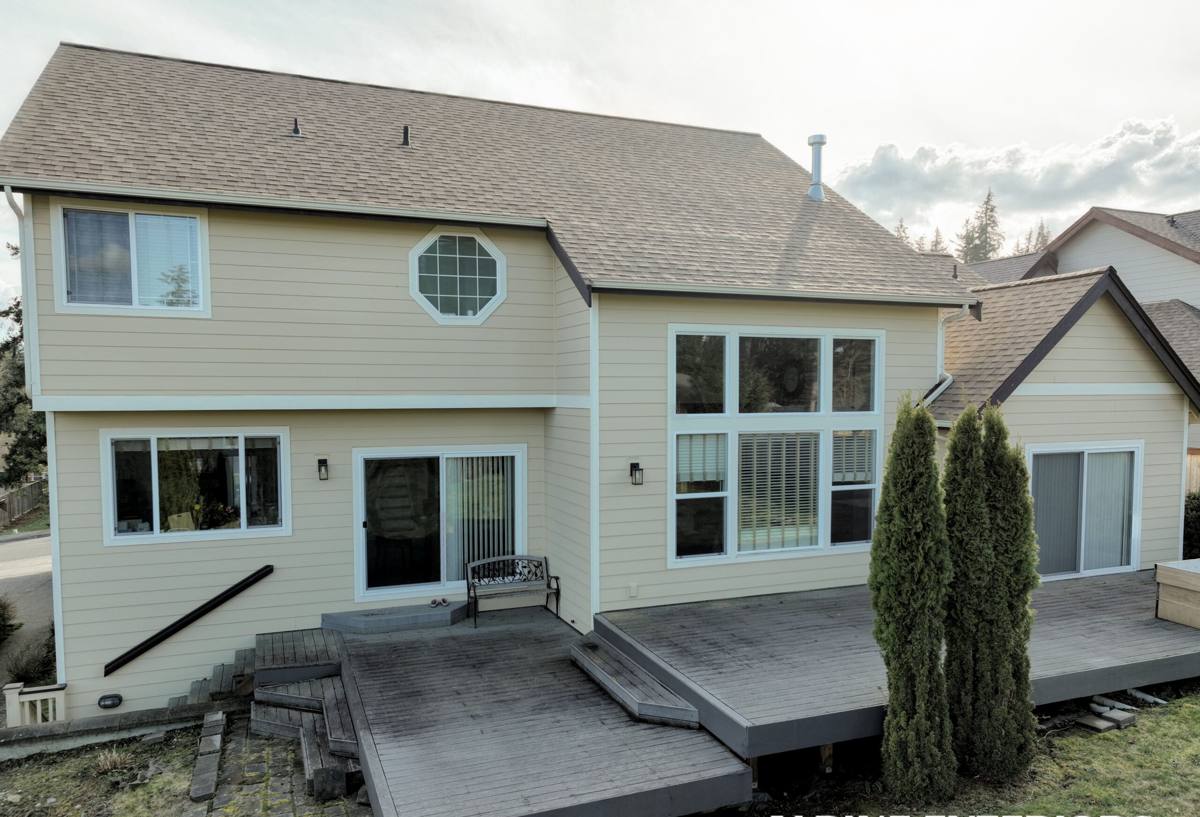
 Deck Repair Built for Sunset Point's Coastal Conditions
Sunset Point sits close enough to the water that every deck in the neighborhood is doing double duty: holding up your family's cookouts and morning coffee, and absorbing everything the Gulf Coast throws at it. That's a harder job than it sounds. Between the intense year-round UV, the salt-laden air drifting in off the water, sudden wind-driven rain, and the occasional hurricane-force gust, a deck here ages differently than the same structure would fifty miles inland. We repair decks in this part of Clearwater regularly, and the damage patterns we see are consistent enough that we can usually tell you what's wrong before we even pull up a board.
This page is about deck repair specifically — not full replacement, not new builds. If your deck is structurally sound but showing its age, or if a few problem areas are dragging down an otherwise good structure, repair is almost always the smarter, more affordable move. The trick is knowing which is which, and that's where a lot of homeowners get steered wrong.
Why Pinellas County Decks Wear Out Faster
Every material used in deck construction has a lifespan rating that assumes "normal" exposure. Clearwater doesn't offer normal exposure. A few specific stressors are worth understanding because they explain almost every repair call we get in this area:
- UV degradation: Florida's sun breaks down the lignin in wood fibers and the UV stabilizers in composite decking far faster than manufacturers' national averages assume. Graying, splintering, and surface chalking show up years ahead of schedule.
- Wind-driven rain: Rain here rarely falls straight down. It gets pushed sideways under railings, into ledger board connections, and behind fascia — areas that were never designed to shed water from that angle.
- Salt air corrosion: Even a mile or two from the water, salt in the air accelerates corrosion on fasteners, joist hangers, and post brackets. Once a fastener starts rusting, it swells, splits the surrounding wood, and loses its grip.
- Heat cycling: Afternoon thunderstorms hitting a deck surface that's been baking at 120°F+ cause rapid expansion and contraction, which loosens screws, opens up butt joints, and stresses composite boards at their fastener points.
- Humidity and ground moisture: Pinellas County's water table sits high, and post bases set in or near grade stay damp longer here than in drier climates, inviting rot from the bottom up.
None of this means a deck can't last in Sunset Point — it means it needs to be built and maintained with these specific stresses in mind, and repairs need to actually address the cause, not just patch the symptom.
Signs Your Deck Needs Repair, Not Just a Cleaning
Most homeowners can spot a deck that looks tired. Fewer can tell the difference between cosmetic wear and a structural problem. Here's what we look for, and what should get you to call sooner rather than later:
- Soft, spongy, or spring-y spots underfoot — almost always rot in the joist or decking below
- Boards that have cupped, crowned, or pulled away from their fasteners
- Rust streaks running down from screw heads or bracket hardware
- Any movement or bounce in the railing when you lean on it
- Gaps opening up where the deck ledger meets the house
- Stair stringers that flex or feel uneven step to step
- Visible daylight or water staining under the deck where boards meet joists
- Popped or backed-out fasteners across multiple boards
A deck that's simply faded or has a few surface splinters is a maintenance job. A deck with any of the issues above is a structural repair, and putting it off doesn't make it cheaper — rot and corrosion spread.
What a Correct Deck Repair Actually Involves
It Starts Underneath, Not on the Surface
The visible decking is the last thing we look at, not the first. A repair that only replaces top boards without checking the framing underneath is a repair that fails again within a couple of seasons. We check the ledger board attachment, joist condition, post bases, and any hardware for corrosion or rot before we touch a single deck board.
Ledger Board and Structural Connections
The ledger board — where the deck attaches to the house — is the single most important structural connection on most decks, and it's also the one most exposed to wind-driven rain running down the siding. We check for proper flashing, verify the attachment is still rated for the load, and correct anything that's been improperly waterproofed, which is a common shortcut on older or lower-cost builds.
Fasteners and Hardware
In a salt-air environment, hardware matters more than most homeowners realize. Mismatched or under-rated fasteners are one of the most common causes of premature deck failure we find in this area. Repairs get corrosion-resistant, coastal-rated fasteners and hangers — not whatever matches the existing hardware if that hardware is part of the problem.
Board Replacement
Whether we're replacing individual boards or resurfacing a section, new boards get properly spaced for drainage and expansion, and fastened in a pattern that won't concentrate stress on a few points. Tight, un-gapped board replacement is a shortcut that shows up as cupping and popped screws within a year or two.
Railings and Stairs
Railings and stair stringers take direct wind load and get more daily wear than the deck surface itself. We treat railing and stair repair as structural work, not trim work — a loose railing is a safety issue, not a cosmetic one.
Wood vs. Composite: Repair Considerations
What your deck is built from changes how it fails and how it should be repaired. Here's how the two most common materials compare for repair purposes in a coastal Clearwater climate:
| Factor | Wood (pressure-treated / hardwood) | Composite |
|---|---|---|
| Common failure mode locally | Rot at fastener points and ground contact; UV graying and splintering | Fading, surface flaking on older generations, and fastener pull-through at high heat |
| Repairability | Individual boards easily replaced; framing repairs straightforward | Board replacement generally easy; matching color/style on older or discontinued lines can be limited |
| Maintenance after repair | Needs periodic sealing/staining to protect against UV and moisture | Lower surface maintenance, but hidden framing below still needs the same moisture protection |
| Structural framing | Framing is wood either way and needs the same rot/corrosion inspection | Same — composite decking is almost always installed over wood framing |
| Cost to repair | Generally lower material cost per board | Material cost typically higher, especially for capped composite |
One point worth being direct about: regardless of what the deck surface is made of, the framing underneath is almost always wood, and it degrades the same way whether the boards on top are cedar or composite. A lot of "composite deck failures" we get called out for are actually framing failures that had nothing to do with the decking material itself.
What Drives the Cost of a Deck Repair
Deck repair pricing varies a lot based on what's actually wrong, which is why we don't quote a number without seeing the deck. In general terms, these are the factors that move the price up or down:
| Factor | Impact on Cost |
|---|---|
| Scope: cosmetic vs. structural | Structural repairs (framing, ledger, posts) cost more than surface board swaps |
| Extent of rot or corrosion | Isolated spots are cheaper than damage that's spread through multiple joists or connections |
| Deck height and access | Second-story or hard-to-access decks take longer to work under |
| Material match | Matching an existing composite or specialty wood species can add cost if the original product is discontinued |
| Railing and stair involvement | Code-compliant railing and stair repair adds labor beyond the deck surface itself |
| Permit requirements | Structural repairs typically require permitting, which adds a modest fee and inspection time |
As a broad range, small, isolated board and fastener repairs tend to fall at the low end, while ledger, framing, or multi-post repairs run considerably higher. We'll always give you the honest breakdown of what's cosmetic and what's structural before any work starts, so you're not paying for guesswork.
Our Deck Repair Process
- On-site inspection: We check the deck surface, framing, ledger connection, posts, and hardware — not just what's visible from the top.
- Honest scope and estimate: You get a clear breakdown of what needs repair now, what to watch, and what's simply cosmetic. No inflated scope, no upselling into a full rebuild you don't need.
- Permit handling, when required: Structural deck repairs in Clearwater and unincorporated Pinellas County typically require a permit. We handle that paperwork so you don't have to navigate it.
- Repair work: Framing and hardware corrected first, then board and railing work, using coastal-rated fasteners and materials suited to this climate.
- Final walkthrough: We check for level, secure railings, proper drainage gaps, and clean fastener lines before we call the job done.
Permits and Codes in Clearwater
Deck repair work that touches structural elements — framing, ledger attachment, footings, or railings — generally falls under Pinellas County or City of Clearwater building code and requires a permit and inspection. This isn't paperwork for its own sake: it's what confirms the ledger connection can actually hold the load and the railing meets height and spacing requirements for a home this close to the coast. Skipping permitted structural work is a common shortcut with unpermitted or DIY repairs, and it's one of the first things that surfaces as a problem during a home sale inspection or insurance review. We pull the permits structural repairs require as a standard part of the job.
Why a Crew That Works Sunset Point Regularly Makes a Difference
Deck repair isn't a one-size-fits-all trade. A crew that mostly works inland, drier climates will often spec fasteners, sealants, and framing details that are technically correct on paper but undersized for what salt air and wind-driven rain do to a structure here over a few seasons. Working this specific stretch of Pinellas County regularly means we already know which failure points show up first on a Sunset Point deck, what hardware actually holds up, and how local permitting works — so there's less guesswork and fewer surprises once we're under the deck.
It also means accountability. A local crew is still around next season if a repair needs a follow-up look, which matters more with deck work than almost any other exterior project, since so much of what fails is hidden below the surface until it isn't.
After the Repair: Keeping It That Way
A good repair buys you years, not decades, if it's ignored afterward. A few habits go a long way in this climate:
- Rinse salt residue and debris off the deck surface periodically, especially after storms
- Reseal or restain wood decking on the schedule appropriate to the product — UV exposure here shortens the interval compared to national averages
- Keep gutters and downspouts directed away from the deck and posts to limit standing moisture at the base
- Do a quick visual check of railings and stair connections after any major storm
- Address a soft board or loose fastener as soon as you notice it, rather than waiting for it to spread
If your Sunset Point deck has a soft spot, a wobbly railing, or you just want an honest read on what shape it's really in, we're glad to take a look. Use the form below to request a free, no-pressure estimate.