 Clearwater Siding
 Sunset Point Roofs Work Harder Than Most
Sunset Point sits close enough to the water that its homes catch the full range of what Pinellas County weather can throw at a roof. That's not a coastal-exposure problem unique to waterfront lots — it's a Clearwater-wide reality that gets more pronounced the closer you sit to the bay. Hurricane-force gusts lift and stress shingles and fasteners in ways that inland storms don't. Between named storms, the same roofs sit under some of the most intense year-round UV in the country, which dries out asphalt and cooks sealant strips long before a manufacturer's warranty period ends. Add wind-driven rain that finds every gap in flashing and underlayment, plus a steady dose of salt air that accelerates corrosion on nails, vents, and metal edging, and you get a roof that ages faster here than the same materials would fifty miles inland.
None of that means Sunset Point homeowners need to replace roofs constantly. It means storm damage repair has to account for all four stressors at once — wind, UV, water, and salt — rather than just patching the visible hole and moving on.
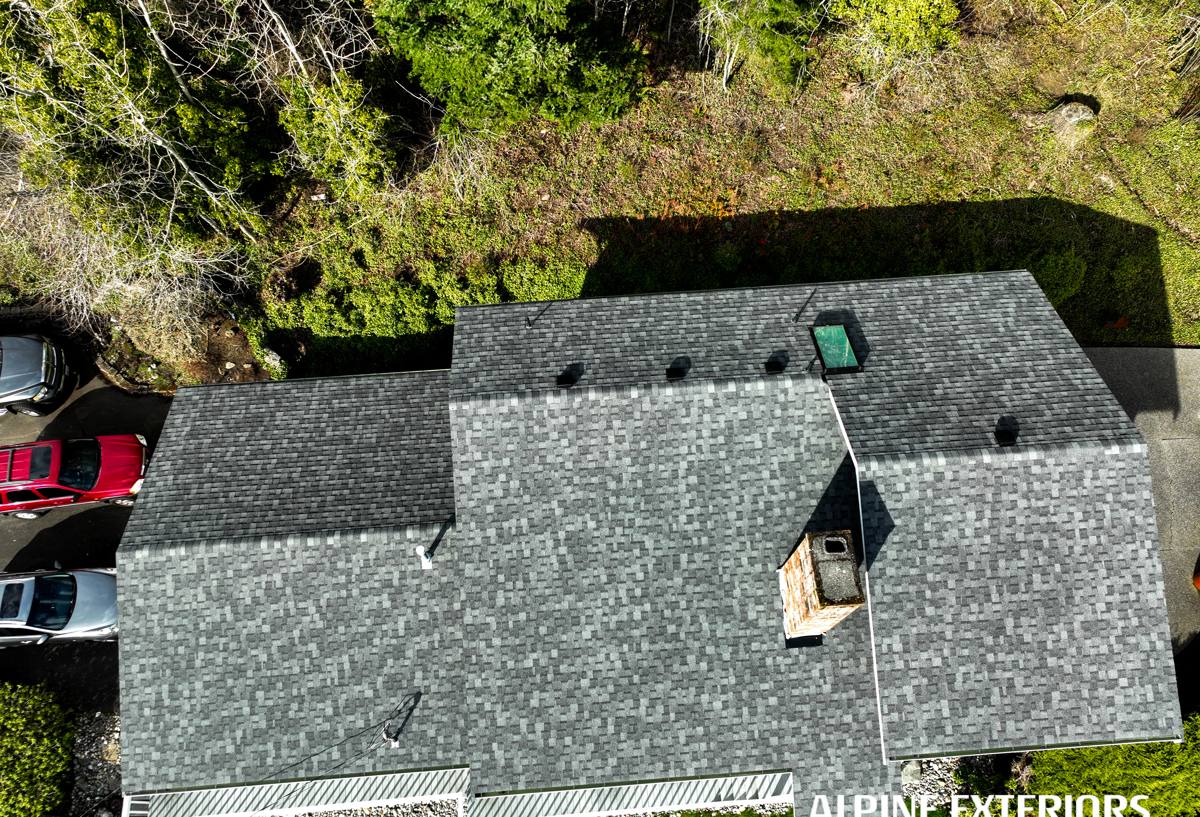
Recognizing Storm Damage Before It Becomes a Bigger Problem
Storm damage isn't always dramatic. A roof can look intact from the ground after a squall or a tropical system passes through and still have real problems working their way inward. The following are worth checking after any significant wind or rain event:
- Shingles that look lifted, curled, or slightly out of line compared to the surrounding field
- Granules collecting in gutters or at the base of downspouts
- Soft spots, staining, or discoloration on interior ceilings, especially near exterior walls
- Visible gaps or lifted edges around vent boots, chimneys, and skylight flashing
- Missing or cracked ridge cap pieces along the roof's peak
- Debris punctures or dents from tree limbs, patio furniture, or wind-borne objects
- Exposed or torn underlayment where shingles have blown off entirely
Any one of these on its own might not mean a leak today. Together, or left unaddressed through a second storm, they usually do.
What an Honest Storm Damage Repair Actually Involves
A Real Inspection, Not a Drive-By Estimate
A proper storm damage assessment means getting on the roof, not just looking at it from the driveway. That includes checking the decking underneath damaged shingles for soft or delaminated wood, tracing water stains back to their actual entry point (which is often several feet from where the stain shows up inside), and inspecting flashing around every penetration — chimneys, plumbing vents, skylights — since those are the spots that fail first and get blamed last.
Matching Materials, Not Just Covering Holes
Repairing storm damage well means using shingles and components that match the existing roof in type, weight, and where possible, color and age-appropriate wear. A patch that doesn't match seals the leak but leaves a roof with mismatched sections that age differently and can telegraph future problems.
Underlayment and Flashing Get the Same Attention as Shingles
Wind-driven rain in this area doesn't need a large opening to get underneath a roof system — it just needs a gap. Any repair that replaces shingles without checking the underlayment and flashing beneath them is only solving half the problem. We replace compromised underlayment and re-seal or replace flashing as part of the repair, not as an upsell after the fact.
Temporary Protection vs. Permanent Repair
After a storm, especially one that causes visible damage across a whole street, the priority is stopping active water intrusion first and doing the permanent fix once materials and scheduling allow. It helps to understand the difference between the two so a temporary measure doesn't get mistaken for a finished job.
| Factor | Temporary Protection | Permanent Repair |
|---|---|---|
| Purpose | Stop active leaks and further water intrusion | Restore the roof to its proper, long-term condition |
| Typical materials | Tarping, temporary flashing seal, emergency patching | Matched shingles, new underlayment, properly sealed flashing |
| Timeframe | Same-day to within a few days of the storm | Scheduled once materials are on hand and weather allows proper installation |
| Expected lifespan | Days to a few weeks | Matches the remaining life of the surrounding roof |
| When it's appropriate | Active leak, storm still in the forecast, or repair materials not yet available | Whenever conditions allow a full, correct repair |
We don't treat a tarp as a finished job, and we don't recommend paying full repair pricing for work that's really just a stopgap. If a temporary measure is what's needed first, it should be priced and explained as exactly that.
How Our Process Works
1. Prompt Inspection
We get out to look at the roof quickly after a storm, especially if there's an active leak. Every finding — from lifted shingles to soft decking — gets documented with photos.
2. Clear, Written Scope
Before any work starts, the homeowner gets a written explanation of what's damaged, what needs to be repaired versus replaced, and a straightforward cost range. No vague line items.
3. Repair Done Right the First Time
We replace what needs replacing — shingles, underlayment, flashing, ridge components — using materials matched to the existing roof, installed to manufacturer specifications so warranties stay intact.
4. Final Walkthrough
Once the repair is done, we walk the homeowner through what was fixed and flag anything else on the roof worth keeping an eye on, even if it wasn't part of this repair.
Working With Insurance on Storm Damage
Many storm damage repairs in Pinellas County involve a homeowner's insurance claim, particularly after named storms or documented hail and wind events. We provide the kind of documentation adjusters actually need — dated photos, a written scope of damage, and an itemized estimate — so the claim reflects the real condition of the roof rather than a guess. We're not a public adjuster and don't represent the insurance company or negotiate the claim on the homeowner's behalf, but we make sure the roofing side of the paperwork is accurate and complete.
Materials That Hold Up to This Climate
Not every repair material performs the same way under Florida sun, salt air, and wind. When we're repairing rather than replacing a full roof, the goal is matching the existing system while making sensible upgrades where it counts — corrosion-resistant fasteners instead of standard ones, self-adhering underlayment at vulnerable points like valleys and penetrations, and properly rated ridge and starter components rather than whatever's cheapest.
| Component | Standard Choice | Storm-Resistant Upgrade We Use Where Appropriate |
|---|---|---|
| Fasteners | Standard galvanized nails | Corrosion-resistant coated or stainless fasteners near salt-exposed areas |
| Underlayment | Standard felt | Self-adhering synthetic underlayment at valleys, eaves, and penetrations |
| Flashing seal | Basic sealant | High-grade, UV-stable sealant rated for sustained sun exposure |
| Ridge cap | Standard cap shingles | Wind-rated ridge cap matched to the roof's wind exposure rating |
These aren't upsells we push on every job — they're applied where the existing roof and its exposure actually call for them, and we'll explain the reasoning rather than just adding line items.
Why It Matters to Hire a Crew That Already Works Sunset Point
A roofing crew that regularly works this part of Clearwater already understands how homes here are built, what roof pitches and material combinations are common, and how quickly a storm can move through from the bay. That familiarity shows up in small but meaningful ways — knowing which flashing details tend to fail first on homes of a certain age, recognizing which shingle profiles are common in the area for matching purposes, and being able to respond quickly when a whole neighborhood is dealing with damage at the same time. It also means the crew showing up at your door isn't unfamiliar with the area's permitting and inspection expectations, which keeps the repair process moving instead of stalling on paperwork.
After the Repair: Keeping Ahead of the Next Storm
A repaired roof still needs regular attention in this climate. A twice-a-year visual check — before and after hurricane season is a reasonable rhythm — catches lifted shingles, clogged gutters, or failing sealant before they turn into another storm-driven leak. Keeping gutters clear, trimming back branches that hang over the roofline, and having any new soft spots checked promptly are simple habits that extend the life of both the original roof and the repair.
If you're dealing with storm damage on a Sunset Point home, or just want a roof checked out after a rough round of weather, we're happy to take a look and give you a straight answer about what it needs. Request a free, no-pressure estimate using the form below.