 Clearwater Siding
 Roofing on a Barrier Island Is Its Own Job
Clearwater Beach sits right on the Gulf, and that location changes what a roof has to survive. A shingle roof a few miles inland deals with sun and the occasional storm. A shingle roof on the beach deals with that same sun intensified by reflected glare off the water, salt-laden air that works on fasteners and metal flashing year-round, and wind loads that spike hard during Gulf storms and hurricane season. None of that means asphalt shingles are the wrong choice for beach property — they're not — but it does mean the installation has to be done with the coastal exposure in mind from the first nail.
This page covers what we look at, what we install, and how we work specifically for homes in the Clearwater Beach area. If you're comparing this to a general roofing page, the difference is exposure: everything below is filtered through what salt air, wind, and UV actually do to a roof sitting this close to open water.
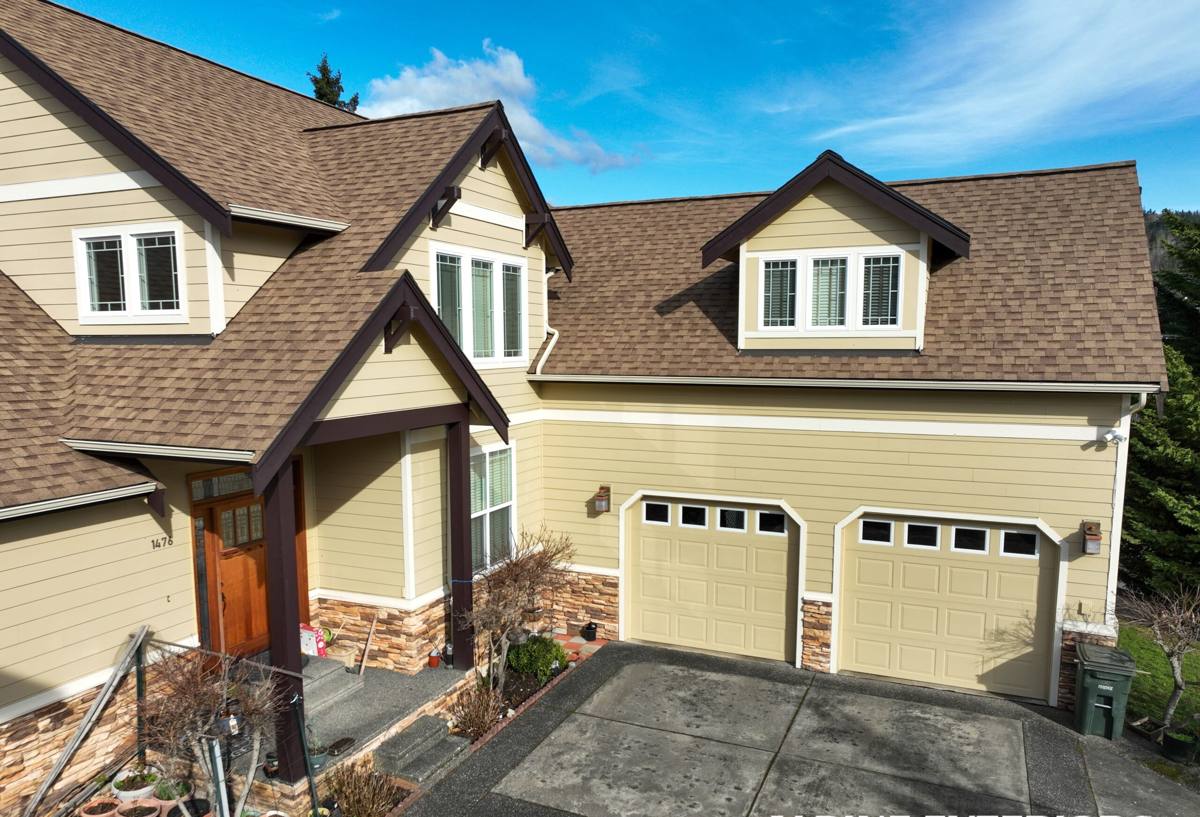
What Salt Air, Wind, and UV Actually Do to a Roof
Salt Air
Airborne salt accelerates corrosion on anything metal — nail heads, drip edge, flashing, vent stacks, and fastener coatings. A roof built with standard-grade metal components inland can hold up fine there and still corrode noticeably faster a few blocks from the water. This is one of the biggest reasons material choice matters more here than in a lot of other parts of Pinellas County.
Wind
Clearwater Beach homes need to be built to withstand hurricane-force gusts, not just steady summer breeze. Wind doesn't just tear shingles off in a storm — sustained coastal wind, even on an ordinary day, works at shingle edges and seals over years, and a roof with weak wind resistance shows that wear well before its rated lifespan is up.
UV Exposure
Florida sun is intense everywhere in the state, but a roof this close to open water gets extra reflected UV off the Gulf in addition to direct overhead sun. That accelerates the breakdown of asphalt oils in the shingle over time, which is what eventually leads to granule loss, brittleness, and cracking.
Wind-Driven Rain
Rain that comes in sideways during a coastal storm finds every weak point in a roof system — lifted shingle tabs, undersized underlayment laps, poorly sealed penetrations. Standard installation practices that work fine in calmer conditions aren't always enough here.
What a Correct Installation Looks Like on Clearwater Beach
An asphalt shingle roof built for this environment isn't just "the same roof, installed carefully." There are specific product and technique choices that matter more here than they would a few miles inland.
- High-wind-rated shingles — products rated for the wind speeds this area actually sees, not the manufacturer's base-line rating
- Enhanced nailing pattern — more fasteners per shingle than the minimum code allows in calmer regions, placed correctly in the nailing zone
- Corrosion-resistant fasteners and flashing — chosen specifically to resist salt-air corrosion rather than standard-grade hardware
- Sealed, storm-rated underlayment — a synthetic or self-adhering underlayment that acts as the real waterproof layer if wind ever lifts a shingle
- Properly detailed flashing at every valley, wall intersection, and penetration — this is where most wind-driven-rain leaks actually start
- Balanced ventilation — enough intake and exhaust airflow to keep attic temperatures and moisture from cooking the shingles or underlayment from underneath
Any one of these done wrong doesn't usually cause an immediate problem — it shows up two, five, or ten years later as a leak, a premature failure, or a roof that doesn't perform the way it should in the next storm.
Signs Your Clearwater Beach Roof Needs a Look
Because coastal wear is gradual, a lot of homeowners don't realize their roof needs attention until there's an active leak. Some of what we check for on an inspection:
- Granule loss showing up in gutters or at downspouts
- Shingle edges that are curling, cupping, or look brittle
- Any shingles that appear lifted, cracked, or missing after a windy week
- Rust staining around vent stacks, flashing, or fasteners
- Soft spots, staining, or discoloration on interior ceilings near exterior walls
- Visible daylight or gaps around chimneys, skylights, or roof-wall intersections
- Moss, algae streaking, or standing debris in valleys, which can trap moisture against the shingle
None of these individually means the roof is failing — but they're all things worth a professional look rather than waiting until there's water inside the house.
Choosing the Right Shingle for a Beach Property
Not every asphalt shingle product is built the same, and for a Clearwater Beach roof, wind rating and coastal durability should carry more weight than they might for an inland home.
| Shingle Type | Typical Wind Rating | Coastal Considerations |
|---|---|---|
| Standard 3-tab | Lower wind rating | Lighter weight, lower upfront cost, generally not our recommendation for direct beach exposure |
| Architectural (laminated) | Mid-to-high wind rating | Heavier, more layers, better wind and impact performance; the common choice for this area |
| High-wind / impact-rated architectural | Highest available wind rating | Built specifically for hurricane-prone coastal regions; higher upfront cost, longest expected service life here |
We'll walk through the honest trade-offs for your specific roof — pitch, sun exposure, budget — rather than automatically pushing the most expensive option. But for a home this close to the Gulf, we generally steer homeowners away from base-grade 3-tab shingles, not because the product is bad, but because it isn't built for the wind and salt exposure this location sees.
Our Process for a Clearwater Beach Roofing Project
1. Inspection and Honest Assessment
We start by actually getting on the roof, not just looking from the ground. We check the shingle field, flashing, ventilation, and any soft or damaged decking underneath. You get a straight answer on whether you need a full replacement, a repair, or nothing at all yet.
2. Product and Scope Recommendation
Based on what we find, we recommend a shingle product and installation approach matched to your specific exposure — a home with more direct wind and salt exposure gets a different conversation than one set back with some wind buffering.
3. Permitting
Roof replacement in Pinellas County requires a permit and inspection. We handle that paperwork so you're not left figuring out county requirements on your own.
4. Tear-Off and Deck Inspection
We remove the old roofing down to the deck and inspect the sheathing underneath. Coastal moisture and past leaks sometimes mean sections of decking need to be replaced before new roofing goes on — we won't install over a compromised deck.
5. Installation
Underlayment, flashing, fasteners, and shingles go in following the specifications above — not the bare minimum, but what actually holds up to this location's wind and salt exposure.
6. Final Walkthrough and Cleanup
We walk the finished roof with you, confirm ventilation and flashing details, and make sure the property is cleaned up — magnetized sweep for nails included — before we consider the job done.
Wind Ratings, Permits, and Insurance
A few practical things that matter specifically for Clearwater Beach homeowners:
- Permits are required for roof replacement in Pinellas County, and inspections confirm the work meets current wind-resistance code — this isn't optional paperwork, it protects you if there's ever a warranty or insurance question later.
- Wind mitigation matters for insurance. A roof installed to current high-wind standards, with documentation, can affect windstorm insurance pricing. We can provide the documentation your insurer typically asks for.
- Manufacturer warranties often have wind-speed and installation requirements. A roof installed with the wrong nailing pattern or fastener count can void portions of that warranty even if the shingle itself is a good product — this is one of the more common reasons we recommend proper installation over the cheapest bid.
Why It Matters That a Crew Already Works Clearwater Beach
A contractor who works this specific area regularly already knows what tends to go wrong here — where salt corrosion shows up first, what wind exposure a given lot orientation actually sees, what Pinellas County inspectors look for. That's not something you can fully substitute with a general roofing checklist. It affects material recommendations, flashing details, and where we tell a homeowner to spend money versus where it's not necessary.
It also means we're not guessing at local permitting requirements or treating your project like the first coastal roof we've ever done. For a home exposed to hurricane-force wind, salt air, and constant UV, that local experience is part of what makes the installation hold up.
After Installation: What Keeps a Beach Roof Performing
A correctly installed shingle roof still benefits from basic upkeep in this environment:
- Keep gutters and valleys clear so water doesn't pool against shingles or flashing
- Have the roof looked at after any major storm, even if nothing looks obviously wrong
- Rinse off heavy salt buildup or organic debris periodically rather than letting it sit
- Address a small leak or lifted shingle promptly — on this coastline, small problems don't stay small for long
If you're weighing a repair, a full replacement, or just want an honest read on where your current roof stands, we're happy to take a look. The estimate is free, there's no pressure, and you'll get a straight answer about what your Clearwater Beach home actually needs — just fill out the form below to get started.