 Clearwater Siding
 Belleair Bluffs Homes Face a Tougher Climate Than Most Siding Is Built For
Belleair Bluffs sits on elevated ground above Clearwater Harbor, which gives homes here beautiful water views and near-constant exposure to salt-laden air moving off the Intracoastal. That's a mixed blessing for exterior materials. Add in Pinellas County's hurricane-force wind events, intense year-round UV, and the kind of sideways, wind-driven rain that Gulf Coast storms are known for, and you have a climate that actively works against cheap or poorly installed siding from the day it goes up.
Most siding failures we see on Belleair Bluffs homes aren't really about the product picking a fight with the weather. They're about a mismatch between the material, the installation, and the environment it was asked to survive. Vinyl softens and warps under sustained UV and heat. Wood-based products absorb moisture at cut edges and swell. Poorly flashed seams let wind-driven rain behind the cladding, where it does damage no one sees until there's a soft spot or a mold smell. A siding installation done right for this specific location has to account for all of it at once, not just look good on installation day.
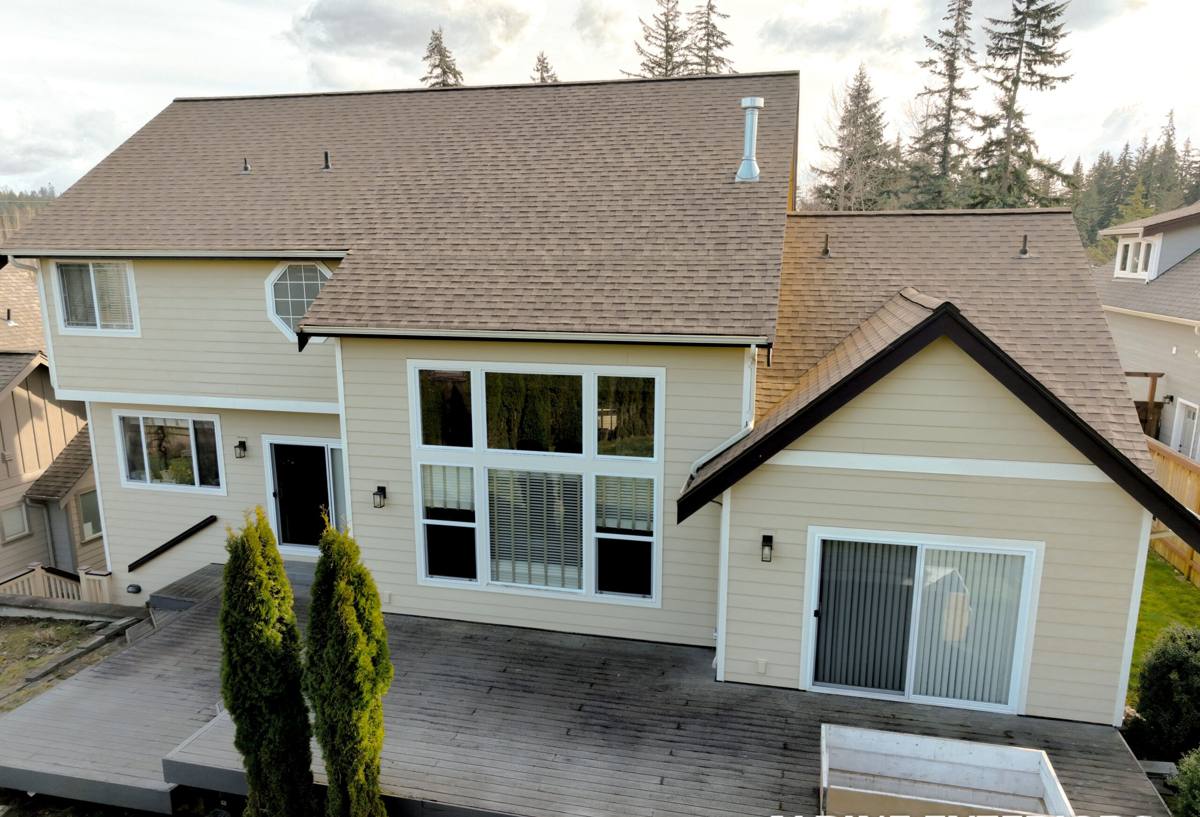
What "Correct" Siding Installation Actually Means Here
Siding installation is often talked about like it's a cosmetic upgrade — pick a color, nail up some boards, done. In a coastal Pinellas County environment, that mindset is how homes end up with premature rot, buckling, and warranty claims that get denied because the install didn't meet manufacturer spec. Correct installation is a system, not a surface treatment.
The Building Envelope Comes First
Before any siding goes on, the wall assembly underneath has to be right: a compliant weather-resistant barrier, correctly lapped and taped seams, and flashing at every penetration — windows, doors, hose bibs, light fixtures, and dryer vents. Skipping or rushing this step is the single biggest reason siding fails early in coastal climates, because it's the layer that actually keeps wind-driven rain out of the wall cavity.
Fastening for Wind, Not Just Looks
Pinellas County's wind exposure means fastener type, spacing, and placement aren't optional details — they're what determines whether siding stays attached during a tropical storm or hurricane-force gust event. Manufacturer-specified nailing patterns exist for a reason, and cutting corners here is invisible until the wind actually tests it.
Gaps, Clearances, and Movement
Fiber cement siding needs proper gapping at butt joints and clearance from rooflines, decks, and grade so it can handle thermal movement and shed water instead of trapping it. Caulking the wrong joints — or caulking joints that should be left to breathe — is a common shortcut that causes problems years down the road.
Why We Install Only James Hardie Fiber Cement Siding
We don't install vinyl siding, LP SmartSide, Cemplank, Allura, or primed spruce or cedar. That's a deliberate standard, not a limitation of what we're capable of installing. Each of those products has legitimate uses in the right climate — but in a coastal, high-UV, hurricane-exposed environment like Belleair Bluffs, they each carry trade-offs we're not willing to put our name behind.
Vinyl siding is affordable and low-maintenance in mild climates, but it softens and can deform under sustained heat and direct sun, and it's not a structural or fire-rated product. Engineered wood products like LP SmartSide perform reasonably in drier regions, but wood-strand cores are inherently more sensitive to sustained moisture exposure than fiber cement, and salt air plus Gulf humidity is a demanding combination for any wood-based substrate. Primed spruce and cedar require far more diligent, frequent maintenance to keep ahead of moisture intrusion than most homeowners realistically keep up with.
James Hardie fiber cement is non-combustible, dimensionally stable, and engineered specifically for high-moisture, high-UV climates through its HZ product lines — HZ5 in particular is formulated for Gulf Coast and Southeast humidity and moisture cycling. The ColorPlus factory-applied finish is baked on under controlled conditions rather than sprayed on-site, which gives it more consistent UV and fade resistance than field-applied paint, and it carries a real transferable limited warranty when installed to Hardie's spec. That combination is why it's the only product we put on homes.
Comparing Siding Options for a Belleair Bluffs Home
| Factor | James Hardie Fiber Cement | Vinyl | Engineered Wood (LP SmartSide) |
|---|---|---|---|
| Salt air / coastal humidity resistance | Engineered for it (HZ5 line) | Moderate; can become brittle over time | Sensitive at cut edges and seams |
| Sustained UV and heat exposure | Factory ColorPlus finish holds up well | Can warp, fade, or distort in high heat | Finish requires ongoing upkeep |
| Wind resistance (properly installed) | High, rated for hurricane-prone regions | Lower impact and wind resistance | Moderate |
| Combustibility | Non-combustible | Combustible | Combustible |
| Maintenance burden | Low; periodic caulk/paint touch-up only | Low, but limited repair options | Higher; moisture vigilance required |
Our Installation Process for Belleair Bluffs Homes
1. On-Site Assessment
We start by walking the home in person, not quoting off a photo. We look at existing siding condition, trim and fascia, window and door flashing, roofline transitions, and any signs of past moisture intrusion — all of which matter more on a coastal property than on a typical inland home.
2. Removal and Substrate Inspection
Once old siding comes off, we inspect the sheathing and framing underneath before anything new goes up. This is the point where hidden rot or moisture damage from a previous installation gets found and addressed, rather than sealed behind new siding.
3. Weather-Resistant Barrier and Flashing
We install or repair the weather-resistant barrier and flash every penetration according to manufacturer and code requirements. This step is where most of the long-term water protection actually comes from — the siding itself is the second line of defense, not the first.
4. Hardie Installation to Manufacturer Spec
Panels or planks go up using James Hardie's specified fastener type, spacing, and gapping for our wind zone, with attention to proper clearances at rooflines, decks, and grade.
5. Trim, Caulking, and Final Detail
Trim work and caulking are finished at joints that are designed to be sealed — not at every seam, since some joints need to move and breathe rather than be locked down.
6. Final Walkthrough
We walk the finished job with the homeowner, point out what was done and why, and make sure everything matches what was scoped and quoted.
Cost Factors for Siding Installation in This Area
Every home is different, so we won't quote a number without seeing the property, but these are the variables that most affect cost for a Belleair Bluffs project:
| Factor | Why It Affects Cost |
|---|---|
| Home size and wall complexity | More corners, gables, and dormers mean more cutting, flashing, and labor |
| Existing substrate condition | Rot or moisture damage found during tear-off requires repair before new siding goes on |
| Siding profile chosen | Lap siding, shingle-style panels, and board-and-batten involve different labor and material costs |
| Trim and detail work | Window/door trim, fascia, and soffit work add scope beyond the field siding itself |
| Access and site conditions | Waterfront lots, tight setbacks, and elevation changes can affect staging and labor time |
Signs a Belleair Bluffs Home May Need New Siding
Coastal exposure tends to reveal siding problems earlier than in inland climates. Common warning signs we're asked to evaluate include:
- Visible warping, buckling, or separation at seams and corners
- Soft spots when pressed, especially near the base of walls or below windows
- Paint or finish that's chalking, peeling, or fading unevenly
- Cracked or missing caulk at trim, window, and door joints
- A musty smell along an exterior wall from the inside of the home
- Visible fastener corrosion or streaking below nail heads
- Siding that flexes or feels loose when pushed by hand
Any one of these on its own isn't necessarily an emergency, but on a home exposed to salt air and hurricane-season wind, they're worth having looked at before the next storm season rather than after.
What to Expect From a Contractor Who Actually Works This Area
Siding installation quality varies enormously between crews, and it's not always visible until years later. A contractor with regular experience in Belleair Bluffs and the surrounding Pinellas County coastline understands the wind exposure category, the salt air factor, and the way local building departments handle permitting and inspection for exterior work — none of which is universal knowledge that transfers cleanly from an inland market.
When vetting any siding contractor for a coastal Florida home, it's reasonable to expect:
- Proper Florida contractor licensing and current liability insurance
- Manufacturer-specified installation practices, not generic "siding experience"
- A written, itemized scope of work before any money changes hands
- Willingness to explain flashing and moisture-management details, not just color and style options
- Local references or a track record in coastal Pinellas County specifically
- Clear communication about warranty terms — both the manufacturer's and the installer's own workmanship coverage
Why Local Experience in Belleair Bluffs Specifically Matters
Belleair Bluffs is a small community wedged between Largo and Belleair, close enough to the water that homes here take on more sustained salt exposure and wind loading than properties further inland in the same county. A crew that regularly works this specific stretch of Pinellas County has already seen how the combination of coastal humidity, sun exposure, and storm wind plays out on real homes — which flashing details tend to fail first, which orientations take the worst UV beating, and which installation shortcuts show up as problems within a few storm seasons rather than holding up long-term.
That local pattern recognition doesn't replace manufacturer specifications or code requirements, but it does mean fewer surprises during the job and a better sense of what a given home actually needs versus a one-size-fits-all approach.
Ready to Talk About Your Home's Siding?
If your Belleair Bluffs home has siding showing its age, or you're planning ahead of hurricane season, we're happy to take a look and walk you through what we see — no pressure, no obligation. Use the form below to request a free estimate and we'll get back to you to schedule a visit.