 Clearwater Siding
 Windows Built for a Belleair Bluffs Address
Belleair Bluffs sits in one of the more exposed pockets of Pinellas County — a small coastal community tucked between larger cities, close enough to the Intracoastal and the Gulf that salt, humidity, and wind are part of daily life rather than occasional weather events. Windows here do more work than windows almost anywhere inland. They're the first line of defense against wind-driven rain during a tropical system, they take direct UV exposure most of the year, and their hardware and frames are constantly fighting a slow chemical battle against airborne salt. A window that's a good fit for a house in Ohio is often the wrong window for a house a few miles from the water in Pinellas County.
This page covers what window installation actually looks like for a Belleair Bluffs home — what the climate demands, what a correct install involves, what it costs to do right, and why hiring a crew that already understands this specific stretch of coastline matters more than most homeowners realize until something goes wrong.
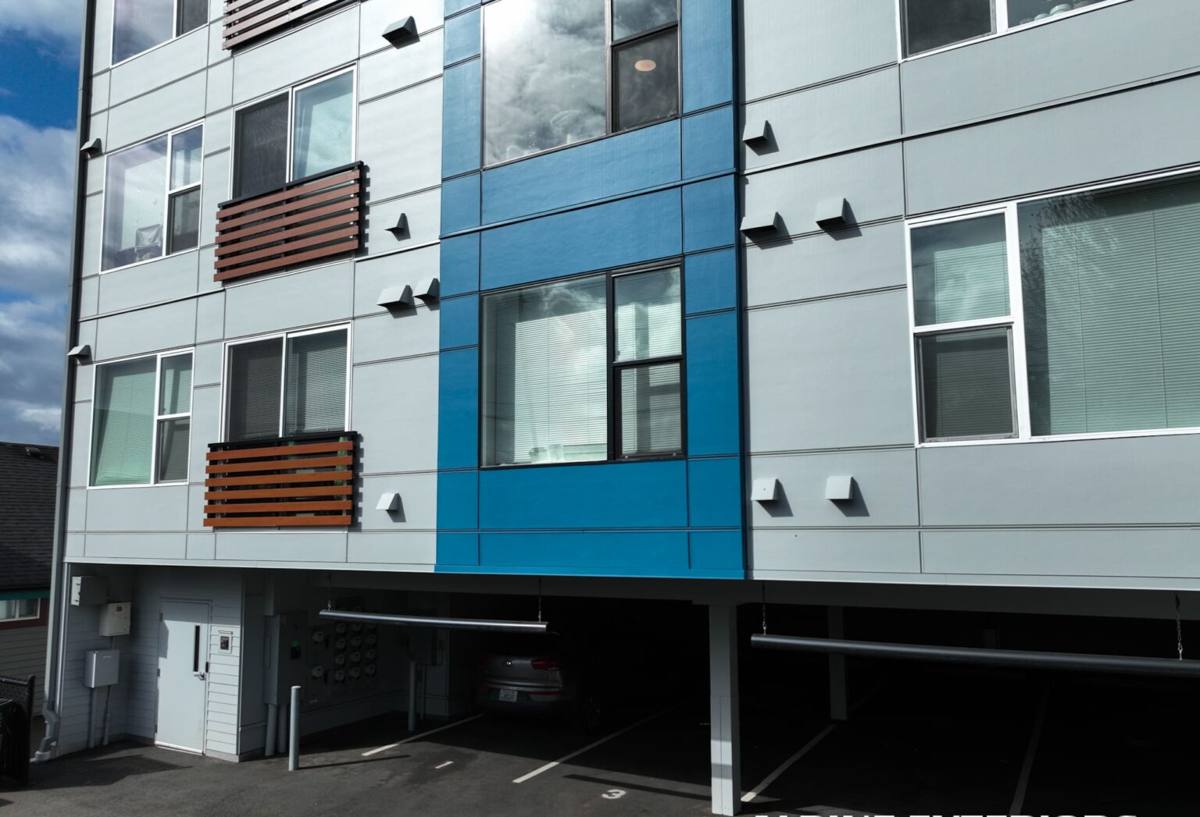
What Coastal Pinellas County Weather Does to Windows
Hurricane-Force Wind
Wind doesn't just push against glass — it creates pressure differentials that pull at the entire window assembly, frame and all. A window that isn't properly rated or properly anchored can fail at the frame long before the glass itself gives out. In a storm, that failure lets wind and water into the building envelope, which is how a "just the window" problem turns into a roof, drywall, and insulation problem.
Intense, Year-Round UV
Florida sun is harder on materials than most homeowners expect. Vinyl frames can discolor or become brittle over years of direct exposure, seals dry out faster, and low-quality glass coatings degrade unevenly, leaving some panes noticeably hazier or warmer than others. UV damage is slow and cumulative, which is exactly why it's easy to underestimate when you're picking a window off a showroom floor in an air-conditioned store.
Wind-Driven Rain
Rain that falls straight down is rarely the problem. Rain driven sideways at 40, 60, or 90 mph finds every gap in flashing, every shortcut in sealant, and every spot where a window was set without proper shimming. Most water intrusion around windows isn't a glass failure — it's a flashing and installation failure that shows up months or years later as a stain, a soft spot, or mold behind the drywall.
Salt Air
Being near the Intracoastal and the Gulf means airborne salt is a constant, low-level presence, even well away from the immediate waterfront. Salt accelerates corrosion on hardware, hinges, and fasteners, and it's harder on certain metals than others. This is one of the biggest reasons frame material and hardware selection matter more here than in most of the country.
Signs Your Belleair Bluffs Home Needs New Windows
Older windows don't usually fail all at once. They tend to give off warning signs for a while first. Worth checking for:
- Visible fog or moisture between double-pane glass (a failed seal)
- Windows that are difficult to open, close, or lock, or that no longer sit flush
- Drafts you can feel by hand along the frame edges on a windy day
- Soft, discolored, or bubbling drywall or trim near a window after heavy rain
- Visible gaps, cracked caulk, or daylight around the frame from outside
- Noticeably higher cooling bills without another clear cause
- Frames that are chalky, pitted, or corroded — especially aluminum hardware
- Single-pane or non-impact windows with no shutter or protection system in place
Any one of these on its own might be minor. Several together, especially on a home that hasn't had window work done in fifteen-plus years, usually means it's time for a real evaluation rather than another round of caulk and patch.
What Florida Building Code Requires Here
Pinellas County falls within Florida's wind-borne debris region under the Florida Building Code, which means most new and replacement windows either need to be impact-rated or need to be paired with an approved protective system, such as code-compliant shutters. Exact wind speed and pressure requirements depend on your specific location, elevation, and how close you are to open water, so they're determined at the permit stage, not guessed at from a general rule. Any legitimate window replacement in Belleair Bluffs should go through permitting and inspection — that's not paperwork for its own sake, it's the mechanism that confirms the window and the installation actually meet the wind and water requirements for your address.
What a Correct Installation Actually Involves
Removal and Opening Inspection
Once the old window comes out, the rough opening gets inspected before anything new goes in. This is the point where hidden water damage, rotted framing, or old flashing failures get found — and it's important they get found now, not sealed back up behind a new window where they'll keep causing damage unseen.
Flashing and Waterproofing
This is the step that determines whether a window leaks in five years, not whether it looks good on install day. Proper flashing integrates with the home's existing water management layer so that any water that does reach the opening is directed back out, not into the wall cavity. It's also the step most likely to get rushed by crews working on volume rather than accuracy.
Fastening and Shimming
An impact-rated window is only as strong as its anchoring. Fastener type, spacing, and embedment into structural framing all have to match the window's engineering and the permit requirements — not a generic "enough screws" approach. Shimming has to keep the frame square and properly supported so the window operates correctly and the seal performs as designed for years, not just on day one.
Sealing and Finish
Interior and exterior sealant, trim, and finish work close out the job — but only after the structural and waterproofing steps are verified. A clean caulk line over a poorly flashed opening still fails; it just takes longer to show.
Choosing the Right Window for a Belleair Bluffs Home
There isn't one universally "best" window — the right choice depends on the house, its exposure, and the homeowner's priorities. A few of the main trade-offs:
| Frame Material | Strengths | Trade-Offs in This Climate |
|---|---|---|
| Vinyl | Cost-effective, low maintenance, good insulator, doesn't corrode | Can discolor or lose rigidity under prolonged intense UV if lower-grade |
| Aluminum | Strong, slim frame profiles, good for large openings | More prone to salt-air corrosion on hardware unless properly coated and maintained |
| Fiberglass/Composite | Very stable, resists warping and UV degradation well | Higher upfront cost than vinyl |
Glass matters as much as the frame. Impact-rated laminated glass is the baseline for wind-borne debris protection, and a quality low-E coating cuts down on the UV and heat load that Florida sun puts on a home's cooling system. We'll walk through the realistic options for your specific windows rather than pushing whatever happens to be in stock.
Our Process
- On-site assessment — we look at your existing windows, openings, and any signs of past water intrusion before recommending anything.
- Honest product recommendation — matched to your home's exposure, budget, and the frame/glass trade-offs above, not a one-size-fits-all package.
- Permitting — handled properly through the applicable local jurisdiction, so the finished work is inspected and documented, not informal.
- Removal and opening inspection — old windows come out, and we address anything hidden we find before closing the wall back up.
- Installation — proper flashing, fastening to spec, and shimming, not just dropping a new unit into an old opening.
- Final seal, cleanup, and walkthrough — every window checked for smooth operation and a tight seal before we call it done.
Cost Factors
Every home is different, but the main variables that drive window replacement cost in this area are consistent:
| Factor | Why It Matters |
|---|---|
| Impact vs. non-impact glass | Impact-rated units cost more upfront but remove the need for separate shutters or panels |
| Frame material | Vinyl, aluminum, and fiberglass carry different material and labor costs |
| Window size and configuration | Large openings, sliders, and custom shapes cost more than standard single- and double-hung units |
| Number of windows | Whole-house replacement typically has a lower per-window cost than a handful done separately |
| Condition of the existing opening | Rot, prior water damage, or out-of-square framing add labor before the new window ever goes in |
As a rough starting point, impact-rated window installation in this area commonly runs somewhere in the low-to-mid four figures per window installed, with total project cost depending heavily on how many windows, their size, and the condition of the openings. We'll give you real numbers for your specific home during the estimate — not a generic per-window figure that doesn't account for your actual openings.
Why a Crew That Already Works Belleair Bluffs Matters
A window installer who works across Pinellas County regularly already knows what wind exposure and permitting look like for homes near the Intracoastal, has already seen how salt air treats different hardware over time, and isn't learning the local jurisdiction's inspection process on your project. That experience shows up in small decisions — fastener choice, flashing detail, how a window is set in an older opening — that don't get noticed until they either hold up in the next storm or don't.
It also means someone is around after the job is done. Window work that's done right rarely needs a callback, but when it does, having an installer who's local and established matters far more than a lower bid from a crew that's hard to reach once the check clears.
If your windows are original to the house, showing wear, or you're just not confident they'd hold up in the next serious storm, we're happy to take a look. Fill out the form below for a free, no-pressure estimate — we'll tell you honestly what your home needs, not just what's easiest to sell.