 Clearwater Siding
 Windows Built for Belleair Bluffs, Not Just Installed There
Belleair Bluffs sits on the higher ground along Pinellas County's Intracoastal side, which sounds like an advantage until you realize what that elevation and waterfront proximity actually expose a home to. Salt-laden air moves through neighborhoods here year-round, wind off the water carries fine grit and moisture into window tracks and seals, and the same views that make these homes desirable also put them directly in the path of hurricane-season winds and wind-driven rain. A window replacement here isn't a cosmetic upgrade. It's a structural and weatherproofing decision that affects how well the rest of the house holds up.
We install replacement windows across Clearwater and the surrounding Pinellas County communities, and Belleair Bluffs homes get the same attention we give any coastal property: correct wind-load rating, correct flashing and sealing detail, and glass and frame packages chosen for what this specific climate does to a window over ten or twenty years, not just what looks good on installation day.
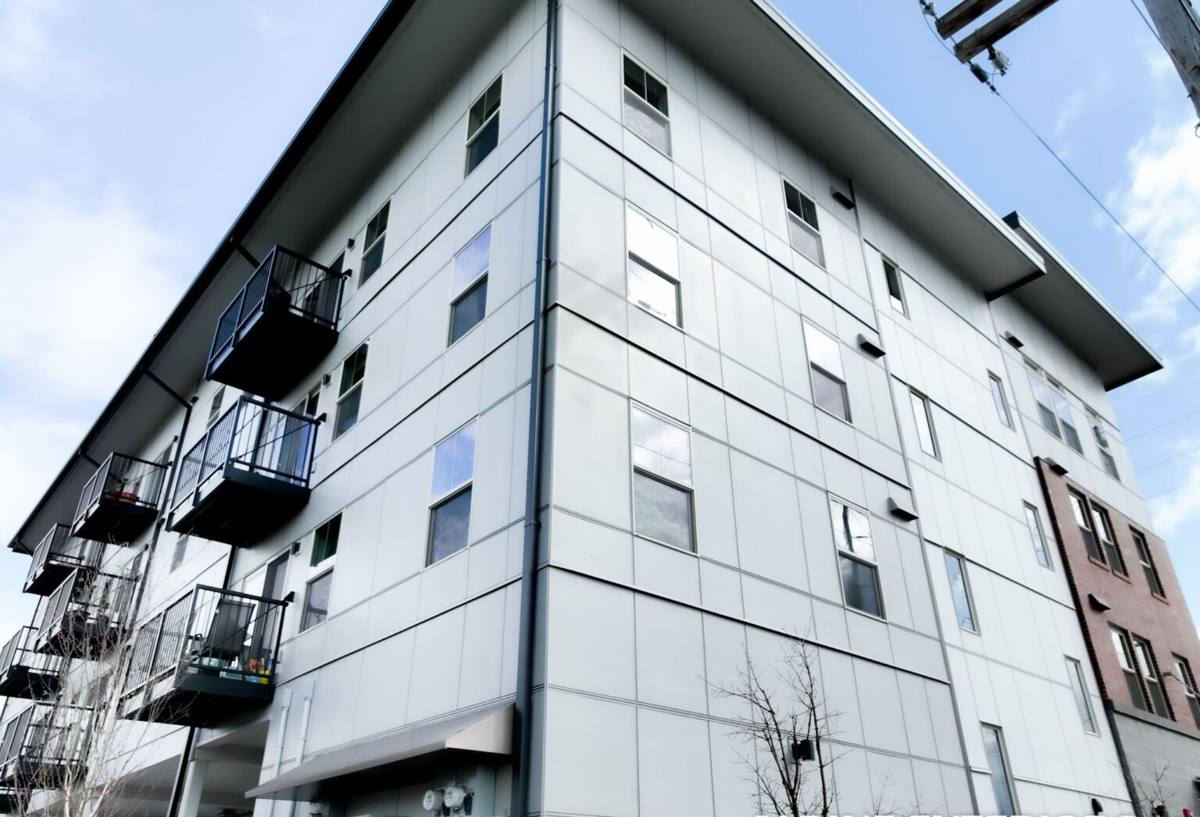
What Coastal Exposure Actually Does to a Window
Most homeowners don't think about window failure until it shows up as a fogged pane or a door that won't latch. By then, the damage has usually been building for years. In a Gulf Coast climate like ours, three forces do most of the work:
Salt Air and Corrosion
Airborne salt settles on and around window hardware, screws, and metal components. On aluminum-framed windows especially, this leads to pitting, corrosion, and eventually hardware that binds or fails outright. Even vinyl and fiberglass frames aren't immune — the fasteners, balances, and locking mechanisms inside them are often metal.
Year-Round UV Exposure
Florida's sun is relentless on window components most people never think about: vinyl frames, weatherstripping, and the sealant beads around the glass. UV breaks down these materials faster here than almost anywhere else in the country, which is why a window that might last decades in a milder climate can show frame chalking, brittleness, or seal failure well before that in Belleair Bluffs.
Wind-Driven Rain and Pressure Cycling
Storms here don't just bring rain — they push it sideways under pressure, straight at seams, weep holes, and flashing details that were never designed to handle it. Even outside of named storms, everyday wind pressure cycling gradually works at seals and fasteners. A window that was installed correctly on day one but with substandard flashing will often show leaks first at the corners, several years down the road, long after the installer is out of the picture.
What a Correct Window Replacement Actually Involves
Swapping in a new window is the easy part. The work that actually determines whether that window performs for the next fifteen-plus years happens around it. A proper installation includes:
- Removing the old unit down to the rough opening and inspecting the framing and sill for rot, moisture damage, or prior water intrusion
- Repairing or rebuilding any compromised framing before the new window goes in — never installing over a damaged opening
- Installing a correctly lapped weather-resistant barrier and flashing system so water sheds outward, not into the wall cavity
- Setting the window plumb, level, and square, shimmed at the manufacturer's specified points
- Sealing with the right sealant for the substrate, not just whatever's on the truck
- Fastening per the product's Florida product approval, which specifies exact fastener type, spacing, and embedment for the tested wind rating
- Interior and exterior trim-out that maintains the drainage path rather than trapping water behind it
Skip or rush any one of these steps and the window itself becomes almost irrelevant — a high-end impact unit installed with poor flashing will leak and underperform just like a cheap one.
Impact-Rated Windows vs. Standard Windows with Shutters
One of the first decisions Belleair Bluffs homeowners face is whether to install impact-resistant windows or stick with standard glass protected by shutters during storms. Both are legitimate approaches under Florida Building Code, but they behave very differently day to day.
| Factor | Impact-Resistant Windows | Standard Windows + Shutters |
|---|---|---|
| Storm protection | Built-in, always in place | Only when shutters are deployed |
| Daily convenience | No action needed before a storm | Requires deploying/removing shutters each event |
| Noise and UV reduction | Meaningful improvement year-round | No improvement until shutters are closed |
| Upfront cost | Higher per window | Lower window cost, added shutter cost |
| Natural light during storms | Retained (glass stays exposed) | Lost while shutters are closed |
| Insurance considerations | May qualify for wind mitigation credits | Depends on shutter type and rating |
Neither option is universally "right" — it comes down to budget, how much you value not having to prep before every storm watch, and how the home is used. We'll walk through the honest trade-offs for your specific house rather than push one option across the board.
Choosing Frame Material and Glass for This Climate
Frame material matters more here than in drier, inland climates because of the corrosion and UV factors covered above.
Vinyl
Vinyl frames don't corrode and hold up well to salt air, and modern impact-rated vinyl units are reinforced at the corners and meeting rails to handle Florida wind loads. UV-stabilized vinyl resists the chalking and brittleness that lower-grade vinyl can develop under constant sun.
Aluminum
Aluminum is strong and slim-profile, which some homeowners prefer for sightlines, but it requires a good protective finish to resist salt-air corrosion over time and conducts heat more than vinyl or fiberglass, which shows up in energy bills.
Fiberglass
Fiberglass resists corrosion, expands and contracts less than vinyl or aluminum under temperature swings, and generally holds paint and finish well over the long term. It typically costs more upfront than vinyl.
Glass Packages
Beyond impact resistance, a Low-E coated, laminated impact glass unit reduces UV transmission (protecting furniture and flooring from fading), cuts down on solar heat gain, and reduces outside noise — a real benefit in waterfront and busier corridor areas of Belleair Bluffs.
Signs Your Current Windows Are Telling You Something
Coastal window failure is usually gradual, which is exactly why it gets ignored until it's expensive. Watch for:
- Fogging or a hazy film between panes of double-pane glass — a sign the seal has failed
- Frames that feel chalky, pitted, or show white corrosion residue, especially on aluminum
- Windows that are hard to open, close, or lock, or that no longer sit flush
- Visible daylight or a draft around the frame when the window is closed
- Cracked, shrinking, or missing exterior caulking around the frame perimeter
- Noticeably higher cooling bills without another clear cause
- Rattling or whistling during windy conditions
- Soft spots, staining, or discoloration on interior drywall or trim near a window
Any one of these on its own might not be urgent. Several together, especially on a home that's original to its construction era, usually means it's time to start planning replacement rather than waiting for a failure during storm season.
Permits and Code Compliance in Pinellas County
Window replacement in coastal Pinellas County is governed by the Florida Building Code's wind-borne debris and pressure requirements, and Belleair Bluffs' local building department requires a permit and inspection for window replacement work — this isn't optional paperwork, it's what confirms the installed product and installation method actually match the tested rating for your home's wind exposure. Installing a window without a permit, or installing one that isn't rated for the required wind pressure, can create real problems later: failed home inspections at resale, insurance claim disputes, and in some cases, having to redo the work. We handle the permitting and inspection process as part of the job so you're not left tracking down paperwork on your own.
Our Process, Start to Finish
- Free on-site estimate — we measure, inspect existing framing and sills, and talk through your priorities (storm protection, energy performance, budget, appearance)
- Product recommendation — we present options with real trade-offs, not a single default pitch
- Written proposal — clear scope, product specs, and pricing before any commitment
- Permitting — we pull the required permit and schedule inspections
- Installation — old units removed, framing inspected and repaired as needed, new windows set, flashed, and sealed correctly
- Final walkthrough and inspection — we confirm operation, sealing, and code sign-off before we consider the job done
Why Local Experience in Belleair Bluffs Matters
A window contractor who mostly works inland doesn't always think in terms of salt exposure, wind-driven rain, or the specific permitting expectations of a smaller coastal jurisdiction like Belleair Bluffs. A crew that regularly works this part of Pinellas County already knows what framing condition to expect when opening up an older wall, which product approvals hold up to local wind requirements, and how to sequence a job around Florida's storm season rather than getting caught mid-project. That local pattern recognition is the difference between a window replacement that's just installed and one that's actually built for where it lives.
If your windows are showing their age, feel drafty, or you're simply ready to stop worrying about them every storm season, we're happy to come take a look. Reach out for a free, no-pressure estimate using the form below — we'll walk the home, answer your questions honestly, and give you a clear picture of your options before you decide anything.