 Clearwater Siding
 Clearwater Beach Sits in a Tougher Climate Than "Coastal Florida" Sounds
Clearwater Beach is a barrier island. That single fact changes almost everything about how siding should be chosen and installed here compared to a home a few miles inland in Pinellas County. Homes on and near the beach take a direct hit from Gulf humidity, salt-laden air, and wind loads that inland homes simply don't see at the same intensity. Siding that performs fine in a typical Tampa Bay suburb can fail early on a Clearwater Beach home if it wasn't engineered and installed with this specific exposure in mind.
This page is about one thing: installing James Hardie fiber cement siding correctly on a Clearwater Beach home, in a way that actually holds up to the environment it's going on. We don't install other siding brands or materials — this page explains why, and what a proper Hardie installation looks like in this specific setting.
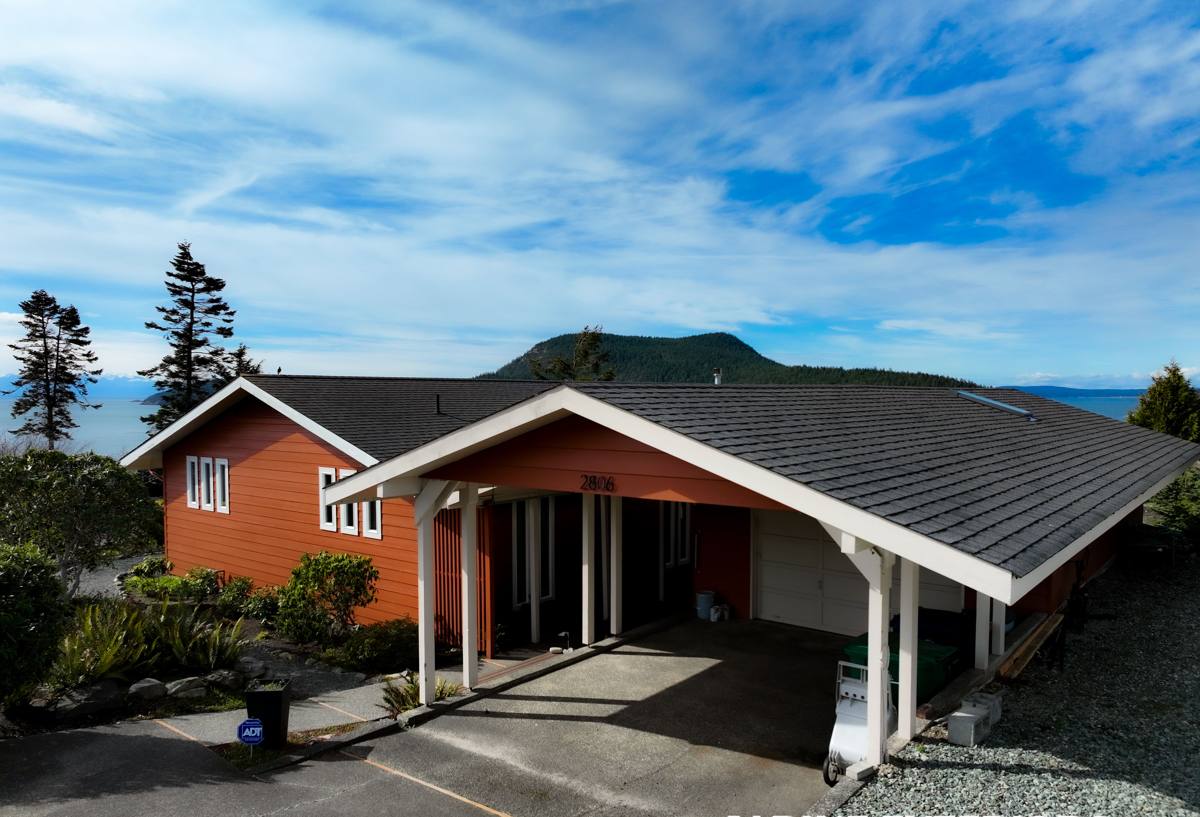
What Salt Air, Wind, and UV Actually Do to Exterior Cladding
Salt Air and Moisture
Airborne salt is corrosive and hygroscopic — it draws moisture to surfaces and accelerates the breakdown of fasteners, coatings, and seams. Materials that aren't rated for it can corrode from the outside in, well before the surface shows obvious damage.
UV Exposure
Florida's year-round sun is more intense and more constant than most of the country experiences. Paint films and low-grade coatings chalk, fade, and become brittle faster here than in northern climates, which is why finish quality matters more on a beach property than almost anywhere else.
Wind-Driven Rain
During storms, rain on Clearwater Beach doesn't just fall — it's driven sideways into walls, joints, and penetrations under pressure. Siding systems that rely on gravity alone to shed water, rather than proper lapping, flashing, and sealed penetrations, let moisture behind the cladding.
Hurricane-Force Wind Loads
Beachfront and near-beach homes in this part of Florida are engineered to specific wind-load standards under the Florida Building Code, and Pinellas County enforces those requirements closely. Siding attachment isn't just about appearance — it's a structural detail that has to hold under real storm pressure.
Why James Hardie Fits This Environment
James Hardie fiber cement is engineered around exactly these stresses, which is a core reason we standardized on it rather than offering multiple siding brands.
- Non-combustible material — fiber cement doesn't feed a fire the way wood-based or foam-backed products can.
- Climate-engineered product lines — Hardie's HZ5 formulation is specifically built for high-humidity, high-moisture-cycling climates like the Gulf Coast, addressing swelling and moisture-related failure differently than their products made for drier regions.
- ColorPlus factory finish — the color is baked on in a controlled factory process rather than field-painted, which holds up better against constant UV and salt exposure than a job-site paint job, and comes with its own finish warranty.
- Dimensional stability — fiber cement doesn't expand and contract with humidity swings the way vinyl or wood products can, which matters when a home goes from soaked to sun-baked in the same afternoon, as beach homes routinely do.
None of this means Hardie is maintenance-free or storm-proof. It means the base material is engineered for this specific set of conditions — but only if it's installed to spec, which is where most long-term siding problems actually originate.
What a Correct Installation Actually Involves Here
Fastener Selection and Placement
In a salt-air environment, fastener material matters as much as fastener count. Hardie's installation instructions specify corrosion-resistant fasteners for coastal applications, and spacing/embedment has to meet both the manufacturer's requirements and local wind-load provisions — not a generic inland pattern.
Clearances That Actually Get Followed
Hardie specifies minimum clearances from grade, roofing, decks, and other flatwork specifically because trapped moisture at these transitions is where rot and failure start. On a beach lot where irrigation, humidity, and storm runoff are all elevated, these clearances aren't a suggestion — they're the difference between a wall assembly that dries out and one that doesn't.
Flashing and Sealing at Every Penetration
Windows, doors, vents, hose bibs, and any other wall penetration are where wind-driven rain finds a way in. Correct flashing integration — not just a bead of caulk over a gap — is what actually keeps water out of the wall assembly during a wind-driven storm.
Joint Treatment and Caulking Standards
Butt joints and trim transitions need to be treated with the sealants and gaps Hardie specifies, sized to allow for material movement without letting water track in behind the board.
Following the Manufacturer's Installation Instructions to the Letter
Hardie's product warranty is tied to installation according to their published instructions. Skipping steps to save labor time is one of the most common reasons a Hardie installation underperforms — the product gets blamed for what was actually an installation shortcut.
Our Process for a Clearwater Beach Hardie Project
- On-site assessment — we inspect existing siding, trim, and sheathing for moisture damage or rot before quoting anything, since beach homes more often have hidden water damage than inland homes do.
- Tear-off and substrate repair — old material comes off and any compromised sheathing or framing is repaired before new siding ever goes up.
- Weather barrier installation — a proper water-resistive barrier is installed as the first line of defense behind the cladding.
- Hardie installation to manufacturer and code spec — correct fasteners, clearances, and lapping for this specific coastal wind zone.
- Flashing, trim, and caulking — every penetration and transition sealed correctly, not just caulked over.
- Final walkthrough — we go over the finished work with the homeowner before calling the job done.
Why Local Experience on Clearwater Beach Specifically Matters
A contractor who mostly works inland neighborhoods and occasionally takes a beach job is learning on your house. Crews who regularly work Clearwater Beach already know the practical realities: permitting expectations with Pinellas County, the wind-load documentation inspectors want to see, which fastener specs actually hold up out here long-term, and the logistics of staging material and equipment on barrier-island lots with limited access and, often, HOA or condo-association rules to work around. That familiarity shows up in fewer surprises, fewer change orders, and a job that passes inspection the first time.
James Hardie HZ5 vs. a Standard Fiber Cement Approach
| Factor | Coastal-Engineered Approach (What We Install) | Generic/Inland Approach |
|---|---|---|
| Moisture engineering | Formulated for high-humidity, high-moisture-cycling climates | Formulated for drier, more stable climates |
| Fastener spec | Corrosion-resistant, coastal-rated fasteners | Standard fasteners, faster corrosion risk near salt air |
| Finish | Factory-applied ColorPlus finish with its own warranty | Field-painted finish, no factory finish warranty |
| Installation detailing | Wind-zone-specific fastening and flashing | Standard fastening pattern regardless of exposure |
| Long-term result | Built to hold up to salt, UV, and wind cycling | Higher risk of early caulk failure, corrosion, and moisture intrusion |
What Drives the Cost of a Beachfront Hardie Project
| Cost Factor | Why It Matters |
|---|---|
| Home size and wall complexity | More square footage and more corners/dormers mean more material and labor |
| Condition of existing substrate | Hidden rot or water damage found during tear-off adds repair scope |
| Trim and architectural detail | Custom trim work and accent details take more time than flat runs |
| Product line and color selection | HZ5 boards, specialty profiles, and certain ColorPlus colors vary in cost |
| Site access and staging | Barrier-island lot access, parking, and any HOA logistics can affect labor time |
We don't quote made-up numbers on a page like this — every Clearwater Beach home is different enough in size, condition, and access that an honest number only comes from an actual on-site look.
Questions to Ask Before Hiring Anyone to Side Your Clearwater Beach Home
- Are they installing to James Hardie's published instructions for this climate zone, and can they explain what that means in practice?
- What fastener type are they specifying, and is it rated for salt-air exposure?
- Do they pull the correct permits and know what Pinellas County inspectors look for on a wind-load-rated installation?
- Do they have experience specifically with barrier-island or near-beach properties, not just general Tampa Bay work?
- What does their warranty cover — workmanship, and separately, what does Hardie's own product and finish warranty cover?
- Will they show you the clearances and flashing details before closing the wall up, not just describe them afterward?
Living With Hardie Siding on a Beach Property
Even with a correctly installed, climate-engineered product, a Clearwater Beach home benefits from a little routine attention: periodically rinsing salt residue off exterior walls, keeping an eye on caulk lines at trim and penetrations, and making sure irrigation isn't spraying directly onto siding day after day. None of this is heavy maintenance — it's the kind of upkeep that protects the investment you've already made and keeps the ColorPlus finish looking the way it did on day one for years longer.
Ready to Talk About Your Home?
If you own a home on or near Clearwater Beach and you're dealing with aging, damaged, or failing siding, we'd rather come look at it in person than guess from a distance. We'll walk the exterior with you, point out anything that concerns us, and give you a straightforward estimate for a correctly installed James Hardie system — no pressure, no obligation. Use the form below to request your free estimate.