 Clearwater Siding
 Clearwater Beach Roofs Work Harder Than Roofs a Few Miles Inland
A new roof on Clearwater Beach isn't the same project as a new roof in a subdivision ten miles east. Homes on this barrier island sit in direct line with the Gulf of Mexico, which means constant salt-laden air, near-daily UV exposure, and wind loads that inland roofs rarely see. Add in the wind-driven rain that comes with Gulf storms and tropical systems, and you have a roofing environment that punishes shortcuts fast. Materials, fasteners, and installation details that hold up fine in a shaded inland neighborhood can fail years early out here.
That doesn't mean beachside homeowners need to overspend on exotic materials. It means the roof has to be specified and installed correctly for this specific environment, from the underlayment up to the ridge cap. That's the focus of this page: what a Clearwater Beach new roof installation actually requires, and how we handle it.
How Salt Air, UV, and Wind Actually Damage a Roof
Understanding the failure points helps explain why we build roofs the way we do out here.
Salt Air and Corrosion
Airborne salt settles on every exposed surface and accelerates corrosion of metal components — nails, flashing, drip edge, and vent stacks. Standard fasteners can start rusting within a few years this close to the water, which is why fastener choice matters as much as shingle choice.
Year-Round UV Exposure
Florida sun is intense in general, but a beachfront roof gets reflected UV off the water and sand in addition to direct sun. That extra exposure speeds up granule loss on shingles and accelerates the breakdown of lower-grade underlayments and sealants.
Wind Uplift and Wind-Driven Rain
Roofs fail at their edges first — eaves, rakes, hips, and ridges — because that's where wind generates the most uplift pressure. Once wind gets under a shingle or panel edge, it doesn't take much for a section to peel back. Wind-driven rain can then force water sideways and upward under roofing material that isn't properly sealed and lapped, which is a very different problem than rain simply falling straight down.
What Florida's Coastal Wind Requirements Mean for a New Roof Here
Pinellas County's coastal location puts new roofing work under Florida Building Code provisions for wind resistance and wind-borne debris that go beyond what's required in many other parts of the country. In practice, that shows up in several concrete requirements on a Clearwater Beach install:
- Enhanced nailing patterns and fastener schedules at eaves, rakes, and field areas of the roof
- A sealed, self-adhering underlayment system in addition to (or in place of) standard felt
- Wind-rated shingles, panels, or tile matched to the home's exposure category
- Proper drip edge and flashing details at every roof-to-wall and penetration point
- Permitting and inspection through the local building department before the roof is considered complete
These aren't upsells — they're baseline code requirements for coastal Pinellas County construction, and skipping or shortcutting them is one of the most common reasons roofs fail early or insurance claims get denied after a storm.
Choosing a Roofing System Built for This Environment
There's no single "best" roofing material for every home — the right choice depends on your budget, your home's structure, and how long you want to go before your next re-roof. Here's how the common options compare specifically for a salt-air, high-UV, high-wind setting like Clearwater Beach:
| Roofing System | Wind Performance | Salt Air / Corrosion | UV / Heat Aging | Typical Lifespan |
|---|---|---|---|---|
| Architectural asphalt shingle (wind-rated) | Good, with correct nailing and sealed underlayment | Moderate — depends heavily on fastener and flashing quality | Moderate; granule loss accelerates with reflected coastal UV | 15-25 years |
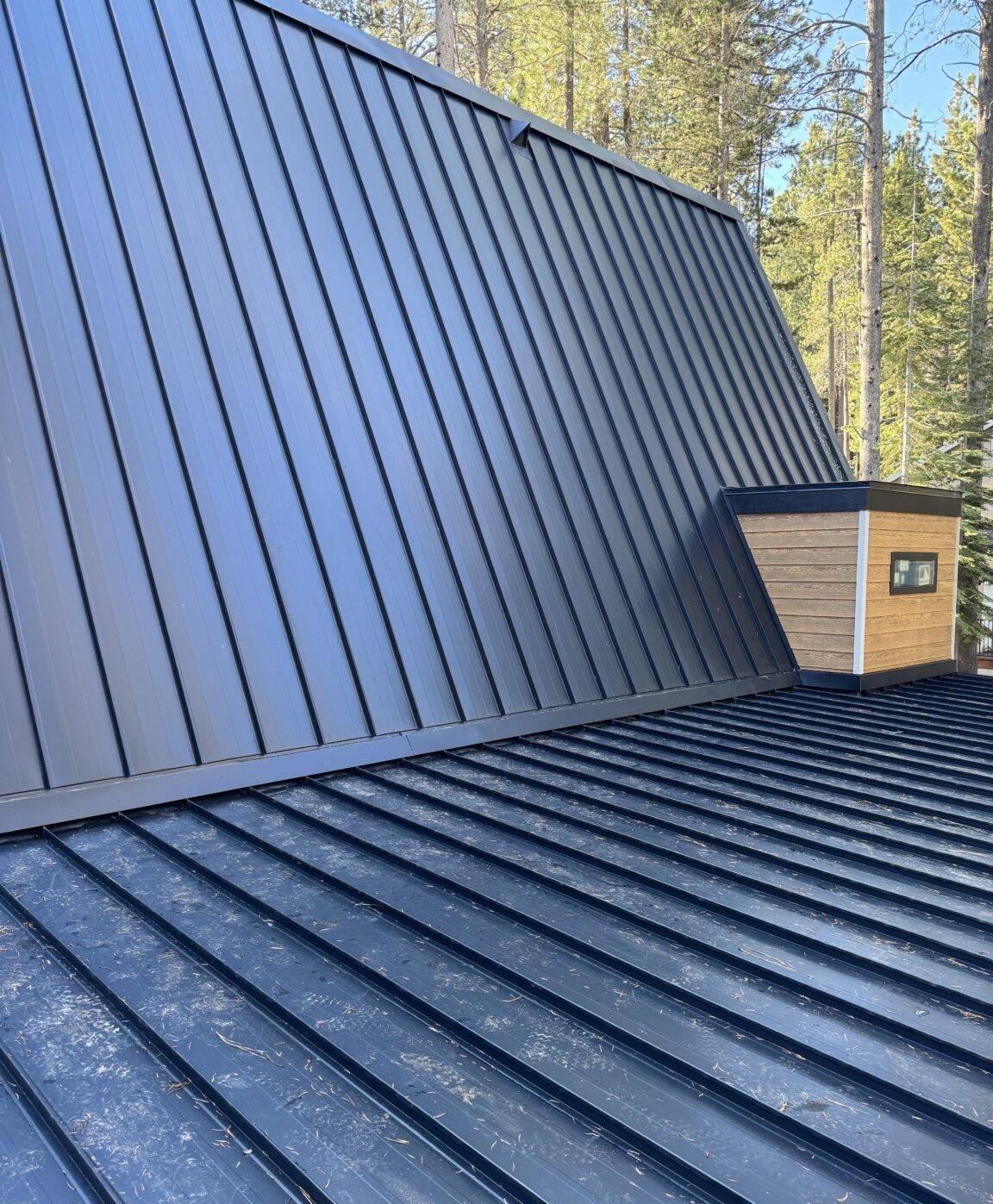
| Standing seam metal | Excellent when properly fastened and detailed | Strong if coated/finished for coastal use and fasteners are corrosion-resistant | Excellent; reflects heat, minimal UV degradation | 30-50 years |
| Concrete or clay tile | Very good when installed with proper fastening/foam adhesion for wind zone | Strong; tile itself doesn't corrode, but underlayment and flashing still need coastal-grade materials | Excellent; tile itself is essentially UV-inert | 30-50+ years |
Whichever system you choose, the underlayment, flashing, fasteners, and ventilation beneath it matter just as much as the visible surface material — arguably more, since that's what actually keeps water and wind out.
What a Correct Installation Actually Involves
A new roof is only as good as what happens before and beneath the finished surface. On every Clearwater Beach installation, the process includes:
Full Tear-Off and Deck Inspection
We remove the existing roofing down to the deck rather than layering over it. This lets us inspect the sheathing for rot, delamination, or storm damage that's often invisible from above, and replace any compromised sections before new material goes down. Installing a new roof over a weak deck undermines the wind performance of everything above it.
Self-Adhering Underlayment at Vulnerable Areas
Eaves, valleys, and roof penetrations get self-adhering, waterproof underlayment as a secondary barrier. This is what stops wind-driven rain from reaching the deck even if wind gets under the primary roofing material during a storm.
Corrosion-Resistant Fasteners and Flashing
We use fasteners and flashing rated for coastal, salt-air exposure rather than standard-grade hardware. It costs a little more up front and saves the homeowner from premature rust staining, loosened fasteners, and leaks down the road.
Proper Edge, Penetration, and Ridge Detailing
Drip edge, wall flashing, vent boots, and ridge caps are installed and sealed to spec — these are the exact points where most wind and water intrusion failures start, and where corner-cutting is hardest to spot after the fact.
Ventilation and Moisture Control Matter More in a Coastal Climate
Pinellas County's humidity, combined with a beachside home's heat load, makes attic ventilation a bigger deal than homeowners often expect. A roof system needs balanced intake and exhaust ventilation to let heat and moisture escape the attic space. Without it, you get elevated attic temperatures that shorten shingle life from underneath, plus a higher risk of condensation and moisture buildup that can lead to mold or wood deterioration over time. We size and place ventilation as part of the new roof design, not as an afterthought.
Our Process, From Estimate to Final Inspection
- On-site inspection — we assess the existing roof, deck condition, and any structural or ventilation issues specific to your home.
- Written proposal — a clear scope of work and material options, with honest trade-offs explained, not just a single quote number.
- Permitting — we handle the permit application and coordinate required inspections with the local building department.
- Material staging — barrier island access and limited property space mean delivery and staging are planned in advance so the job runs efficiently and safely.
- Installation — tear-off, deck repair as needed, underlayment, flashing, and final roofing material installed to code and manufacturer specification.
- Daily cleanup — job sites are swept and magnet-cleared for nails and debris at the end of each work day.
- Final walkthrough and documentation — we review the completed roof with you and provide the paperwork needed for permit closeout, warranty registration, and insurance purposes.
Why Local Clearwater Beach Experience Actually Matters
Barrier island jobs come with logistics that inland roofing jobs don't: limited staging space on smaller lots, condo or HOA coordination where applicable, bridge and traffic timing for material delivery, and permitting that has to account for coastal wind requirements correctly the first time. A crew that already works this area knows how to plan around those constraints instead of learning them on your job. We also understand what a wind mitigation inspection looks for after installation, since a properly documented, code-compliant new roof can affect a homeowner's insurance premium in coastal Pinellas County.
Protecting Your Investment After Installation
A correctly installed roof still benefits from basic upkeep in a coastal environment. We recommend homeowners:
- Rinse accumulated salt residue off the roof surface periodically, especially after long dry stretches
- Keep gutters and downspouts clear so wind-driven rain has somewhere to go
- Have the roof visually inspected after any major storm, even if there's no obvious interior leak
- Watch for lifted shingle edges, rust streaking, or loose flashing and address them early
- Keep documentation of the install and any repairs for warranty and insurance purposes
Small issues caught early are inexpensive. The same issues left through another storm season rarely are.
If your Clearwater Beach roof is aging, storm-damaged, or you're planning ahead rather than waiting for a leak, we're glad to take a look and give you a straightforward, no-pressure assessment. Use the form below to request a free estimate, and we'll walk you through your options honestly.