 Clearwater Siding
 Siding That Actually Holds Up in Coachman Ridge
Coachman Ridge is a quiet, established residential neighborhood in Clearwater, tucked into Pinellas County's peninsula climate — which means it takes the same beating every other neighborhood here does, just without anyone talking about it until the siding starts to fail. Homes in this area sit exposed to hurricane-force wind gusts during storm season, intense year-round UV that never really lets up even in "winter," wind-driven rain that gets pushed sideways into wall assemblies during summer thunderstorms, and a steady dose of salt-laden air carried in off the Gulf. None of that is unique to Coachman Ridge specifically, but it's the reality every house in this part of Clearwater has to be built to survive, and it's why we treat siding selection here as a structural decision, not a cosmetic one.
This page is about one thing: installing James Hardie fiber cement siding correctly on Coachman Ridge homes, by a crew that already works this neighborhood and understands what Pinellas County's climate and code requirements actually demand.
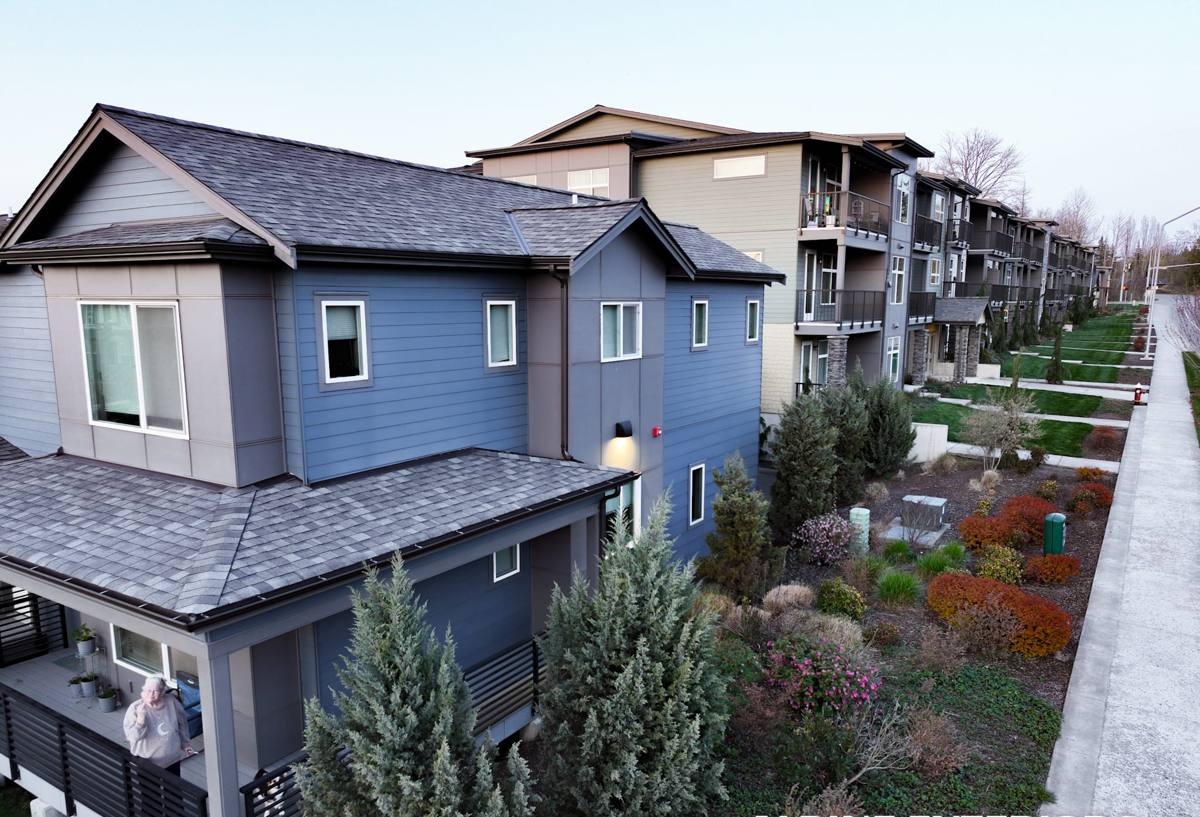
What Clearwater's Climate Does to Siding Over Time
Hurricane and Tropical Storm Wind Loads
Pinellas County sits in a high-velocity hurricane zone. Wind doesn't just push on siding — it gets underneath loose or improperly fastened panels, works them back and forth, and eventually tears them off the wall. Fastening pattern, fastener type, and clearance details matter more here than in almost any other part of the country, because a siding job that would hold up fine in a low-wind inland state can fail in a single Clearwater storm season.
Year-Round UV Exposure
Florida sun is relentless on painted and coated surfaces. Cheap or field-applied paint jobs chalk, fade, and peel years before they should. This is one of the biggest reasons color stability matters as much as the siding material itself — a product that looks great on day one but can't hold its finish through a decade of Gulf Coast sun isn't solving the actual problem.
Wind-Driven Rain and Moisture Intrusion
Clearwater's summer storms don't fall straight down — wind pushes rain horizontally into wall systems, seams, and penetrations. Siding that isn't installed with correct flashing, gaps, and drainage behind it will trap moisture against the wall sheathing, and that's where rot, mold, and structural damage start — almost always invisible until the damage is already done.
Salt Air Corrosion
Even set back from the immediate coastline, Coachman Ridge homes sit close enough to the Gulf that airborne salt accelerates corrosion of fasteners, trim, and any material not engineered to resist it. Over years, salt exposure is part of why some siding materials perform worse here than the manufacturer's national warranty language would suggest.
Why We Only Install James Hardie
We made a deliberate decision as a company to install James Hardie fiber cement siding exclusively — not LP SmartSide, not vinyl, not Cemplank, Allura, or primed wood products. That's not a marketing position, it's a standard we hold ourselves to because of what we've seen these climate stresses do to lower-tier materials over time in exactly this part of Florida.
- Non-combustible core: fiber cement doesn't feed a fire the way wood-based or wood-fiber siding products can.
- Engineered for humid, coastal climates: Hardie's HZ5 product line is specifically formulated for high-humidity, high-moisture regions like Florida's Gulf Coast.
- ColorPlus factory finish: baked-on, UV-cured color that resists the fading and chalking that plagues field-painted siding under constant Florida sun.
- Dimensional stability: fiber cement doesn't swell, warp, or rot the way wood-based composite siding can when it takes on moisture.
- Strong transferable warranty: backed by a large, established manufacturer with decades of track record in the exact climate Coachman Ridge sits in.
We're not going to tell homeowners that every other siding product is worthless — some of them are reasonable choices in the right climate. But for wind, UV, and moisture exposure at this level, we won't put our name on a job using a product we don't believe will hold up, and that's why James Hardie is the only thing we install.
What a Correct James Hardie Installation Involves
The material is only half the equation. Most siding failures we get called out to inspect in this area trace back to installation shortcuts, not the product itself. A correct James Hardie job on a Coachman Ridge home includes:
- Proper starter strip and flashing at the base of every wall to manage water at grade
- Correct fastener type, spacing, and embedment — following Hardie's published fastening schedules for high-wind zones, not a generic pattern
- Manufacturer-specified clearances from grade, roofing, decks, and adjacent hardscape so panels never sit in standing water or trapped moisture
- Proper flashing and integration at every window, door, and penetration — the single most common point of moisture intrusion when skipped
- Correct panel gaps and joint treatment so the assembly can move without cracking caulk lines or opening seams
- Weep and drainage paths behind the cladding so incidental moisture can escape instead of accumulating against the sheathing
- Factory-finished ColorPlus panels installed without field-cutting through the finish wherever avoidable, preserving the factory warranty coverage
Skip any one of these and you can end up with a wall that looks fine for a year or two and then starts showing problems — usually right after the next hurricane season or two of sun exposure has had time to find the weak point.
How James Hardie Compares to Other Siding Options
| Factor | James Hardie Fiber Cement | Vinyl Siding | LP SmartSide / Wood-Based |
|---|---|---|---|
| Wind performance | Engineered and rated for high-wind zones when fastened to spec | Can crack, warp, or blow off in sustained hurricane-force gusts | Adequate if installed correctly, but fasteners can back out under repeated flexing |
| UV / color stability | ColorPlus factory finish resists fading for years | Fades and can become brittle under constant Florida sun | Field paint fades and requires repainting on a regular cycle |
| Moisture behavior | Dimensionally stable, engineered for humid climates (HZ5) | Doesn't rot, but can trap moisture behind poorly installed panels | Wood-based core is vulnerable to swelling and rot if moisture reaches it |
| Fire resistance | Non-combustible cement-based core | Combustible, can melt or deform near heat sources | Combustible wood-fiber core |
| Typical warranty | Long-term transferable manufacturer warranty | Varies widely by manufacturer and product tier | Varies; often shorter on finish than substrate |
Our Process for Coachman Ridge Homes
1. On-Site Assessment
We walk the property, check current siding and sheathing condition, note wind and moisture exposure on each elevation, and identify trouble spots — old flashing, past water intrusion, trim condition — before we ever talk product or price.
2. Detailed, Written Proposal
You get a clear scope: which Hardie product line and profile, color, trim details, and what the tear-off and prep work involves. No vague "and more" line items.
3. Proper Tear-Off and Substrate Check
We remove existing siding down to the sheathing, check for hidden moisture damage or rot, and address anything we find before a single new panel goes up. Covering up a problem is worse than finding one.
4. Installation to Manufacturer Spec — Not Just Code Minimum
Flashing, fastening schedule, clearances, and joint treatment are done to James Hardie's published specifications for this climate zone, not the bare minimum a local inspector might accept.
5. Final Walkthrough and Cleanup
We walk the finished job with you, point out details, and make sure the site is cleaned up before we consider it done.
Cost Factors for a Coachman Ridge James Hardie Project
| Factor | Why It Affects Cost |
|---|---|
| Home size and elevation count | More square footage and more complex rooflines mean more material and labor |
| Tear-off and substrate condition | Hidden rot or old moisture damage found during tear-off adds repair scope |
| Product line and profile | Lap siding, panel siding, and shingle-style profiles carry different material costs |
| Trim and detail work | Corner boards, window/door casing, and fascia detail add labor time |
| Access and site conditions | Tight lot lines, landscaping, or multi-story elevations affect staging and labor |
We don't quote broad ballpark numbers without seeing the house — Coachman Ridge has a range of home sizes and styles, and an honest number only comes from an actual site visit.
Why Hiring a Crew That Already Works This Neighborhood Matters
Siding installation isn't a one-size-fits-all trade, and Clearwater isn't a generic climate. A crew that regularly works in Coachman Ridge and the surrounding Pinellas County area already understands the wind zone requirements local permitting expects, has a feel for how homes of this era and construction type are built, and isn't learning Florida's moisture and wind demands on your project. That familiarity shows up in the details — flashing choices, fastening decisions, and knowing which parts of a wall assembly need extra attention before problems ever start.
Before you hire anyone for a siding project in this neighborhood, it's worth asking a few direct questions:
- Are you licensed and insured to do exterior work in Pinellas County?
- Do you install to James Hardie's published fastening and clearance specifications, or a generic pattern?
- Will you inspect and address sheathing/substrate condition during tear-off, not just cover it up?
- Can you explain your flashing detail at windows, doors, and penetrations before work starts?
- Do you provide a written scope and warranty information before the job begins?
- Have you worked in this neighborhood or similar Clearwater-area homes before?
If a contractor can't answer those clearly, that's worth paying attention to before signing anything.
Get a Free, No-Pressure Estimate
If you're weighing a siding project for your Coachman Ridge home, we're glad to come take a look, answer questions honestly, and give you a clear, written estimate — no pressure, no scare tactics. Fill out the form below and we'll follow up to schedule a visit.