 Clearwater Siding
 Building New in Coachman Ridge? The Windows Are Not a Detail to Rush
Whether you're finishing out a new build, closing in an addition, or replacing every window opening down to the studs in a Coachman Ridge home, new-construction windows are one of those line items that quietly determines how the next 20 years go. Get the install right and you get a tight, quiet, energy-efficient home. Get it wrong — even with a good window — and you're looking at leaks, stucco cracks, and warranty headaches a few storm seasons down the road.
Clearwater sits in Pinellas County, on a peninsula that takes weather from three directions: Gulf-driven wind and salt off the coast, tropical systems that bring hours of wind-driven rain, and a sun angle that beats on west- and south-facing glass nearly every day of the year. New-construction windows in Coachman Ridge have to be selected and installed with all of that in mind, not just fitted to the rough opening and caulked.
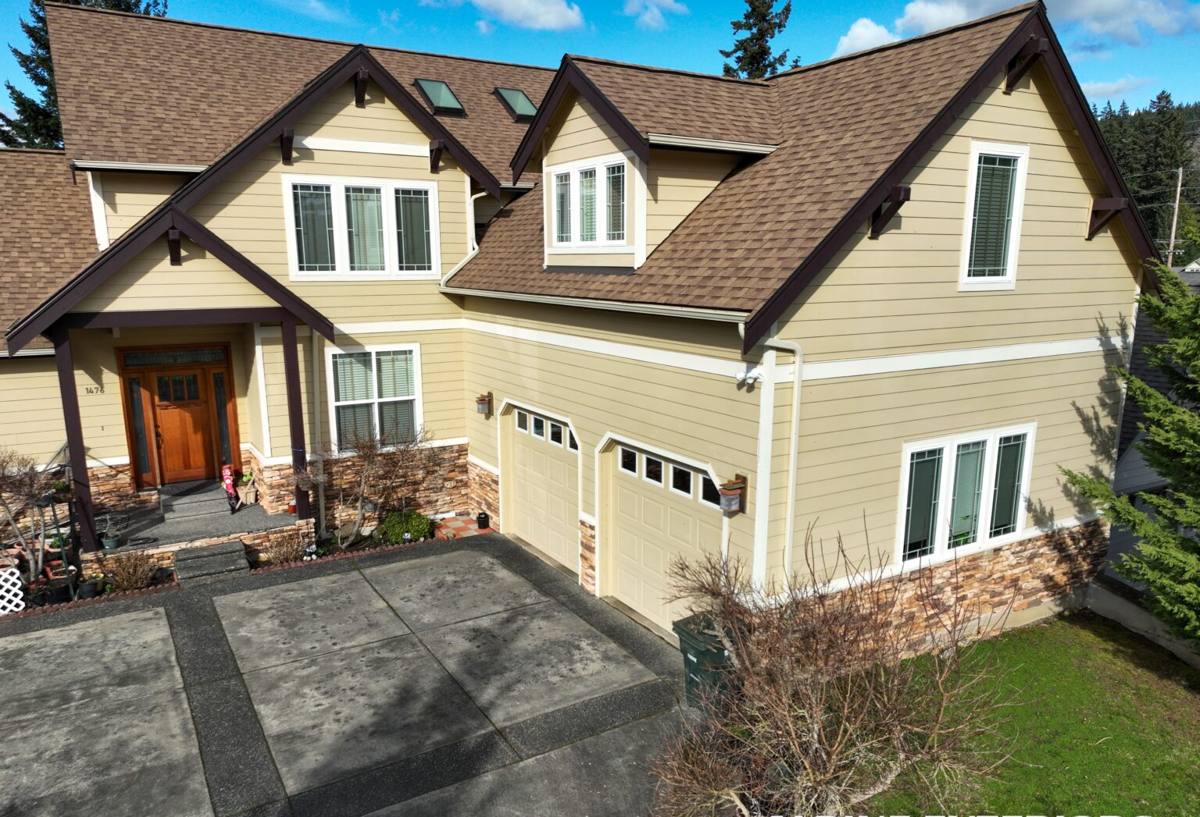
New-Construction Windows vs. Replacement Windows — Why the Difference Matters
"New-construction" isn't a marketing term — it describes a specific window design and installation method, and it's not interchangeable with a replacement (pocket) window. Getting this wrong on a new build or addition is one of the more common mistakes we see corrected after the fact.
The Core Difference
A new-construction window has a nailing flange (fin) around the perimeter of the frame. It's designed to be installed into a bare, open rough opening before exterior finish — stucco, siding, or brick — goes on. The flange gets integrated directly into the house wrap and flashing system, which is what actually keeps water out over time. A replacement window has no flange; it's built to slide into an existing frame with the exterior finish already in place around it.
Why It Matters for Your Project
If the opening is down to framing — new construction, an addition, or a gut-level renovation — a new-construction window with proper flange integration is the correct product. Using a replacement-style window in that situation (or skipping proper flange/flashing integration on a new-construction unit) leaves the weakest link in the whole assembly: the transition between window and wall, exactly where wind-driven rain finds its way in.
| Factor | New-Construction Window | Replacement Window |
|---|---|---|
| Installed when | Before exterior finish (stucco/siding) is applied | Into an existing finished wall opening |
| Water management | Flange ties into house wrap and flashing directly | Relies on sealant and existing wall flashing |
| Best fit for | New builds, additions, full-opening renovations | Swapping a window without disturbing exterior finish |
| Long-term moisture risk if done right | Low — flashing plane is continuous | Low, but depends on condition of existing wall assembly |
What Coachman Ridge Homes Specifically Need From These Windows
Wind Load and Debris Resistance
Pinellas County enforces the Florida Building Code's wind provisions, and coastal-influenced areas across the county — including inland neighborhoods like Coachman Ridge — regularly fall within zones where windows need a documented wind-load rating, and often impact resistance or an approved shutter system, depending on the specific site conditions and permit review. This isn't optional trim-level upgrade territory; it's determined by your address and lot exposure, and it gets checked at permitting. We pull the actual requirement for your property rather than assuming, because guessing wrong means a failed inspection or a window that has to come back out.
UV and Heat Load
Florida sun is relentless on glass, and west-facing rooms in particular can become unusable by mid-afternoon without the right glazing. Low-E coatings and the right combination of U-factor and solar heat gain coefficient (SHGC) make a real difference in both comfort and cooling bills — this matters more in Clearwater than in most of the country, given how many months a year the AC is actually working against solar gain.
Wind-Driven Rain and Moisture
Rain in a Gulf Coast storm rarely falls straight down — it drives sideways, which means it's testing the seal around every window on the windward side of the house, not just the sill. A new-construction install lives or dies on flashing details: sill pan, jamb flashing, head flashing, and how each layer overlaps (always shedding water downward and outward, never trapping it) with the house wrap.
Salt Air and Material Fatigue
Coachman Ridge isn't right on the water, but salt-laden air still travels well inland across the Pinellas peninsula, especially with onshore wind. Over years, that air accelerates corrosion on hardware, fasteners, and lower-grade frame components. Frame material and hardware quality matter more here than they would inland in a landlocked state.
What a Correct New-Construction Window Installation Actually Involves
The window itself is one part of the assembly. The install is where most long-term problems either get prevented or get built in.
- Rough opening checked for square, level, and correct dimensions before the window ever shows up on site
- Sill pan flashing installed to shed any water that gets past the window back to the exterior, not into the wall cavity
- Window set, shimmed properly, and fastened per the manufacturer's approved fastening schedule — not "close enough"
- Jamb and head flashing integrated with the house wrap in the correct shingle-lap order
- Sealant used as a backup to good flashing, never as the sole line of defense against water
- Product labels, NOA (Notice of Acceptance) or FBC approval documentation kept for the permit file and homeowner records
- Final check for operation, weep holes clear, and no visible gaps before exterior finish closes around it
Permitting and Code in Pinellas County
Window replacement and new installs in Clearwater require a building permit, and the reviewing office will want the product approval documentation (NOA or Florida Product Approval number) matched to your specific wind zone and exposure category. This isn't paperwork for its own sake — it's the record that the specific window installed on your house is rated for what your address actually needs. We handle this as part of the job, not as an afterthought, and we don't install product we can't document as compliant for the site.
Our Process for New-Construction Window Projects in Coachman Ridge
- Site visit and measure. We look at exposure, orientation, and existing framing conditions, not just opening sizes.
- Product selection. We walk through frame material, glass package, and wind/impact rating options that actually fit your lot's requirements and budget — no upselling to a rating you don't need, no cutting corners on one you do.
- Permit pull. We handle the permit application and product approval documentation with Pinellas County/City of Clearwater as required.
- Install. Flashing and fastening done to manufacturer spec and code, with attention to the flange/house-wrap integration that determines whether the job holds up in a storm.
- Inspection and walkthrough. We coordinate the required inspection and walk the finished work with you before calling it done.
Cost Factors to Expect
Every project is different, but the variables that move the price are consistent. Getting a written estimate that breaks these out is the only way to compare bids honestly.
| Factor | Why It Affects Cost |
|---|---|
| Impact rating requirement | Impact-rated glass and frames cost more than standard wind-rated units, but may remove the need for separate shutters |
| Window size and quantity | Larger openings and higher window counts scale material and labor directly |
| Frame material | Vinyl, aluminum, and fiberglass carry different price points and different long-term maintenance profiles |
| Glass package | Low-E coatings, tinting, and laminated impact glass add cost but change comfort and energy performance |
| Opening condition | Framing that needs correction before install adds labor beyond the window itself |
| Access and site conditions | Second-story openings or tight lot access can add labor time |
Why Hiring a Crew That Already Works Coachman Ridge Matters
Window code requirements aren't uniform across Florida, and they're not even uniform across Pinellas County — they shift based on wind exposure, distance from open water, and the specific permitting jurisdiction reviewing your job. A crew that regularly works in and around Clearwater already knows what the Pinellas County and City of Clearwater permit offices expect to see, has relationships with local inspectors, and isn't learning the local wind-zone rules on your project. That familiarity shows up as fewer surprises: fewer permit rejections, fewer re-inspections, and an install that's built for the specific conditions your Coachman Ridge address actually faces rather than a generic national spec.
It also matters after the sale. A local, established contractor is the one who's still around — and easy to reach — if a warranty question comes up two or five years from now, which matters a lot more in a hurricane-exposed market than it does elsewhere.
Ready to Talk Through Your Project?
If you're planning new-construction windows for a build, addition, or full-opening renovation in Coachman Ridge, we're glad to take a look and walk you through what your specific property needs. Fill out the form below for a free, no-pressure estimate — no obligation, just a straight answer on scope, code requirements, and cost.