 Clearwater Siding
 Composite Decking Built for Seminole's Climate
Seminole sits in Pinellas County, wedged between the Gulf of Mexico and Tampa Bay, which means almost every home here deals with some combination of salt-laden air, long stretches of direct sun, and the occasional tropical system pushing wind-driven rain sideways across a lanai or pool deck. A deck built for a mild climate somewhere else will not hold up the same way here. Composite decking, installed correctly for this environment, is one of the few outdoor flooring choices that can shrug off all three of those stressors at once without the yearly upkeep a wood deck demands.
This page is specifically about composite decking installation for homes in and around Seminole. We're not going to give you a generic national rundown of composite decking — we're going to walk through what actually matters for a deck, pool surround, or canal-side platform built a few miles from the Gulf.
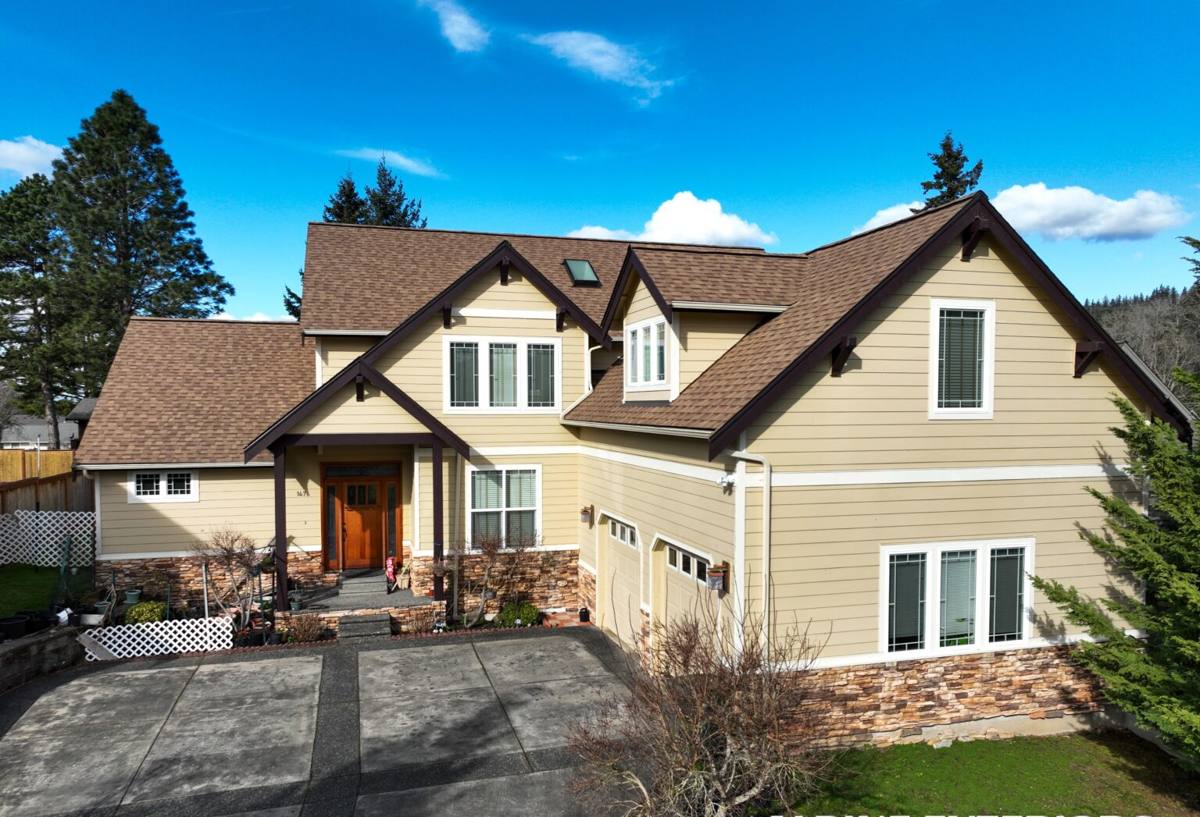
What Seminole's Environment Does to a Deck
Salt Air and Humidity
Seminole's proximity to the coast and to Pinellas County's canal and waterway network means salt is in the air even at homes that aren't waterfront. Salt accelerates corrosion in any metal component — fasteners, brackets, joist hangers — and it settles into porous surfaces. Humidity that barely drops for months at a time keeps organic growth (mildew, algae) active on any surface that stays damp, including the underside of a deck board.
UV Exposure
Florida sun is intense and consistent nearly year-round. Untreated or poorly capped decking material will fade, chalk, or become brittle faster here than almost anywhere else in the country. Color stability and UV-resistant capping aren't cosmetic extras in this climate — they're functional requirements.
Wind and Wind-Driven Rain
Hurricane season brings sustained high winds and rain that doesn't fall straight down — it drives horizontally into ledger connections, fascia, and any gap in flashing. A deck that isn't fastened and flashed with that in mind will find the weak point eventually, whether that's a lifted board, a compromised ledger attachment, or water intrusion into the house framing behind it.
What a Correctly Built Composite Deck Requires Here
Composite decking is only as good as what's underneath it. The board itself gets most of the attention, but the substructure and fastening decisions are what actually determine whether the deck survives a decade of Pinellas County weather.
- Pressure-treated or coated substructure lumber rated for ground contact and humid exposure, not standard interior-grade material
- Stainless steel or coated corrosion-resistant fasteners and hardware throughout — not just at visible connections
- Proper ledger board flashing where the deck attaches to the house, sealed against wind-driven rain
- Joist spacing that matches the specific composite board's manufacturer requirements (composite often needs tighter spacing than wood)
- Adequate ventilation and clearance underneath the deck so moisture doesn't get trapped against the substructure
- Footings set to local frost-free depth requirements and sized for Florida soil conditions, especially near canals or low-lying lots
- Hidden fastener systems installed correctly so boards can expand and contract with heat without buckling
Skip any one of these and the deck may look fine for a season or two before a problem surfaces — usually right after the first real storm or the first full summer of heat cycling.
Wind and Storm-Season Considerations
Because this region sees hurricane-force wind events, the connections that hold a deck to your house and to its own footings matter as much as the decking surface itself. Uplift on a deck structure during high wind isn't hypothetical here — it's a real load case that the framing and fasteners need to be sized for. This is also where permitting comes in: most elevated deck construction in Pinellas County requires a permit and inspection, and that process exists specifically to catch under-built connections before they become a problem during storm season. We treat the permit and inspection process as part of doing the job right, not paperwork to work around.
Moisture Management and Drainage
A flat, low-lying property near the coast doesn't drain the way a sloped lot inland does. Standing water around footings, poor grading under a deck, or a lanai surface with nowhere for rain to go all shorten the life of even a good composite installation. Correct installation accounts for drainage slope, gapping between boards for water flow, and keeping the space under the deck ventilated enough that trapped humidity doesn't turn into a mildew problem you can smell before you can see it. Wind-driven rain during storms will find any low spot or blocked drainage path, so this isn't something to leave to chance on a Gulf Coast property.
Choosing the Right Composite Board for This Climate
Not all composite decking is built the same, and the differences matter more here than in a drier, milder climate. The two broad categories are capped composite (a protective polymer shell wrapped around a wood-plastic composite core) and uncapped composite (no protective shell, more exposed to moisture and UV).
| Factor | Capped Composite | Uncapped Composite |
|---|---|---|
| UV / fade resistance | Strong — shell is engineered to resist Florida sun | Weaker — more prone to fading and chalking over time |
| Moisture resistance | High — shell blocks water absorption into the core | Lower — core can absorb moisture in humid, wet conditions |
| Mold/mildew resistance | Better — smoother, sealed surface is harder for growth to grip | More susceptible, especially in shaded or poorly ventilated areas |
| Upfront cost | Higher | Lower |
| Long-term maintenance | Lower — periodic cleaning is usually enough | Higher — more attention needed to prevent staining and growth |
Given the salt air, UV load, and humidity Seminole homes deal with, we generally steer homeowners toward capped composite for anything permanent — it's a better match for the environment even though it costs more up front. We'll walk through the specific product lines and color options that make sense for your project during your estimate rather than pushing one brand as a blanket answer, since board width, color, and texture all factor into how a deck performs and looks over time.
Our Installation Process
Every project starts with a look at the specific site conditions — proximity to water, sun exposure, drainage, and how the deck will connect to your home.
- Site assessment and design. We evaluate grading, sun/shade exposure, proximity to canals or standing water, and how the deck ties into the existing structure.
- Permitting. We handle the Pinellas County permit and inspection process for elevated or attached deck structures.
- Substructure build. Footings, framing, and ledger attachment are built to withstand humidity, salt exposure, and wind uplift — not just to pass a quick glance.
- Fastening and flashing. Corrosion-resistant hardware throughout, with flashing detailed to shed wind-driven rain away from the house.
- Composite board installation. Boards are installed with correct spacing for thermal movement and proper hidden-fastener technique.
- Final walkthrough. We go over care and cleaning specific to your board choice and your property's exposure.
Maintenance in a Salt Air, High-UV Environment
Composite decking's main selling point is that it needs far less maintenance than wood — no annual sanding, staining, or sealing. That said, "low maintenance" isn't "no maintenance," especially this close to the coast. Periodic rinsing to clear salt residue and pollen buildup, occasional soap-and-water cleaning in shaded or humid spots prone to mildew, and keeping debris out of the gaps between boards will keep a composite deck looking and performing the way it should for the long haul. None of this compares to the sanding, staining, and rot-checking a wood deck requires in this climate.
Why Hiring a Crew That Already Works in Seminole Matters
A contractor who mainly builds decks inland or in a different climate may not think twice about fastener grade, ledger flashing detail, or footing depth for sandy, low-lying Gulf Coast soil — because in their usual work, those shortcuts don't get punished as quickly. In Seminole, they do. We work in Pinellas County regularly, which means we already know the permitting process, the wind and flood considerations local inspectors look for, and how quickly a poorly detailed deck shows problems in this specific combination of sun, salt, and storm exposure. That familiarity is the difference between a deck that needs attention in three years and one that's still solid in fifteen.
If you're considering composite decking for a home in Seminole, we're happy to walk the site, talk through board options, and give you a straightforward, no-pressure estimate — just fill out the form below to get started.