 Clearwater Siding
 Roof Repair in Countryside: What Local Homes Need
Countryside is one of Clearwater's larger, well-established residential areas, and like the rest of Pinellas County it sits squarely in a climate that is hard on roofs. Homes here see a mix of roof ages and roof types, and the repairs we're called out for tend to follow a predictable pattern once you understand what the local weather does to a roof system year after year. A good repair isn't just patching a leak where the ceiling stain shows up — it's tracing the water back to its actual entry point, fixing the underlying cause, and leaving the roof in a condition that holds up through the next storm season, not just until the next hard rain.
This page focuses specifically on roof repair for Countryside homes — what typically fails, what a correct repair involves, how we approach the work, and what to look for in a crew that's going to do it right.
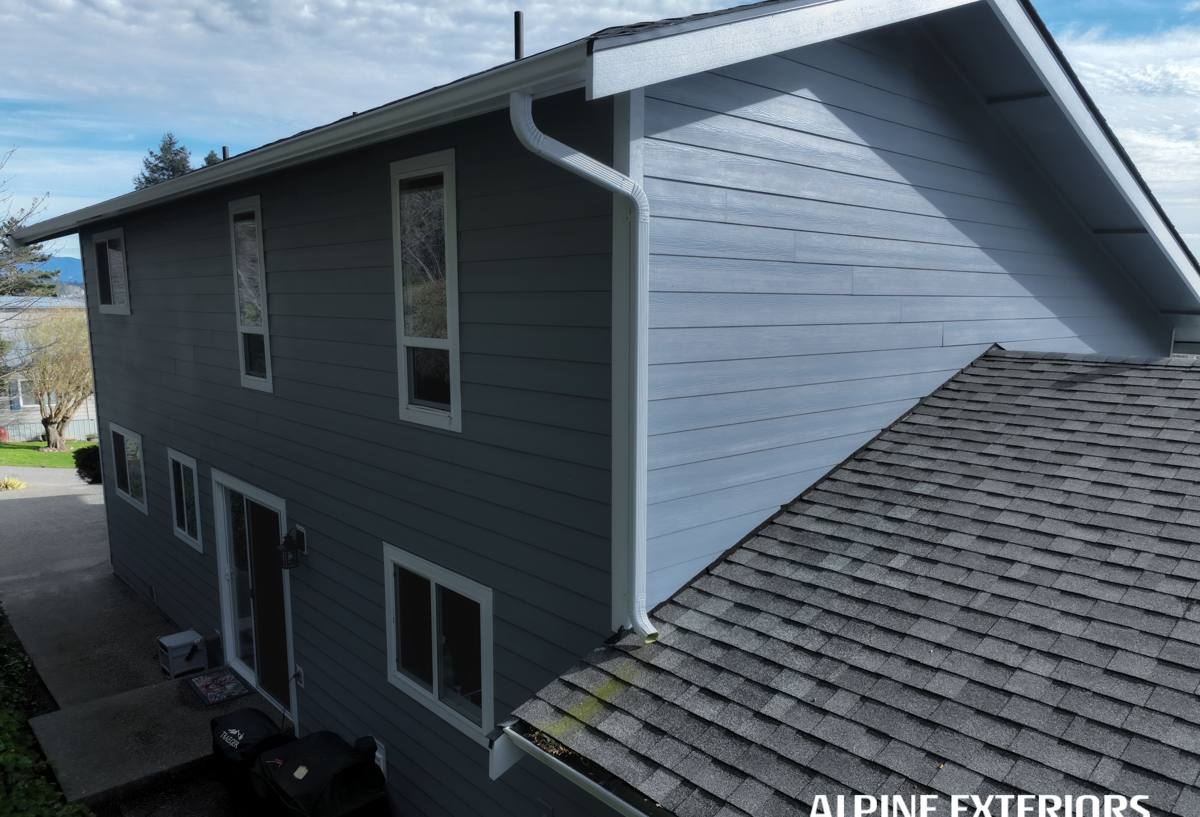
What Clearwater's Climate Does to a Roof
Pinellas County roofs work harder than roofs in most of the country. A few factors compound on each other here in ways that matter directly to how repairs should be done.
Intense, Year-Round UV
Florida's sun angle and humidity mean roofing materials are exposed to more UV degradation over a year than they would be in most other states. Asphalt shingle granules wear down faster, sealant strips lose their adhesive strength sooner, and rubber or plastic components like pipe boots and flashing sealants become brittle and crack years before they would in a milder climate. This is one of the most common repair triggers we see — a pipe boot or flashing sealant that simply aged out.
Wind-Driven Rain
Florida storms rarely drop rain straight down. Wind pushes rain sideways and up under shingle edges, around flashing laps, and into any gap that a vertical rain would never find. A roof that would be watertight in a calm downpour can still leak badly in a wind-driven storm if flashing details, shingle nailing patterns, or underlayment laps aren't installed correctly for this specific condition.
Hurricane-Force Winds
Clearwater sits in a hurricane-exposed coastal county, and even storms that don't make direct landfall nearby can bring sustained winds and gusts strong enough to lift shingle tabs, loosen ridge caps, or peel back flashing that was only marginally secured to begin with. Wind damage is often less obvious than a torn-off shingle — a lifted tab that reseals itself on a calm day can still have a broken seal that lets water in during the next rain.
Salt Air
Even well inland from the immediate coastline, Pinellas County air carries salt content that accelerates corrosion on exposed metal — flashing, fasteners, vent stacks, and drip edge. Corroded metal fasteners and flashing are a slow, quiet cause of leaks that often aren't diagnosed correctly by someone who isn't used to working in a coastal climate.
Common Roof Repair Issues We See in Countryside
Repair calls in this area tend to fall into a fairly consistent set of categories:
- Cracked or shrunken pipe boots letting water track down into the attic around plumbing vents
- Lifted or missing shingles after wind events, sometimes with the surrounding shingles still in place but no longer sealed
- Flashing failures around chimneys, skylights, and roof-to-wall intersections where two different roof planes meet
- Valley leaks where water volume concentrates and any small gap in the underlayment or metal becomes a real problem
- Nail pops and cracked shingles from age and thermal cycling between hot afternoons and cooler nights
- Soft or spongy decking under a small section of roof, usually found only once shingles are pulled back
- Clogged or damaged gutters and drip edge contributing to fascia and soffit water intrusion
Some of these are quick, contained repairs. Others are a sign that the surrounding roof section is past the point where patching makes sense. Part of doing this job honestly is telling you which one you're dealing with before any work starts.
What a Correct Roof Repair Actually Involves
Diagnosis Before Anything Else
The most common mistake in roof repair isn't bad workmanship — it's fixing the wrong spot. Water travels along the underlayment, decking, and framing before it shows up as a stain on your ceiling, so the visible damage inside the house is often several feet away from the actual point of entry on the roof. A correct repair starts with a physical inspection of the roof surface, not just a look at the ceiling stain, and traces the path water is actually taking.
Matching the Repair to the Roof System
A repair has to integrate with the existing roofing system, not just sit on top of it. That means matching shingle type and, where possible, color; using flashing details that are compatible with the existing roof-to-wall or roof-to-penetration condition; and making sure any new underlayment laps correctly with the old material so water sheds over every seam instead of into it.
Fastening and Sealing for Wind, Not Just Rain
Given the wind exposure here, repairs need to account for uplift, not just water shedding. That means correct nail placement and count on replaced shingles, properly seated ridge caps, and sealant that's rated for sustained sun and moisture exposure rather than a general-purpose caulk that will fail again in a year or two.
Checking the Deck, Not Just the Surface
Any time shingles are pulled back for a repair, the decking underneath should be checked for soft spots, delamination, or rot before new material goes down. Covering a bad deck with new shingles just hides the problem until it's a bigger and more expensive one.
Repair vs. Replacement: How We Help You Decide
Not every roof problem calls for the same solution, and a contractor who only offers full replacements — or only offers patches — isn't necessarily giving you the option that fits your situation. Here's how we weigh it:
| Factor | Favors Repair | Favors Replacement |
|---|---|---|
| Roof age | Well within expected lifespan for the material | Near or past the material's typical service life |
| Extent of damage | Isolated to one section or penetration | Spread across multiple areas or slopes |
| Decking condition | Solid, no rot or delamination found | Soft spots or damage found in multiple locations |
| Granule loss / UV wear | Localized | Widespread across the roof surface |
| Insurance and future coverage | Roof still insurable at current condition | Insurer flags age or condition as a renewal issue |
| Cost over time | Repair cost is a small fraction of replacement cost | Repeated repairs are approaching replacement cost |
In Florida specifically, roof age and condition can affect homeowners insurance eligibility and premiums independent of whether the roof is actually leaking. That's a real factor for a lot of Countryside homeowners, and it's worth discussing during an estimate even if the immediate concern is just a single leak.
Our Process From Call to Completion
- You describe the problem — a leak, a storm-damaged area, a maintenance concern — and we schedule a visit.
- We inspect the roof directly, not just the interior damage, and identify the actual source of the problem.
- We explain what we found in plain terms, including whether a repair is appropriate or whether the area's condition points toward replacement.
- We provide a written estimate before any work begins, so there are no surprises on cost or scope.
- We pull any required permit through the local building department before starting work that requires one.
- We complete the repair, matching materials and methods to the existing roof system.
- We do a final check for proper sealing, fastening, and water shedding before we consider the job done.
Roof Types Common in Countryside and Repair Considerations
Countryside homes are roofed with a mix of materials, and repair approach changes depending on what's up there.
| Roof Type | Typical Repair Focus |
|---|---|
| Asphalt shingle (3-tab or architectural) | Wind-lifted or missing shingles, worn sealant strips, flashing and pipe boot replacement |
| Concrete or clay tile | Cracked or slipped tiles, underlayment failure beneath intact tile, flashing at valleys and penetrations |
| Flat or low-slope (membrane) | Seam separation, ponding water areas, flashing at walls and drains |
| Metal panel | Fastener backout, sealant failure at laps and penetrations, corrosion at cut edges |
Tile roofs deserve a specific note: the tile itself is often not what fails first — it's the underlayment beneath it. A tile roof can look intact from the ground while the waterproofing layer underneath has already degraded from years of UV and heat cycling. That's a repair (or underlayment replacement) that requires actually lifting and resetting tile correctly, not just caulking a crack and moving on.
Why Hiring a Crew That Already Works in Countryside Matters
Roof repair isn't a one-size-fits-all trade. A crew that regularly works Clearwater and the broader Pinellas County area already knows which flashing details tend to fail on the roof types common here, how the county's permitting and inspection process works, and what wind and moisture exposure actually demands versus what a generic repair might overlook. That local familiarity shows up in small decisions — how a valley is detailed, how a pipe boot is sealed, what sealant is rated to hold up under this specific sun and salt exposure — that determine whether a repair lasts one season or many.
It also matters for response time. Roof leaks don't wait for a convenient afternoon, and a local crew can typically get eyes on a Countryside roof faster than a company dispatching from farther away, which matters when water is actively getting into your home.
Maintenance Checklist to Extend Your Roof's Life
Between repairs, a few habits go a long way toward catching problems early, before they turn into interior damage:
- Have the roof visually inspected after any major storm, even if you don't see obvious damage from the ground
- Keep gutters and downspouts clear so water isn't backing up under the roof edge
- Trim back overhanging branches that can abrade shingles or drop debris into valleys
- Check attic spaces periodically for water stains, damp insulation, or daylight coming through the decking
- Have pipe boots and rubber flashing components checked every few years, since they age faster than the shingles around them
- Address small issues — a lifted shingle, a small stain — promptly rather than waiting for them to worsen
- Keep a record of roof age, materials, and any repair work done, which is useful both for maintenance planning and for insurance purposes
Getting an Honest Look at Your Roof
Every roof and every repair situation is a little different, and the right answer depends on what's actually happening up there — not a generic assumption. If you're dealing with a leak, storm damage, or just want a professional opinion on a roof that's showing its age, we're happy to take a look and give you a straight answer about what it needs. Reach out for a free, no-pressure estimate using the form below.