 Clearwater Siding
 Belleair Bluffs sits above the Intracoastal Waterway in Pinellas County, and that elevated, water-adjacent setting is part of what makes the neighborhood distinctive — and part of what makes deck care here different from a typical inland property. Between salt air drifting off the water, intense year-round Florida sun, and the wind and wind-driven rain that come with hurricane season, a deck in this area works harder than most decks ever will. Clearwater Siding Company repairs decks throughout Belleair Bluffs and the surrounding Clearwater area, and our repair process is built around what actually fails out here, not a generic checklist pulled from a colder, drier climate.
Why Belleair Bluffs Decks Take a Beating
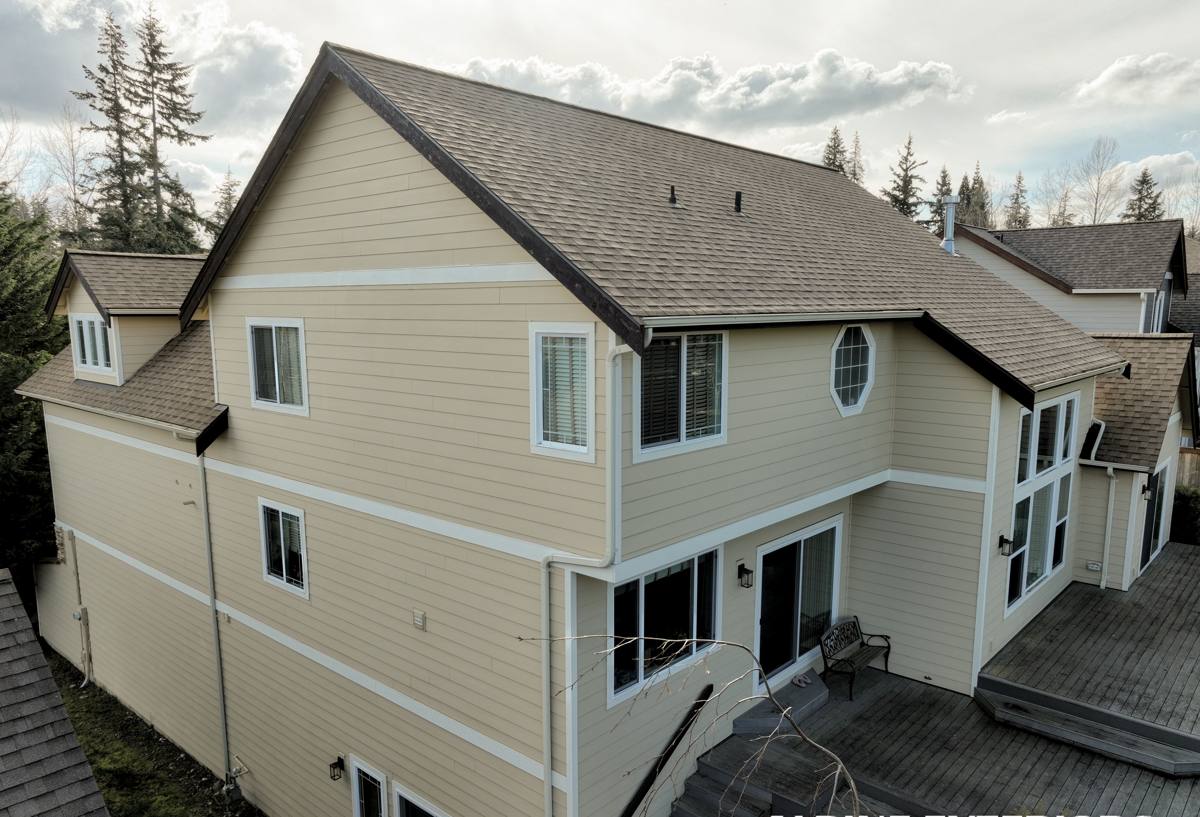
A deck is one of the most exposed structures on a home. It has no roof overhang to shield it, it sits low to grade where moisture collects, and every board and fastener is directly in the weather. In Belleair Bluffs, three factors combine to speed up wear compared to decks further inland.
Salt Air and Corrosion
Proximity to the Intracoastal means airborne salt settles on everything, including deck hardware. Fasteners, joist hangers, and structural connectors that aren't rated for coastal exposure corrode faster than their inland equivalents, and once a fastener weakens, the board or framing member it's holding starts to move — which accelerates wear on everything around it.
UV Exposure Year-Round
Florida doesn't give wood or composite decking an off-season. Constant UV breaks down the lignin in wood fibers and dries out the surface, leading to graying, splintering, and checking (splitting along the grain). It also fades and can embrittle lower-grade composite and PVC boards over years of exposure, even though those products are marketed as low-maintenance.
Wind and Wind-Driven Rain
Tropical systems bring sideways rain that gets pushed into places a normal rainstorm wouldn't reach — under railings, into ledger board connections, behind fascia. That moisture doesn't always dry out quickly, especially in shaded or low-airflow areas of a deck, which is exactly where rot and hidden fastener corrosion tend to start.
Common Deck Problems We See in This Area
Most of the repair calls we get in and around Belleair Bluffs fall into a few recurring categories. Recognizing them early is the difference between a repair and a full rebuild.
Fastener and Hardware Failure
Rusted or corroded screws, nails, and structural connectors are one of the most common issues we find, even on decks that otherwise look fine from a distance. Once fasteners let go, boards start to lift, squeak, or feel loose underfoot.
Wood Rot at Ledger Boards and Posts
The ledger board — where the deck attaches to the house — and the base of support posts are the two spots most likely to trap moisture. Rot here isn't cosmetic; it affects the structural connection holding the deck up, and it's often hidden until you probe the wood or remove a board.
Surface Damage: Cupping, Splintering, Fading
Wood boards that cup (curl at the edges) usually indicate uneven moisture absorption, often from a board that isn't drying evenly top to bottom. Splintering and graying are UV and weathering effects. These issues are usually cosmetic and safety-related rather than structural, but they're often the first visible sign that something underneath needs a closer look too.
Signs Your Deck Needs Repair
Not every issue means a full rebuild. Here's what we tell Belleair Bluffs homeowners to watch for between inspections:
- Boards that feel spongy, soft, or flex more than they used to
- Visible rust staining around screws, nails, or metal brackets
- Gaps opening up where the deck meets the house (ledger board separation)
- Wobbly or loose railings and posts
- Cracking, splitting, or splintering boards, especially near fasteners
- Standing water that doesn't drain between boards after rain
- Visible daylight or movement where structural framing connects
- A musty smell coming from underneath the deck
Any one of these on its own might be minor. Several together, or anything involving the framing or ledger connection, is worth having assessed before the next storm season rather than after.
Repair or Replace? What Actually Factors In
Homeowners often assume a deck with problems needs full replacement. In our experience, most decks we're called out for in this area can be repaired if the framing is sound. Replacement usually only makes sense when the structural bones are compromised.
| Factor | Repair Usually Makes Sense | Replacement Usually Makes Sense |
|---|---|---|
| Ledger board / house connection | Solid, no rot at attachment point | Rotted or improperly flashed connection |
| Support posts and footings | Sound wood, footings intact | Soft or rotted post bases, shifting footings |
| Decking boards | Isolated cupping, splintering, or a few damaged boards | Widespread rot or damage across most boards |
| Fasteners and hardware | Corrosion limited to surface hardware | Structural connectors failing throughout |
| Age of structure | Framing lumber still within useful service life | Original framing well past typical service life |
A proper inspection looks at the framing first, not just the surface boards, because that's what actually determines whether repair is a responsible option.
What a Correct Deck Repair Involves
Structural Framing and Connections
Before touching a single deck board, we check the ledger board attachment, the condition of joists and beams, and the posts and footings supporting the structure. Any rot, corrosion, or movement here gets addressed first — repairing the surface without fixing a compromised structural connection just hides the real problem.
Decking Boards and Fasteners
Damaged boards get replaced with material matched to the existing deck where possible, or upgraded if the homeowner wants a different product. Fasteners and hardware are a place we don't cut corners in this climate — we use fasteners and connectors rated for coastal, corrosion-prone conditions rather than standard interior-grade hardware, because the wrong fastener is often what caused the original problem.
Railings and Code Compliance
Loose or damaged railings and stair connections get rebuilt to current code, not just re-tightened. This matters for safety and also matters if you ever sell the home, since deck railing height and spacing are common items flagged in home inspections.
Our Deck Repair Process
- On-site inspection of the full structure — framing, fasteners, ledger connection, and surface boards, not just what's visible from the top
- Honest assessment of what's structural versus cosmetic, explained in plain terms before any work starts
- Written scope and estimate covering exactly what will be repaired or replaced
- Permitting where the scope of repair requires it under local building requirements
- Repair work: framing and connection fixes first, then decking, then railings and finish work
- Final walkthrough so you can see and feel the difference before we consider the job done
Materials We Use — and the Trade-Offs
There's no single "best" decking material for every situation. What matters is matching the material to how the deck is used, how much maintenance the homeowner wants to do, and the realities of this climate.
Pressure-Treated Wood
Pressure-treated lumber remains a solid, cost-effective choice for framing and is common for decking boards too. It requires periodic sealing or staining to perform well long-term in Florida's sun and humidity — skip that maintenance for a few years and UV and moisture cycling will show it. We're upfront about that maintenance commitment rather than downplaying it.
Composite Decking
Composite and capped polymer boards cut down on the sanding, staining, and splinter issues wood is prone to, which appeals to a lot of homeowners who want to spend less time maintaining a deck. The trade-off is a higher upfront material cost and, on lower-quality or older composite products, some fading and heat retention in direct summer sun. We'll walk through the honest pros and cons for your specific deck rather than pushing one product across the board.
Why Local Experience in Belleair Bluffs Matters
A contractor who mostly works inland, drier climates can miss the specific failure patterns that show up on a bluff-side deck exposed to salt air and Gulf-driven weather. Working regularly in Belleair Bluffs and the greater Clearwater area means we're familiar with how quickly corrosion sets in near the water, which fastener and hardware choices actually hold up, and what local permitting requires for structural deck repairs. That local familiarity shows up in fewer surprises during the job and a repair that's built for the conditions it will actually face, not generic conditions from a manual.
If your deck has any of the warning signs above, or you just want an honest opinion on its condition, we're happy to take a look. Request a free, no-pressure estimate using the form below and we'll walk the deck with you and tell you straight what it needs.