 Clearwater Siding
 Why Deck Replacement Looks Different in Oldsmar
Oldsmar sits along Old Tampa Bay in Pinellas County, and a lot of its homes back up to canals, open water, or low-lying yards that stay damp longer than inland properties do. That combination of water exposure, salt-laden air, and Florida's year-round sun puts more stress on a deck here than a similar structure would see a few miles inland. Add hurricane-season wind and wind-driven rain to the mix, and it's easy to see why decks in this part of the Clearwater area tend to show their age faster than homeowners expect.
Deck replacement done right in Oldsmar isn't just about pulling up old boards and putting down new ones. It means building a structure that's sized and fastened for the conditions this specific location throws at it — not a generic build that happens to look fine on installation day. This page covers what actually wears out a deck out here, what a correct replacement involves, and why working with a crew that already handles decks in this area matters more than it might seem.
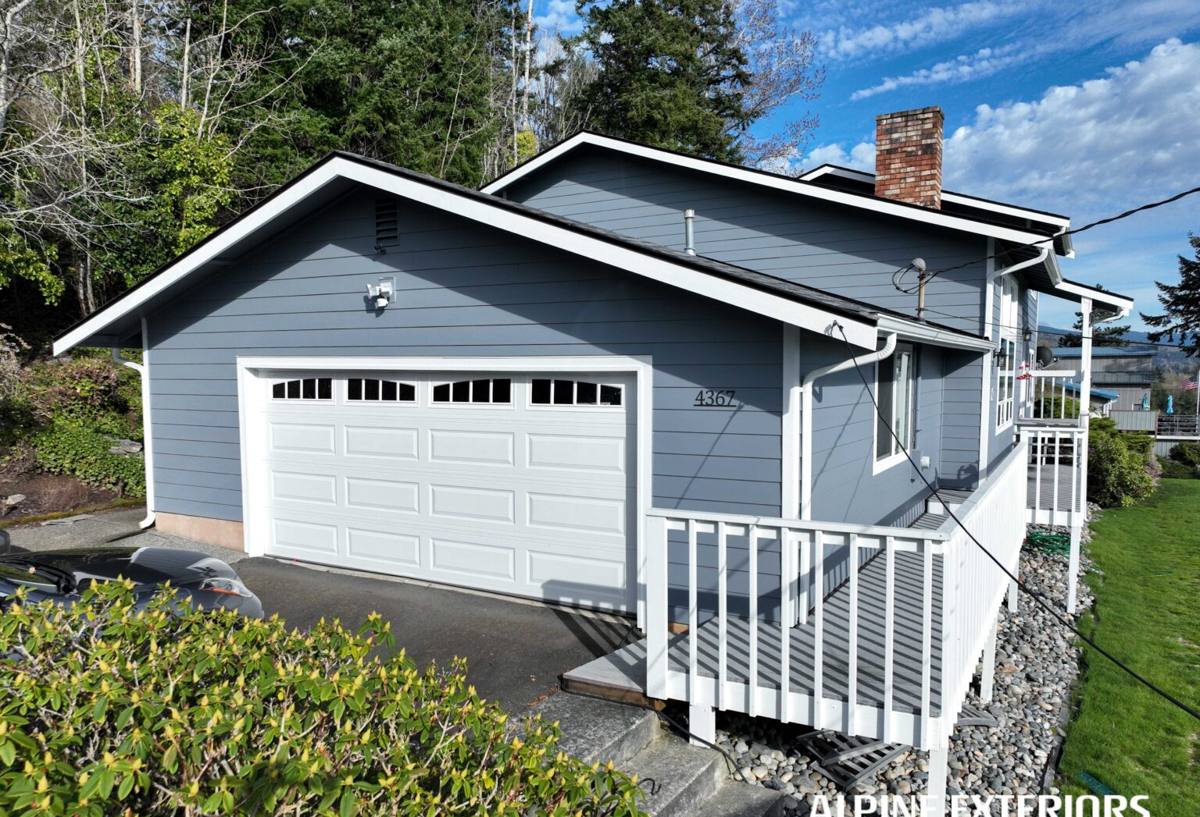
What Actually Wears Out a Deck Here
Salt Air and Hardware Corrosion
Homes near Old Tampa Bay deal with salt-laden air settling on every exposed surface, not just during storms. That air works on metal continuously — fasteners, joist hangers, and railing brackets corrode from the inside out well before rust shows up where you can see it. By the time a board feels loose or a railing has some flex to it, the hardware holding that section together has often already lost a meaningful amount of strength.
Intense, Year-Round UV
Florida gets some of the highest UV exposure in the country, and a deck surface takes that sun directly for most of the day with little relief. On wood, that means graying, splitting, and surface checking as the fibers break down. On composite or PVC decking, prolonged UV exposure can fade color and, on lower-grade products, degrade the surface layer over time. None of this happens overnight, but it adds up faster here than it does in less sun-intensive parts of the country.
Wind-Driven Rain and Storm Loads
Hurricane-force wind is a real design condition for anything built outdoors in Pinellas County, and it does more than just test a deck during the storm itself. Wind-driven rain gets pushed under railings, between boards, and into connection points that ordinary rainfall never reaches, which is part of why decks that "look fine" after a storm can still have loosened fasteners or shifted ledger connections that only show up on closer inspection.
Ground Moisture and Standing Water
A lot of Oldsmar's residential lots sit low and close to the water table, especially near canals or the bay itself, and the ground underneath a deck can stay damp for extended stretches after rain. That matters because the substructure — the posts, footings, and framing nobody sees from the yard — is doing all the structural work. Persistent ground moisture is one of the main reasons a deck's frame fails well before its surface boards look worn out.
Signs It's Time to Replace Rather Than Repair
Not every aging deck needs a full replacement, but there's a point where patching individual problems stops making sense and a rebuild becomes the more honest recommendation. That point usually shows up as some combination of the following:
- Soft or spongy spots in multiple areas of the decking, not just one isolated board
- Visible movement, leaning, or settling at more than one support post
- A ledger board connection that has shifted, gapped, or shows water staining at the house wall
- Corrosion at several joist hangers or connection points rather than a single hardware failure
- A deck built years ago to older code, with fastening or spacing that wouldn't meet current wind load requirements
- Repairs that have already been done more than once in the same area without solving the underlying problem
When damage is scattered across the structure rather than isolated to one spot, chasing it board by board usually costs more over time than a single, correctly built replacement.
Choosing Decking Material for This Climate
Material choice matters more here than in milder climates, because sun, humidity, and salt air all shorten the margin for error. There's no single right answer for every home, but the trade-offs are worth understanding before deciding.
| Material | Upfront Cost | Maintenance | Behavior in This Climate |
|---|---|---|---|
| Pressure-treated wood | Lowest | Highest — regular sealing/staining needed | Prone to graying, splitting, and checking under constant UV; needs consistent upkeep to last |
| Capped composite | Mid to upper-mid | Low — occasional cleaning | Resists moisture and fading well; quality varies by product line and cap thickness |
| PVC/cellular decking | Highest | Lowest | Fully resists rot and moisture absorption; performs well near water but can run hotter underfoot in direct sun |
We'll walk through these trade-offs honestly for your specific deck — how much sun it gets, whether it's shaded part of the day, and how close it sits to water — rather than steering every homeowner toward the same product regardless of their situation.
What a Correct Deck Replacement Actually Involves
Permitting and Code Requirements
Deck replacement in Oldsmar typically requires a permit, and the structure has to meet current Florida Building Code wind load and railing requirements — not the code that was in place whenever the old deck was originally built. Waterfront and canal-front lots can also involve additional review depending on setbacks. We handle the permitting process as part of the job rather than leaving it for the homeowner to sort out.
Footings and Framing Built for the Conditions
Footings need to be sized and set to handle both the structural load and the local soil and moisture conditions, and framing lumber and connectors should be rated for ground contact and coastal exposure, not standard-grade materials that weren't built for this environment. This is the part of a deck nobody sees once it's finished, and it's also the part that determines how long the whole structure actually lasts.
Hardware That Matches the Environment
Every fastener, hanger, and bracket on a coastal-area deck should be stainless steel or coastal-rated hardware, not the standard-grade fasteners that work fine inland but corrode faster here. This is one of the most common places a deck build either holds up for decades or starts showing problems within a few years.
Railings and Fall Protection
Railing height, baluster spacing, and attachment strength are code requirements, not optional details, especially on an elevated deck. We build these to current code regardless of what the previous structure had, since an old deck built under an earlier code cycle is not a valid reason to under-build the replacement.
Our Process, From Estimate to Finished Deck
- On-site assessment. We look at the existing structure, the ground conditions, sun and water exposure, and talk through what you actually want from the new deck.
- Material and layout discussion. We go over decking material options and any layout or size changes, with straight answers on cost and trade-offs.
- Permitting. We pull the required permit and handle inspections tied to the city and county requirements for the project.
- Removal and disposal. The old deck is torn out and hauled away, including checking what condition the ledger and immediate framing are in once it's exposed.
- Framing and structure. Footings, posts, joists, and the ledger connection are built to current code with coastal-rated hardware throughout.
- Decking, railing, and finishing. Surface material and railings go in last, followed by a final walkthrough before we consider the job done.
Maintaining a New Deck in This Climate
- Rinse the deck surface periodically to clear salt residue and organic buildup before it works into the material
- Keep gaps between boards clear of debris so water drains and air moves through underneath as designed
- Check railing posts and visible hardware a couple of times a year, especially heading into and coming out of storm season
- Reseal or refinish wood decking on a schedule shorter than you'd use inland, since UV exposure here is more intense
- Keep landscaping trimmed back from the deck edge so moisture and debris don't collect against the structure
- Address any movement, soft spots, or hardware corrosion right away rather than waiting for the next season
Why It Matters That We Already Work in Oldsmar
A crew that mostly builds decks well inland can still do solid work here, but Oldsmar's canal and bay-adjacent lots come with variables that show up more often on this kind of property than elsewhere in the Clearwater area — soil and moisture conditions near the water, wind exposure tied to open water frontage, and permitting details specific to waterfront setbacks. Working this area regularly means we're not learning those requirements mid-project. We know what footing depth and hardware grade actually hold up here, and what a permit reviewer in this part of Pinellas County is going to look for.
That familiarity also shows up in the estimate itself — a more accurate scope from the first visit, because the assessment accounts for how this specific environment behaves rather than applying a one-size-fits-all checklist built for a different climate.
Talk to Us About Your Deck
Whether your current deck has an obvious problem or you're just not sure it's going to make it through another storm season, we're glad to take a look and give you a straight read on where it stands. If replacement is the right call, we'll walk you through material options and what the process actually looks like for your property. Reach out below for a free, no-pressure estimate.