 Clearwater Siding
 Why Decks Near Downtown Clearwater Wear Out Faster
A deck built two blocks from the water lives a different life than one built inland. Homes in and around Downtown Clearwater sit close enough to Clearwater Harbor and the Gulf that salt-laden air is a daily fact of life, not an occasional nuisance. That salt settles into wood grain, works its way into fastener heads, and accelerates corrosion in anything metal that isn't rated for it. Add in Pinellas County's year-round UV exposure, regular wind-driven rain, and the real possibility of hurricane-force gusts during storm season, and you have a climate that is genuinely harder on outdoor structures than most of the country.
Decks take this abuse from every angle at once. The top surface bakes under direct sun for most of the year, board edges cup and check as they cycle between soaking rain and dry heat, and the substructure underneath stays damp longer than homeowners realize because airflow under a low deck is often limited. When a deck starts failing in this environment, it usually fails from the inside out — ledger boards, joists, and connectors go soft or rusty long before the surface boards look bad enough to worry anyone.
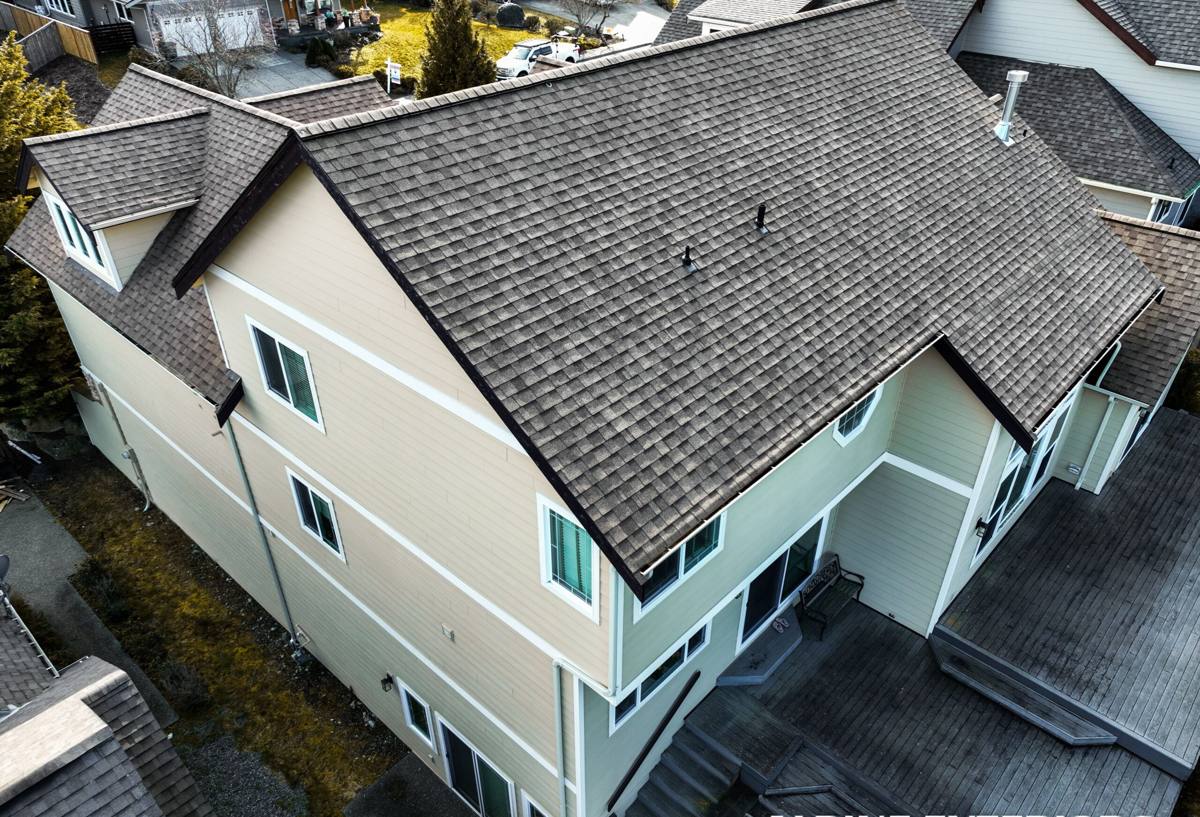
Signs a Deck Needs Replacement, Not Just Repair
Not every tired-looking deck needs to come out. But there's a point where patching boards is throwing money at a structure that's already lost its integrity. We look for a specific set of warning signs before recommending full replacement over repair.
- Soft, spongy, or bouncy spots in the decking or framing when you walk across it
- Visible rot or dark staining at the ledger board where the deck attaches to the house
- Rust streaking or crumbling around joist hangers, bolts, or screws
- Posts that wobble, have shifted, or show cracking near the base
- Railings that flex more than they should when leaned on
- Boards that have cupped, split, or pulled away from fasteners in multiple areas
- A deck older than 15-20 years that has never had the substructure inspected
If two or more of these show up, especially anything involving the ledger board or the framing underneath, repair is usually a short-term fix on a structure that's already compromised. Replacement lets us correct the underlying problems instead of rebuilding on top of them.
What a Correct Deck Replacement Actually Involves
A deck replacement done right is not just swapping old boards for new ones. It starts from the ground up, and in this climate, what's underneath the decking matters more than what's on top of it.
Structural Assessment First
Before we talk materials or color, we evaluate the ledger connection to the house, the footings, the posts, and the joist layout. In coastal Pinellas County soil and moisture conditions, footings that were undersized or shallow to begin with are common in older construction. If the footings or ledger attachment don't meet current code, we address that before a single new board goes down — no amount of premium decking fixes a structure that's unsound underneath.
Framing and Fastener Upgrades
Standard hot-dipped galvanized hardware corrodes faster near saltwater than most homeowners expect. For decks in this area, we use stainless steel or heavy-duty coated fasteners and connectors rated for coastal exposure, along with joist tape or flashing on framing members to keep moisture from sitting directly against the wood. This is the part of the job nobody sees once it's finished, and it's also the part that determines whether the deck lasts 10 years or 25.
Proper Drainage and Airflow
Decks that trap moisture underneath rot from the inside. We grade and space framing to encourage airflow and water runoff away from the house, rather than pooling under the deck where it will sit against wood and hardware indefinitely.
Decking Material Options for a Coastal Downtown Property
There's no single "best" decking material — there's a best fit for your budget, how much upkeep you want to do, and how close you are to the water. Here's how the common options actually compare in this specific climate.
| Material | Upfront Cost | Maintenance | Coastal Durability | Notes |
|---|---|---|---|---|
| Pressure-treated pine | Lowest | High — annual sealing recommended | Fair; needs consistent upkeep near salt air | Budget-friendly but the most upkeep-dependent option |
| Tropical hardwood | High | Moderate — periodic oiling | Good if maintained | Dense and attractive, but movement and cost vary by species |
| Capped composite | Moderate-High | Low | Very good | Resists moisture and fading well; wide color range |
| PVC decking | High | Lowest | Excellent | Fully synthetic; handles humidity and salt exposure with minimal degradation |
For homes close to the harbor, we generally steer clients toward capped composite or PVC decking for the surface boards. Not because wood is a bad product, but because our professional standard for this specific environment favors materials that don't depend on a strict maintenance schedule to hold up. A homeowner who travels, rents the property out, or simply doesn't want a recurring sealing chore is often better served by a material that shrugs off humidity and UV without annual attention. That's a maintenance and lifestyle trade-off, not a knock on wood as a product.
Framing Material Still Matters
Even with composite or PVC decking on top, the substructure underneath is almost always pressure-treated lumber. Composite surface boards don't eliminate the need for correctly treated, properly fastened framing — they just change what you're maintaining on the surface.
Railings, Fasteners, and the Details That Get Skipped
Railings take direct wind load during storms and constant hand contact the rest of the year, which means the hardware holding them matters as much as the railing style itself. Loose or corroded railing posts are one of the most common issues we find on decks that otherwise look fine from a distance. We check post attachment methods, baluster spacing against current code, and fastener condition as a standard part of every replacement — not as an upsell.
Fastener choice deserves its own mention because it's invisible once the job is done but directly determines how long the deck lasts. Standard interior-grade screws and connectors will rust within a few seasons this close to the Gulf. We use fasteners and structural connectors rated for coastal or marine-grade exposure throughout, including anywhere metal contacts treated lumber.
Our Deck Replacement Process
Homeowners in Downtown Clearwater are usually juggling a live household or a rental schedule, so we keep the process straightforward and predictable.
- On-site assessment: We inspect the existing deck, ledger, footings, and framing to determine the real scope — not just the surface condition.
- Written estimate: You get a clear breakdown of material options, structural work needed, and total cost before anything is scheduled.
- Permitting: We handle the permit application and coordinate required inspections with the city or county, so you're not chasing paperwork.
- Demolition and disposal: The old deck comes out and is hauled off; we protect landscaping and adjacent structures during removal.
- Framing and structural correction: Footings, posts, joists, and ledger connections are rebuilt or corrected to current code before decking goes down.
- Decking, railing, and finish work: Surface material and railings are installed per manufacturer specs, with attention to fastener pattern and spacing.
- Final walkthrough: We go over the finished deck with you and confirm everything passed inspection before calling the job done.
Permits and Code Requirements in Pinellas County
Deck replacement in Clearwater and throughout Pinellas County requires a permit in most cases, particularly when the structure involves attachment to the home, new footings, or elevated railings. Skipping the permit process might save a few days upfront, but it creates real problems later — unpermitted decks can complicate home sales, insurance claims, and future renovation work. We pull the required permits as part of the job and schedule the inspections that go with them, so the finished deck is documented as code-compliant, not just built to look right.
Wind load requirements are also a real factor here, not a formality. Railing attachment, post-to-footing connections, and ledger fastening all have to hold up to regional wind standards, and inspectors in this area check for it. A deck that's only built to "look sturdy" can fail that review, which means redoing work that should have been done correctly the first time.
Deck Replacement Checklist for Downtown Clearwater Homeowners
- Confirm the ledger board and its attachment to the house are structurally sound, not just cosmetically painted over
- Ask what grade of fastener and hardware will be used — coastal-rated hardware should be standard this close to the water, not an upgrade
- Get the permit and inspection process spelled out in writing before work starts
- Compare decking materials on maintenance commitment, not just sticker price per square foot
- Check that railing height and baluster spacing will meet current code, especially if the old deck predates recent code updates
- Ask how footings will be sized and set given the local soil and drainage conditions
- Confirm a clear timeline, including how weather delays during storm season will be handled
Why a Crew That Already Works Downtown Clearwater Matters
A deck replacement is only as good as the judgment behind the fastener choices, the footing depth, and the material recommendations — and that judgment is sharper when a crew has already worked through the specific conditions of this area. A contractor who mainly builds decks well inland may default to standard hardware and standard framing details that hold up fine in a drier, calmer climate but underperform once they're a short walk from Clearwater Harbor. Working repeatedly in this specific pocket of Pinellas County means we're not guessing at how salt air, storm wind, and constant sun exposure interact with a given material — we've seen how each one actually performs here over time.
It also means fewer surprises during permitting. Familiarity with how Clearwater and Pinellas County inspections run, what documentation they expect, and what wind-load details they check keeps the process moving instead of stalling on avoidable back-and-forth.
Get an Honest Look at Your Deck
If your deck is showing soft spots, rust, or wobble, or you just want an honest opinion on whether it's a repair or a full replacement, we're glad to take a look. Reach out for a free, no-pressure estimate using the form below — we'll walk the deck with you, explain what we find, and lay out real options before any work is scheduled.