 Clearwater Siding
 Why Dunedin Roofs Take a Beating
Dunedin sits right up against the Gulf, and that location cuts both ways. It's part of what makes the area a great place to live, but it also means local roofs deal with a tougher combination of stressors than homes further inland. Hurricane season runs from June through November, and even when a storm doesn't make a direct hit, Dunedin often catches tropical-storm-force wind gusts, squall lines, and heavy wind-driven rain from systems passing well offshore. Add in Florida's year-round UV exposure, which slowly bakes the oils out of asphalt shingles and makes them brittle, and salt-laden air that accelerates corrosion on fasteners, flashing, and vents, and you end up with roofs that age faster and fail differently than roofs in drier, cooler climates.
None of that means every Dunedin roof is doomed to constant repairs. It does mean that storm damage here needs to be evaluated by someone who understands how wind, salt, and sun work together on a Pinellas County roof, not treated as a generic patch job. A repair that would hold up fine in a low-wind, low-UV climate can fail here within a season or two if it's not done correctly.
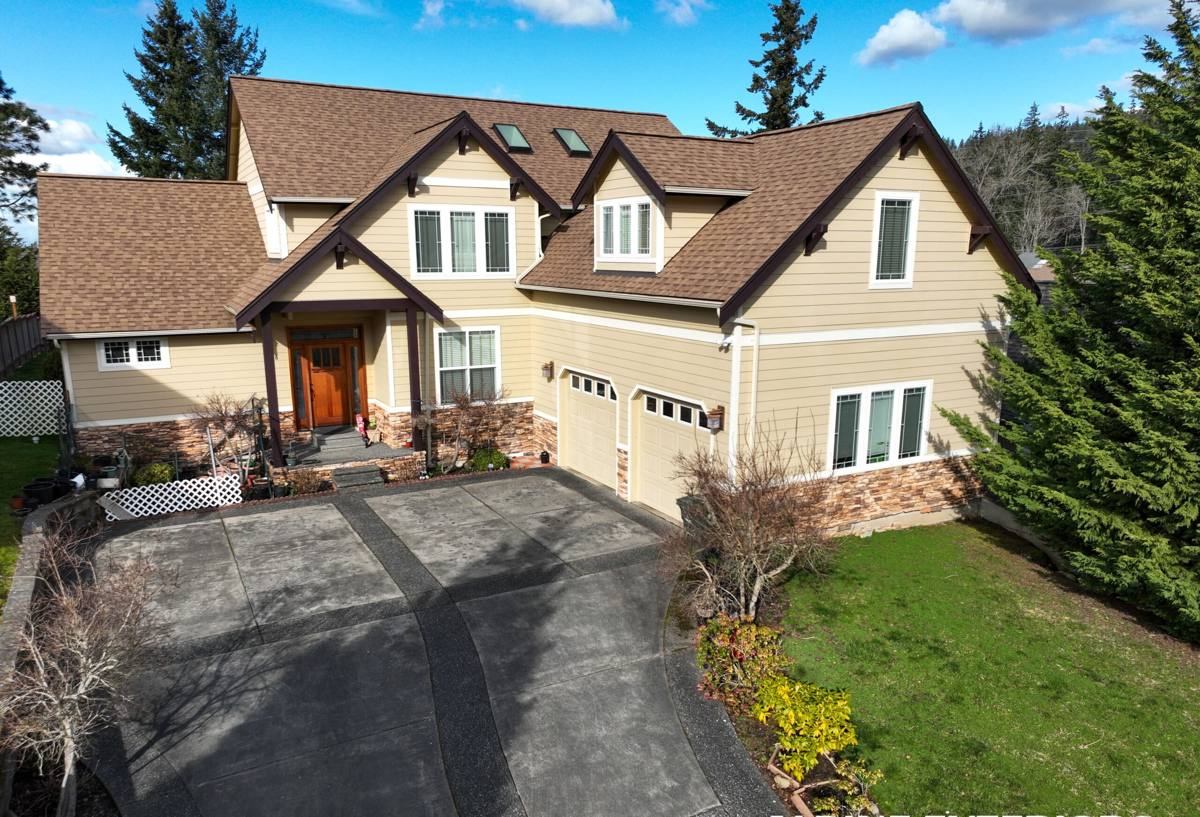
Common Types of Storm Damage We See on Dunedin Roofs
Storm damage isn't always as obvious as a missing shingle. Some of the most common issues we find on Dunedin homes after wind events include:
- Wind uplift along ridges, hips, and roof edges, where suction forces are strongest
- Shingles that have been creased or lifted without fully detaching, breaking their seal
- Granule loss from wind-driven rain and hail impact, which exposes the shingle's asphalt layer to UV
- Damaged or lifted flashing around chimneys, skylights, and roof penetrations
- Punctures and dents from wind-blown debris, including palm fronds and tree limbs
- Underlayment saturation where wind-driven rain forced water sideways under lifted shingles
- Soffit and fascia damage at the roofline, which lets moisture and pests into the attic
The tricky ones are the middle three. A lifted shingle that reseals on its own, or flashing that's bent but still mostly in place, can look fine from the ground while quietly letting water into the roof deck every time it rains. That's how a single storm turns into months of slow, hidden damage before anyone notices a stain on the ceiling.
Signs Your Roof Needs a Storm Damage Inspection
After any significant wind event, it's worth doing a quick check before assuming everything is fine. Look for:
- Missing, torn, or visibly curled shingles when viewed from the ground or a neighbor's second story
- Granules collecting in gutters, downspouts, or at the base of downspout splash blocks
- Water stains, discoloration, or sagging on interior ceilings, especially near exterior walls
- Daylight visible through the roof deck when looking up from inside the attic
- Musty odors in the attic or upper floors, which can indicate trapped moisture
- Bent, lifted, or missing flashing around chimneys, vents, and skylights
- Dents or impact marks on gutters, vents, or metal roof components
If you notice any of these, it's better to have it looked at soon rather than waiting for a bigger storm to make the damage worse. A roof with a small compromised area can usually be repaired quickly and affordably. The same damage left through another storm season often turns into a much larger job.
What a Correct Storm Damage Repair Actually Involves
A rushed storm repair — a few new shingles slapped over a damaged area with some extra sealant — might stop a leak temporarily, but it rarely holds up to the next hurricane season. A repair done right addresses what's underneath the surface, not just what's visible.
Decking and Structural Check
Before any new material goes down, the roof deck itself needs to be checked for soft spots, delamination, or water damage. Plywood or OSB decking that's absorbed moisture won't hold fasteners properly, and shingles installed over compromised decking will fail again regardless of how well the shingle work is done.
Underlayment
The underlayment is the roof's backup waterproofing layer, and in a climate with regular wind-driven rain, it matters as much as the shingles themselves. Any section that's been saturated or torn needs to be replaced, not just covered over. Synthetic underlayment generally handles Florida humidity and heat better than older felt products, resisting the wrinkling and tearing that can happen with repeated wet-dry cycles.
Flashing Details
Flashing around chimneys, skylights, vent pipes, and roof-to-wall transitions is one of the most common failure points in wind storms, and one of the most commonly rushed during quick repairs. Proper flashing repair means re-forming or replacing the metal, resealing it correctly, and making sure it integrates with the surrounding shingles rather than just being caulked over.
Matching Materials
Whenever possible, we match shingle color, profile, and, where relevant, manufacturer product line so a repaired section doesn't stand out from the rest of the roof. Sun-faded roofs can make an exact match difficult on older roofs, and we'll always tell you honestly if a perfect match isn't realistic before starting the work.
Our Process From Call to Completed Repair
Inspection and Documentation
We start with a full roof inspection, not just a look at the obvious damage. That includes checking the attic from inside where accessible, since interior signs of moisture often tell us more about the extent of damage than what's visible from the roof surface. We document everything with photos, which is useful both for our own repair planning and for any insurance claim you may file.
Temporary Protection
If a storm has left your roof actively leaking or exposed, protecting the interior of your home comes first. Temporary tarping or sealing buys time to plan the permanent repair correctly instead of rushing it, and it limits further water damage to decking, insulation, and ceilings in the meantime.
The Repair Itself
Once we know the full scope, we walk you through what needs to happen and why, including which sections need decking, underlayment, flashing, or shingle work. We don't upsell repairs a roof doesn't need, and we also won't recommend a patch if the damage is extensive enough that a patch won't actually solve the problem.
Final Walkthrough and Warranty
After the repair is complete, we walk the job with you, explain what was done, and stand behind the workmanship. Materials carry their manufacturer warranties, and we're upfront about what our own workmanship coverage includes before any work starts.
Repair or Replace? How We Help You Decide
Not every storm-damaged roof needs to be replaced, and not every roof can be patched indefinitely. The right call depends on the roof's age, the extent of damage, and how many prior repairs it's already had.
| Factor | Leans Toward Repair | Leans Toward Replacement |
|---|---|---|
| Roof age | Under 12-15 years, condition otherwise good | Near or past expected shingle lifespan |
| Extent of damage | Localized to one section or slope | Widespread across multiple slopes |
| Underlayment/decking | Intact outside the repair area | Saturated or deteriorated in multiple spots |
| Repair history | First or second repair | Recurring repairs in different areas |
| Material availability | Matching shingles still obtainable | Discontinued product, poor match likely |
We'll give you an honest read on where your roof falls, including telling you when a repair is the smarter financial choice even if a replacement would be more profitable for us. A roof with years of life left doesn't need to be torn off early.
Navigating Insurance Claims
Most storm damage repairs in this area involve a homeowner's insurance claim at some point, and the process goes more smoothly when the damage is documented properly from the start. We provide detailed photos and a written scope of the damage we find, which you can submit with your claim or share with your adjuster. We're happy to be on-site when an adjuster visits to point out damage that isn't easy to see from the ground, such as lifted flashing or cracked pipe boots.
We don't handle the claim itself or negotiate with your insurer on your behalf — that's between you and your insurance company — but we make sure the physical evidence of the damage is thoroughly documented so you're working from accurate information either way.
Cost Factors in Storm Damage Roof Repair
Storm repair costs vary widely depending on what's actually damaged, so we don't publish flat pricing — every roof is different. That said, these are the main factors that drive cost up or down on most jobs:
| Factor | Why It Matters |
|---|---|
| Size of damaged area | Larger sections require more material and labor time |
| Decking condition | Replacing rotted or water-damaged plywood adds material and labor |
| Roof pitch and access | Steeper roofs and difficult access require more safety setup and time |
| Flashing complexity | Chimneys, skylights, and multiple penetrations add detail work |
| Material match | Discontinued or specialty shingles can cost more to source |
| Number of stories | Additional equipment and time for multi-story access |
We provide a written estimate before any work begins, broken down clearly enough that you can see exactly what you're paying for and why.
Why a Crew That Already Works Dunedin Matters
Roofing crews unfamiliar with the Tampa Bay area sometimes treat storm repair as a generic patch job, using materials and methods suited to milder climates. A crew that regularly works Dunedin and the surrounding Clearwater area knows how local wind exposure, salt air, and intense sun load affect fastener choice, flashing details, and underlayment selection. We also know which roofing styles and pitches are common in this part of Pinellas County and how prior repairs on similar homes have held up over time, which helps us spot recurring problem areas before they become emergencies.
Just as importantly, we're not driving in from out of the region after a major storm, doing quick work, and then disappearing when a warranty question comes up. If something about a repair needs attention down the road, we're still here.
Ready for an Honest Look at Your Roof?
If a recent storm has you wondering whether your roof needs attention, we're glad to come take a look. The estimate is free, there's no pressure to move forward, and you'll get a straight answer about whether you're looking at a repair, a replacement, or nothing at all. Fill out the form below to get started.