 Clearwater Siding
 Dunedin's Climate Puts Real Stress on Windows
Dunedin sits close enough to the water that its homes take on the same weather load as the rest of coastal Pinellas County: long stretches of intense UV, salt-laden air drifting in off the Gulf, wind-driven rain that finds any gap in a poor seal, and the occasional direct hit of hurricane-force wind. None of that is unique to any one street or neighborhood here — it's the baseline condition for every window on every wall facing the weather in this part of Florida. Windows that were installed correctly for a drier, calmer climate elsewhere often don't hold up the same way once they're put through a Gulf Coast summer and hurricane season back to back.
UV exposure breaks down vinyl frames and glazing seals faster than most homeowners expect, leaving frames chalky or brittle years before they'd fail in a shadier climate. Salt air is corrosive to hardware, screws, and aluminum components that aren't rated for coastal exposure. Wind-driven rain doesn't need a storm to get in — a stiff afternoon squall pushing water sideways into a window with a failing seal or poor flashing will find its way behind the frame over time. And when a named storm does come through, the window and its installation are what stand between your interior and whatever the wind is carrying.
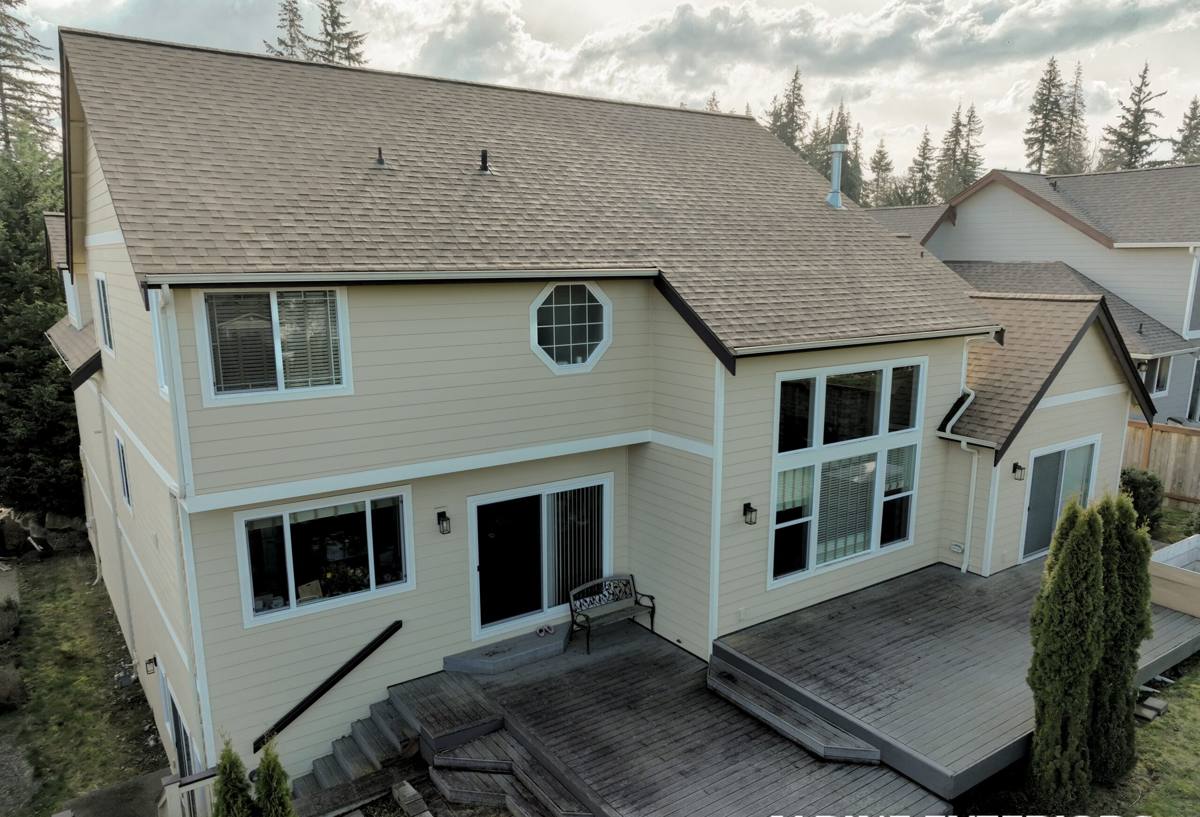
What a Correct Window Installation Actually Involves
A window is only as good as the work that goes into putting it in the wall. We see plenty of homes where the window itself is a decent product, but the installation is what's failing — poor flashing, missing shims, sealant used to cover a gap instead of proper fastening. Here's what we consider non-negotiable on every job.
Removing the Old Window and Inspecting the Opening
Before a new window goes in, we open up the rough opening and look at what's actually there: the condition of the framing, whether there's rot or water staining from a past leak, and whether the opening is square and plumb. Skipping this step is how hidden problems get sealed behind a brand-new window, only to resurface later as a bigger repair.
Flashing and Water Management
Flashing is the layer that directs water away from the wall assembly if it ever gets past the window itself. In a climate with regular wind-driven rain, this isn't optional trim work — it's the difference between a window that stays dry inside the wall cavity and one that slowly rots the framing around it. We flash the sill, jambs, and head in the correct order so water sheds outward, not into the structure.
Fastening and Shimming for Wind Load
A window has to be shimmed so it's plumb, level, and square, then fastened according to the manufacturer's installation instructions — which, for coastal Florida, are written around real wind load requirements. Under-fastening is one of the most common corners cut in a rushed installation, and it's the kind of shortcut that doesn't show up until a high-wind event tests it.
Sealing Without Trapping Moisture
Sealant belongs on the exterior to keep bulk water out, but the assembly also needs a way for any moisture that does get in to escape. Sealing a window airtight on both the inside and outside without the right flashing and drainage plan can trap water in the wall instead of keeping it out — a mistake that often isn't discovered until there's visible damage.
Signs Your Dunedin Home's Windows Are Overdue for Replacement
Window failure in this climate is usually gradual, and homeowners often adjust to small problems without realizing they've become the new normal. Some signs worth taking seriously:
- Fogging or condensation between panes of double-pane glass, meaning the seal has failed
- Frames that feel soft, chalky, or have visible cracking from UV exposure
- Windows that are noticeably harder to open, close, or lock than they used to be
- Drafts or a whistling sound during windy conditions
- Water staining on the interior wall or sill after rain, especially wind-driven rain
- Visible daylight or gaps around the frame when the window is closed
- A noticeable jump in cooling costs without another clear cause
How We Approach Window Installation in Dunedin
Our process is the same one we'd want used on our own homes — no shortcuts, and nothing covered up behind a new frame.
- On-site assessment. We look at every window opening individually — sun exposure, wind exposure, current condition, and any signs of past water intrusion.
- Product recommendation based on the specific opening. Not every window on a house needs the same spec; a west-facing wall with full sun exposure has different needs than a sheltered side yard.
- Removal and opening inspection. Old windows come out carefully, and we check the framing underneath before anything new goes in.
- Repair of any hidden damage. If we find rot, past water damage, or a compromised opening, we address it before installing — not after.
- Installation to manufacturer and code specifications. Proper flashing, shimming, fastening, and sealing, in that order.
- Final inspection and walkthrough. We check operation, seal, and finish on every window before we consider the job done.
Frame Materials: What Holds Up on the Gulf Coast
Frame material matters more here than in a lot of the country, because UV and salt air will expose a poor match between material and climate faster than almost anywhere else.
| Material | Coastal Performance | Maintenance | Typical Trade-Off |
|---|---|---|---|
| Vinyl | Good UV-stabilized options available; can soften or discolor over time in lower-grade products | Low | Quality varies widely between grades — this is where corners get cut |
| Aluminum | Strong but prone to corrosion near salt air unless properly coated | Moderate | Conducts heat and cold more than other frame materials |
| Fiberglass | Very stable in heat and UV, resists warping | Low | Higher upfront cost than standard vinyl |
| Wood (clad) | Attractive but vulnerable to moisture and salt air if the cladding is compromised | Higher | Best suited to sheltered exposures, not direct coastal weather |
We're upfront with homeowners about these trade-offs rather than pushing one material for every situation. The right choice depends on the exposure of that specific opening, your budget, and how much long-term maintenance you want to take on.
Impact-Rated Glass and Wind Zone Requirements
Pinellas County falls within Florida's wind-borne debris region, which is why impact-rated windows or approved shutter protection come up so often in replacement projects here — not as an upsell, but as part of what current Florida Building Code expects in coastal wind zones, particularly for larger renovation projects or new installations. Impact-rated windows use laminated glass with an interlayer that holds together under impact instead of shattering outward, which matters both for storm debris and for basic safety.
Impact glass isn't only a storm feature. It also blocks a significant amount of UV transmission and cuts exterior noise, which homeowners near busier roads or with west-facing exposure often notice immediately. The trade-off is cost — impact-rated units cost more upfront than standard insulated glass, and not every opening on a house necessarily needs the same rating, depending on exposure and local permitting requirements. We'll walk through what applies to your specific project rather than assuming a blanket answer.
Cost Factors for Window Installation
We don't publish fixed pricing because every home and every opening is different, but these are the real factors that move the number:
| Factor | Why It Affects Cost |
|---|---|
| Window size and quantity | Larger openings and whole-house projects change material and labor totals |
| Impact rating vs. standard glass | Impact-rated units carry a higher material cost per window |
| Frame material | Fiberglass and higher-grade vinyl cost more than entry-level vinyl |
| Condition of the existing opening | Hidden rot or past water damage adds repair work before installation |
| Number of stories | Second-story and hard-to-access openings take more time and equipment |
| Permitting | Most window replacement in this area requires a permit, which adds a fixed cost and timeline |
Broadly, homeowners should expect a wide range depending on how many of these factors apply — a single standard-glass replacement costs far less than a whole-house impact-rated upgrade. We'll give you a specific number for your home after the on-site assessment, not a generic estimate over the phone.
Why a Crew That Already Works Dunedin Matters
Window installation done wrong doesn't usually show its problems on day one — it shows up in a leak two years later, a failed seal after one too many summers, or a frame that doesn't hold up the first time a real storm rolls through. A crew that regularly works in and around Dunedin and the rest of the Clearwater area already understands the exposure conditions specific to this part of the Gulf Coast: how much sun a given orientation actually takes, how wind-driven rain behaves against a wall during a squall, and what permitting and inspection process to expect locally. That local familiarity translates directly into fewer surprises during the job and a longer-lasting result once it's done.
It also means accountability. A contractor who works this area consistently has a reason to get it right the first time and to stand behind the work afterward — reputation in a local market isn't abstract, it's the next referral or the next call from a neighbor.
Caring for New Windows After Installation
New windows installed correctly should need very little from you, but a small amount of upkeep extends their life significantly in this climate:
- Rinse frames and glass periodically to remove salt residue, especially after storms
- Check exterior sealant annually for cracking or separation and have it addressed promptly
- Lubricate locks and tracks occasionally to keep hardware operating smoothly in humid conditions
- Trim back vegetation that holds moisture against frames or blocks airflow
- After any major storm, do a visual check for new gaps, cracked seals, or water staining inside
If you're noticing any of the warning signs above, or you just want an honest read on whether your current windows are holding up the way they should, we're glad to come take a look. Fill out the form below for a free, no-pressure estimate — we'll assess your home's specific exposure and give you a straight answer, not a sales pitch.