 Clearwater Siding
 Board & Batten Siding in Harbor Oaks
Harbor Oaks is one of Clearwater's older, more architecturally distinctive neighborhoods — a mix of established homes with real character, set under a heavy tree canopy just a short distance from Clearwater Harbor. Board and batten siding shows up on a lot of these homes, whether as a full exterior treatment or as an accent on a gable, porch, or addition. The vertical lines and crisp shadow pattern created by the battens give a home a tailored, custom look that flat lap siding doesn't replicate.
That look only holds up if the material and the installation behind it are built for what this part of Pinellas County actually throws at a house. We install board and batten siding for Harbor Oaks homeowners exclusively in James Hardie fiber cement, and this page walks through why — what the climate demands, what correct installation involves, and what our process looks like from first estimate to final inspection.
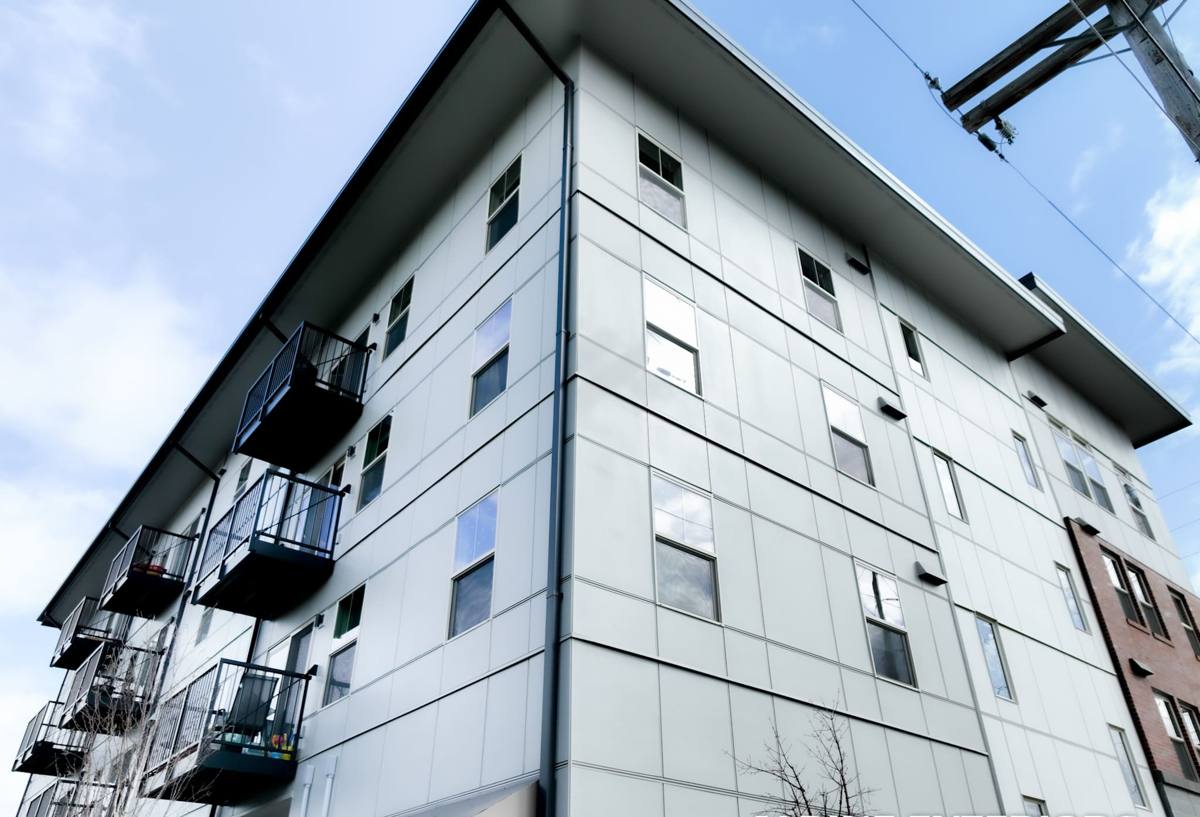
What Clearwater's Climate Demands From Vertical Siding
Board and batten is a more exposed siding system than standard lap siding. Every seam, every batten edge, and every fastener line is a potential entry point for water or a weak point under wind load if it isn't detailed correctly. In Harbor Oaks, that exposure meets four specific stressors.
Hurricane-Force Wind
Wide, flat panels and vertical boards catch wind differently than narrow horizontal lap boards. Fastening pattern, panel thickness, and batten attachment all matter more here than on a standard lap job — an under-fastened board and batten wall is one of the first things to fail in a storm, and the repair is rarely a quick patch.
Year-Round UV
Central Florida sun doesn't take an off-season. Painted wood and many engineered wood products chalk, fade, and need repainting well before their siding is otherwise due for replacement. A factory-applied finish rated for this UV load protects the investment, not just the color.
Wind-Driven Rain
Afternoon storms in Clearwater don't fall straight down — they come in sideways, and vertical board and batten siding channels water differently than horizontal lap. Every batten needs a water path that gets moisture back out, not trapped behind the board where it can sit against sheathing.
Salt Air
Harbor Oaks' proximity to the water means airborne salt is a constant, low-level presence working on every exposed metal component — fasteners, flashing, trim caps. Materials and hardware that aren't rated for it corrode years ahead of schedule, often invisibly, until a board comes loose.
Why Board & Batten Is Not a Forgiving System to Install
Board and batten looks simple — vertical boards, battens over the seams — but it's less forgiving of shortcuts than lap siding, because there's more overlap of materials and more fastening points concentrated in a smaller area.
Batten Fastening and Furring
Battens have to be fastened through to framing or proper furring, not just into the panel or sheathing behind them, or they'll work loose under wind load and pull the panel with them. Spacing between battens and fastener spacing along each batten both need to follow the manufacturer's engineering, not a "close enough" eyeball pattern.
Moisture Management Behind the Boards
A correctly built board and batten wall includes a drainage plane behind the siding — house wrap or building paper, properly lapped and flashed, with a way for any water that gets behind the boards to drain back out rather than sit against the wall. Skip this step and even the best siding material will eventually show rot or staining at the sheathing, regardless of what's fastened to the outside.
Why We Only Install James Hardie for Board & Batten
We don't offer board and batten in vinyl, LP SmartSide, primed wood, or cedar. That's a deliberate standard, not a limitation of what we're capable of installing.
HardiePanel Vertical Siding and Batten Systems
James Hardie's vertical panel products are engineered specifically for board and batten and vertical-reveal applications — built as fiber cement, so they don't carry the moisture sensitivity of wood-based panels or the heat expansion and impact vulnerability of vinyl. Paired with Hardie's fiber cement battens or matched trim, the whole wall is a single, climate-rated system rather than a mix of materials with different lifespans.
ColorPlus Factory Finish and HZ5 Engineering
Hardie's ColorPlus finish is baked on in a controlled factory process and holds color far longer under intense UV than field-applied paint, with a finish warranty to back it. Hardie also engineers its products by climate zone — HZ5 for the Gulf Coast — which accounts for the humidity and moisture cycling this region sees, something a one-size-fits-all siding product doesn't do.
Board & Batten Materials Compared
| Material | Moisture Behavior | UV/Fade Resistance | Wind & Impact Durability | Long-Term Upkeep |
|---|---|---|---|---|
| James Hardie Fiber Cement | Won't rot or swell; engineered drainage detailing | ColorPlus factory finish, minimal fading | Non-combustible, rated for high-wind installation | Occasional rinse; no repainting cycle |
| Primed Wood / Cedar | Absorbs moisture, prone to rot at battens and seams | Fades and chalks under Florida sun | Softer material, more prone to storm damage | Repainting and caulk maintenance every few years |
| LP SmartSide | Engineered wood core, vulnerable if seams fail | Factory finish fades faster than fiber cement | Lighter, less impact-resistant than fiber cement | Moderate — seam and edge inspection needed |
| Vinyl Board & Batten | Doesn't rot, but traps moisture behind if not vented | Fades and becomes brittle over time in strong UV | Can crack, warp, or blow off in high wind | Low upkeep but shorter realistic lifespan |
Our Harbor Oaks Board & Batten Process
Every job starts with an honest look at the specific house, not a generic package.
- On-site assessment — we check the existing wall assembly, sheathing condition, and any moisture or rot already present, especially around windows, corners, and roof lines where board and batten walls take the most punishment.
- Design and layout — batten spacing and panel layout are planned to match the home's proportions and existing architectural lines, not just applied in a standard grid.
- Weather barrier and flashing — house wrap, window and door flashing, and drainage detailing go in before a single piece of siding is installed.
- Panel and batten installation — fastened to manufacturer spec for wind zone, with attention to fastener spacing at every batten and panel edge.
- Trim, caulking, and finish check — corners, penetrations, and transitions are sealed and inspected before we call the job complete.
What a correct board and batten installation includes, at minimum:
- Properly lapped and sealed weather-resistant barrier behind every panel
- Flashing at all windows, doors, and roof intersections
- Battens fastened through to framing or code-compliant furring, not just the panel face
- Fastener spacing and type matched to Hardie's high-wind installation instructions
- Corrosion-resistant fasteners and trim hardware suited to a coastal environment
- Factory-finished panels and battens, not field-primed and painted on site
Maintaining Board & Batten Siding on the Gulf Coast
Fiber cement board and batten is low-maintenance, not no-maintenance. A periodic rinse to clear salt residue and organic buildup, an annual walk-around to check caulk lines at trim and penetrations, and prompt attention to any dented or displaced board keep the system performing as designed. Because the finish is factory-applied, you're not on a repainting schedule the way you would be with wood — but the caulk joints and flashing details are still the parts of the system that age first and are worth a homeowner's occasional attention.
Why Hire a Crew That Already Works in Harbor Oaks
Board and batten on an older, architecturally distinctive home isn't a cookie-cutter job. Tree canopy affects staging and access, existing wall assemblies vary more than in a newer subdivision, and getting the batten layout to sit right on a home with real architectural detail takes judgment, not just a spec sheet. A crew that has already worked in this neighborhood knows what to expect from the housing stock here — how older sheathing typically behaves, where moisture problems tend to hide, and how to keep a board and batten design looking intentional rather than applied.
That local experience, combined with installing a single, climate-engineered product line rather than juggling multiple manufacturers' specs, is what keeps a board and batten job looking right and performing right for decades in a Gulf Coast environment.
If you're considering board and batten siding for a home in Harbor Oaks, we're glad to take a look and talk through what it would involve for your specific house. Reach out for a free, no-pressure estimate using the form below.