 Clearwater Siding
 Custom Windows Built for Harbor Oaks
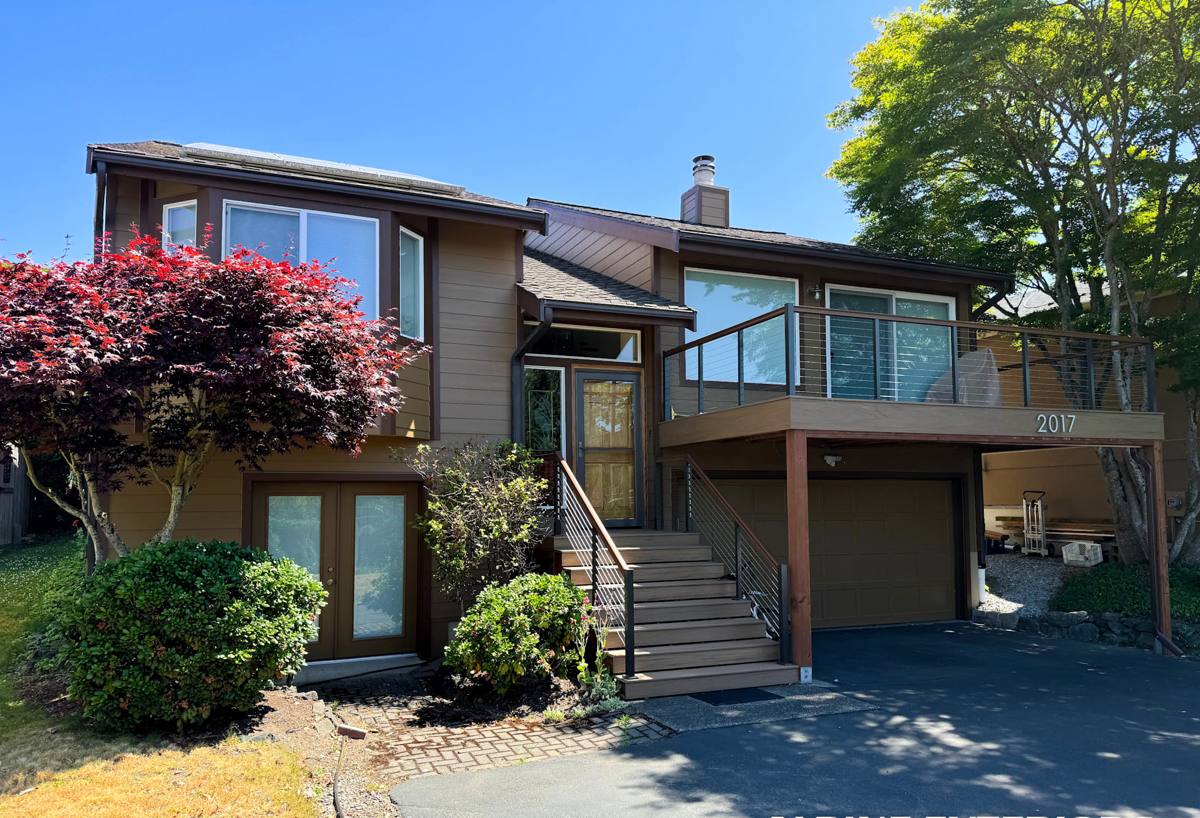
Harbor Oaks sits among Clearwater's older, established neighborhoods, and a lot of the homes there were built well before modern hurricane codes and energy standards existed. That's part of the charm — mature landscaping, generous lots, real architectural character. But it also means the windows in a lot of these homes are working against the house rather than for it: original single-pane sashes, aluminum frames that have pitted and corroded, or a mismatched patchwork of replacements installed over the decades by whoever owned the house at the time. Custom windows aren't just about looks in a neighborhood like this. They're about getting a window that actually fits the opening, matches the age and style of the home, and holds up to what Pinellas County weather does to glass and frames year after year.
We work in Harbor Oaks regularly, which matters more than it sounds like. Older homes in this part of Clearwater often have non-standard rough openings, plaster or block wall construction, and trim details that a big-box crew installing standardized replacement sizes will either ignore or damage. Custom windows means the unit is built to the actual opening and finished to match the house, not the other way around.
What Clearwater's Climate Does to Windows
Every window on a Harbor Oaks home is dealing with the same four things, all at once, all year:
- Hurricane-force wind loads — Pinellas County sits directly in the path of tropical systems, and building code here requires windows rated to resist wind pressure and, in many cases, wind-borne debris impact.
- Wind-driven rain — Florida storms don't just fall straight down. Rain gets pushed sideways into frames and seals under pressure, which is where most leaks actually start.
- Intense, near-constant UV exposure — Clearwater gets strong sun essentially year-round. UV breaks down cheap vinyl, degrades seals, and fades interior finishes near windows faster than in most parts of the country.
- Salt air — Even set back from the immediate waterfront, Harbor Oaks gets salt-laden air off Clearwater Harbor and Tampa Bay. Salt accelerates corrosion in aluminum frames, hardware, and fasteners.
A window that isn't specifically built and rated for this combination will show it within a few years — chalking frames, foggy double-pane seals, corroded latches, or water staining below the sill. That's the baseline every window on this page has to meet before we even talk about style.
Why Older Harbor Oaks Homes Need a Different Approach
Non-Standard Openings
Homes built decades ago were framed to whatever dimensions made sense at the time, not to today's standard window sizes. Trying to force a stock-sized replacement into an opening that's an inch or two off in either direction leads to shimming, gapping, and caulk doing the job that a proper frame should be doing. Custom-sized units solve this at the source.
Historic and Architectural Character
A lot of Harbor Oaks homes have real architectural detail worth preserving — divided-lite patterns, arched or specialty-shaped openings, deep masonry sills, decorative trim. Off-the-shelf replacement windows tend to flatten all of that into a generic look. Custom windows let us match sightlines, grille patterns, and proportions so the finished product still looks like it belongs on the house.
Masonry and Plaster Wall Construction
Many older Clearwater homes have concrete block or plaster wall systems that behave differently than modern wood-framed construction when you're removing and setting a window. Getting a clean, watertight installation in these walls takes more care and different techniques than a standard new-construction install.
What a Correct Custom Window Job Actually Involves
"Custom" gets used loosely in this industry. For us it means the window is manufactured to the exact opening and the installation is built around how that specific wall performs — not a generic install checklist. A correct job includes:
- Precise field measurement of every opening, accounting for out-of-square conditions common in older construction.
- Selection of frame material, glass package, and impact rating appropriate for that home's exposure — a west-facing wall with full sun and salt exposure isn't specified the same as a shaded interior courtyard window.
- Removal of the old unit down to the rough opening, checking for hidden water damage or deteriorated framing before anything new goes in.
- Correct flashing and sealant integration so wind-driven rain has nowhere to get behind the frame.
- Setting the window plumb, level, and square with proper shimming — not just caulked into place.
- Interior and exterior trim finished to match the home's existing details.
- Final inspection for smooth operation, weathertight seal, and code compliance where required.
Frame Material and Glass Options
There's no single "best" window for every Harbor Oaks home — it depends on the wall type, sun exposure, and how the homeowner wants it to look. Here's how the common choices actually compare in this climate:
| Option | Strengths | Trade-offs in This Climate |
|---|---|---|
| Vinyl (impact-rated) | Cost-effective, good insulation, low maintenance | Lower-grade vinyl can chalk or warp under sustained UV; quality varies a lot by manufacturer |
| Aluminum (impact-rated) | Strong, slim sightlines, good for larger openings | Needs a quality finish to resist salt-air corrosion; conducts heat more than other frames |
| Fiberglass | Very stable in heat, resists warping, long lifespan | Higher upfront cost |
| Wood-clad | Best fit for preserving historic character | Needs consistent maintenance on any exposed wood; not our first recommendation for direct salt exposure without careful detailing |
For glass, laminated impact-rated glazing is the standard for wind-borne debris regions like Pinellas County, and it also cuts UV transmission significantly, which helps protect flooring and furniture near south- and west-facing windows. Low-E coatings reduce solar heat gain, which matters in a house that gets full Florida sun most of the year.
Our Process for a Harbor Oaks Window Project
The process is the same discipline every time, adjusted for the specifics of the house:
- On-site assessment — we look at every opening, note wall construction, existing water damage, and sun/wind exposure per elevation.
- Product selection — we walk through frame, glass, and style options against the home's actual exposure and the homeowner's budget, not a one-size pitch.
- Written proposal — clear scope, materials, and pricing before anything is ordered.
- Manufacturing — custom units are built to the confirmed measurements; lead time varies by manufacturer and glass package.
- Installation — a scheduled install with site protection for landscaping and interiors, especially important on older lots with mature plantings.
- Final walkthrough — we go window by window with the homeowner to confirm fit, finish, and operation before calling the job done.
Permitting and Code
Window replacements in Clearwater and unincorporated Pinellas County generally require a permit, particularly when the work involves structural opening changes or impact-rated products tied to wind load requirements. We handle the permitting process as part of the job rather than leaving it for the homeowner to sort out — that includes making sure the products specified actually carry the correct wind and impact ratings for this zone, and that the paperwork matches what's physically installed.
Signs Harbor Oaks Homeowners Should Watch For
Not every window problem is obvious from inside the house. A few things worth checking:
- Fogging or condensation between panes — a sign the seal has failed on an insulated glass unit.
- Chalky residue or visible pitting on aluminum frames, especially on windows facing open water or prevailing wind.
- Difficulty opening or latching, which often points to a frame that's shifted or warped.
- Soft trim, staining, or a musty smell near the sill — usually water intrusion that's been happening for a while before it's visible.
- Visible daylight or a noticeable draft along the frame edge.
- Windows that rattle or feel loose in strong wind — worth taking seriously in a hurricane-prone area.
Any one of these on its own might not mean a full replacement is needed, but on an older Harbor Oaks home, they're usually a sign the original windows or an earlier round of replacements are past their functional life.
Why Hire a Crew That Already Works This Neighborhood
Harbor Oaks isn't a cookie-cutter subdivision, and treating it like one is how homeowners end up with windows that technically function but look wrong or leak within a few seasons. A crew that already knows the housing stock in this part of Clearwater isn't guessing at wall construction, isn't surprised by out-of-square openings, and isn't specifying products without accounting for how close the home is to open water. That familiarity shows up in fewer surprises during demo, a better match to the home's existing character, and a finished product that's actually built for the wind and salt exposure this specific area sees — not a generic national spec sheet.
If you're weighing whether it's time to replace windows on a Harbor Oaks home, we're glad to come take a look, walk the property with you, and give you a straight answer — including telling you if a repair is a reasonable option instead of full replacement. Reach out for a free, no-pressure estimate; there's no obligation and no sales pressure, just an honest assessment of what your windows need.