 Clearwater Siding
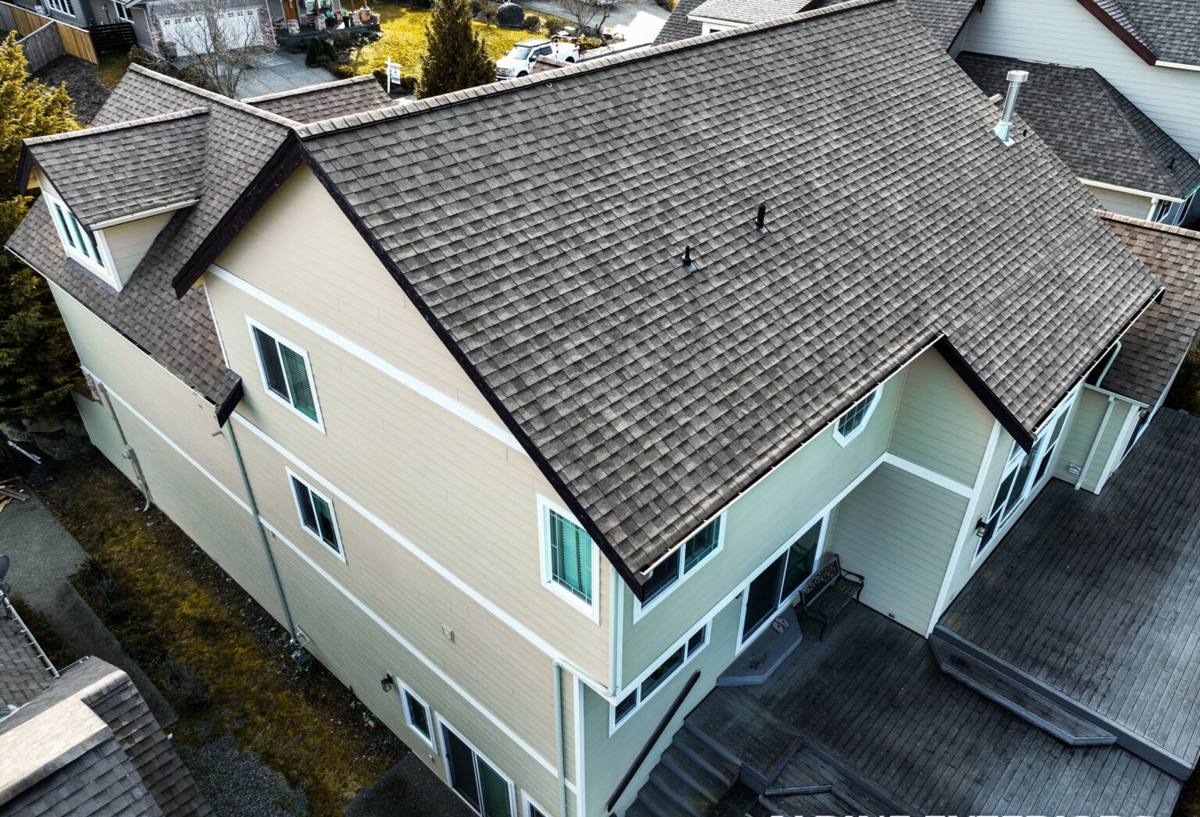
 Harbor Oaks is one of the more established residential pockets in and around Clearwater, and homes here tend to carry a mix of ages, roof pitches, and exterior styles — some original siding, some remodels, some additions that never quite matched the rest of the house. What every one of those homes shares is exposure to the same set of conditions: hurricane-force wind events, salt air drifting in off the water, wind-driven rain that gets pushed sideways into every seam and lap, and UV load that runs strong nearly year-round. That combination is harder on an exterior wall system than almost anything a siding product sees outside of a coastal climate, and it's the reason we install James Hardie fiber cement exclusively — not vinyl, not LP SmartSide, not primed wood, not any of the other fiber cement brands on the market.
This page is specifically about James Hardie siding work in Harbor Oaks: what local homes actually need from a siding system given the climate, what a correct installation involves, how we run a project in this neighborhood, and why it matters to hire a crew that already understands what this specific area asks of an exterior.
What Harbor Oaks Homes Actually Need From Siding
A siding system in this neighborhood is doing more work than it would in a drier, calmer climate. It needs to hold a tight seal against wind-driven rain during summer storms and tropical systems, resist the kind of sustained UV that breaks down unstable coatings over a few seasons rather than a few decades, and shrug off salt air without the finish chalking or fasteners corroding. On top of that, in a hurricane wind zone, the fastening and installation details have to meet a wind-load standard, not just look right when the crew drives away.
Older homes in Harbor Oaks often have layers of history under the current siding — prior repairs, changed window openings, additions tied into the original structure at odd points. That makes the substrate and flashing details underneath the visible siding just as important as the siding product itself, and it's a big part of why a generic re-side without a real inspection of what's underneath tends to disappoint homeowners a few years in.
Why We Install Only James Hardie Here
We get asked fairly often why we don't offer vinyl, LP SmartSide, or one of the other fiber cement brands as a lower-cost alternative. The honest answer is that we looked at what each of those products asks of a homeowner over a 20-plus year ownership window in this climate, and decided the trade-offs weren't ones we wanted to put our name behind:
- Vinyl is inexpensive and low-maintenance in mild climates, but it's a thinner, more thermally reactive material that can deform in sustained high heat and is more vulnerable in extreme wind events than a fiber cement panel fastened to spec.
- LP SmartSide is an engineered wood product. It performs reasonably well when detailed and maintained correctly, but wood-based substrates are inherently more moisture-sensitive than fiber cement, and that sensitivity is a bigger liability in a climate with this much sustained humidity and rain exposure.
- Other fiber cement brands (Cemplank, Allura, and similar) are legitimate fiber cement products, but James Hardie is the brand we've found offers the most climate-specific engineering, the deepest factory finish system, and the strongest track record of transferable warranty support when a home changes hands.
None of this is a claim that the alternatives are junk — plenty of homes wear them without incident. It's a statement of our own standard: for the specific stresses Harbor Oaks and the rest of Clearwater put on an exterior wall, James Hardie is the product we're willing to warranty our workmanship against.
The James Hardie System, Not Just the Board
James Hardie fiber cement is a mix of Portland cement, sand, and cellulose fiber, cured into a dense board that doesn't swell, shrink, or rot the way wood-based products can. Two engineering details matter specifically for a Gulf Coast neighborhood like this one.
HZ5 Climate Engineering
James Hardie manufactures regionally specific formulations rather than one universal product. Homes in our area receive the HZ5 line, engineered for high-humidity, high-moisture-exposure climates — a different mix than what's shipped to dry inland regions. It's a manufacturing specification, not a marketing label, and it's the version built for exactly the conditions Harbor Oaks sees.
ColorPlus Factory Finish
Rather than relying on paint applied on site after installation, ColorPlus finishes are baked on in multiple coats under controlled factory conditions. That finish resists fading, chipping, and chalking far better than field-applied paint holds up under sustained Florida UV and salt air, which means fewer repaint cycles and a more consistent look for longer.
James Hardie Product Lines We Work With
| Product | Typical Use | Why It Fits This Climate |
|---|---|---|
| HardiePlank lap siding | Full-elevation siding on most home styles | Most common profile locally; wide color range, engineered for wind-driven rain resistance |
| HardiePanel vertical siding | Board and batten look, modern or farmhouse styles | Dimensionally stable at seams, holds tight lines under humidity swings |
| HardieShingle siding | Accent gables, dormers, coastal-style detailing | Shingle look without the moisture absorption of cedar shakes |
| HardieTrim boards | Corners, window and door surrounds, fascia | Matches siding finish and durability at the most exposed edges of the home |
What Correct Installation Involves
The single biggest factor in how a James Hardie siding job performs over time isn't the product — it's whether it was installed to the manufacturer's actual specifications. A correct installation on a Harbor Oaks home includes:
- A fully lapped and sealed weather-resistant barrier behind the siding, not house wrap stapled up and left as-is
- Correct nail penetration and fastener spacing, matched to the home's wind exposure category
- Proper clearance between the bottom of the siding and grade, roofing, and decking, so the material never sits in standing water
- Flashing at every horizontal transition — window and door heads, roof-to-wall intersections, and any point where trim meets a wall plane
- Correct panel gapping at butt joints per Hardie's published fastening tables, not gaps sized by eye
- Caulking used only where Hardie specifies it, never as a substitute for flashing done correctly
Skip any one of these steps and the siding can look fine on installation day while quietly setting up moisture problems that show up years later, often behind the wall where they're expensive to catch early.
How a Harbor Oaks Project Runs With Us
- Walk and assessment. We look at the current siding, trim, flashing, and any visible moisture or damage history before quoting anything, since older Harbor Oaks homes often have prior repairs or additions that change the scope.
- Tear-off and substrate check. Once the old siding is off, we inspect sheathing and framing for hidden rot or damage before anything new goes up — this is the point where problems that were invisible from the outside get found and addressed.
- Weather barrier and flashing. House wrap, window and door flashing, and any transition details go in correctly before the first piece of siding is hung.
- Hardie installation. Panels, planks, or shingles go up per manufacturer fastening and clearance specs, with trim and corners detailed to match.
- Final inspection and walkthrough. We review the completed exterior with the homeowner, including caulking, paint touch-up at cut edges, and any site cleanup.
Signs a Harbor Oaks Home May Need New Siding
- Visible cracking, buckling, or warping in the current siding
- Soft spots or discoloration near window and door trim, often a sign of moisture getting behind the cladding
- Peeling or chalking paint that keeps returning within a year or two of repainting
- Rising energy bills without another clear explanation, which can point to a failing weather barrier
- Visible fastener corrosion or streaking, more common on homes closer to the water
- Siding that's simply reached the end of its practical service life and is being patched rather than repaired
Cost Factors for a Harbor Oaks Siding Project
| Factor | Why It Affects Cost |
|---|---|
| Home size and wall complexity | More square footage, corners, and roof lines mean more material and labor |
| Substrate condition | Rot or damage found during tear-off adds repair scope before new siding goes up |
| Product line and profile | Lap siding, panel, and shingle profiles carry different material and labor costs |
| Trim and detail work | Homes with more window and door openings or architectural detail take more trim labor |
| Color selection | Standard ColorPlus colors versus custom or premium finish options can shift material cost |
We don't quote a Harbor Oaks project off a square-footage rule of thumb — the walk-through is where we account for the specific factors above and put together a number that reflects the actual home.
Why Hiring a Crew That Already Works This Neighborhood Matters
Harbor Oaks isn't a blank lot in a new subdivision — it's an established neighborhood with a real mix of home ages and prior work, and every one of those homes sits under the same Pinellas County wind and moisture load. A crew that already does James Hardie installations in this specific area has seen how the local building department handles permitting for exterior work, understands the wind exposure realities of this part of Clearwater, and has a track record of catching the substrate issues that show up more often on older local housing stock. That's a different starting point than a crew working from a generic install manual with no context for what this neighborhood's homes tend to need.
It also means less back-and-forth during the project. Questions about permitting, HOA expectations where they apply, or how a particular roofline detail should be flashed get answered from experience rather than guesswork, which keeps the job moving and keeps surprises to a minimum.
Maintenance After Installation
One of the practical upsides of a correctly installed James Hardie system in a neighborhood like Harbor Oaks is how little ongoing attention it needs compared to wood or lower-grade alternatives. Realistic upkeep looks like an occasional rinse to clear salt residue and pollen, a visual check after major storms for any loosened trim or shifted flashing, and touch-up paint only where physical damage actually occurs — not a recurring maintenance chore. There's no seasonal repainting cycle to plan around and no wood substrate to worry about feeding moisture or pests.
If you're weighing new siding for a Harbor Oaks home, we're happy to walk the property, look at what's actually going on with the current exterior, and put together a free, no-pressure estimate for a James Hardie system built for what this neighborhood's climate demands.