 Clearwater Siding
 Roofing a Barrier Island Home in Indian Rocks Beach
Indian Rocks Beach sits on a narrow strip of Pinellas County between the Gulf of Mexico and the Intracoastal Waterway, which means every roof out here does double duty. It has to shed the same wind-driven rain and intense UV that the rest of the Clearwater area deals with, plus a heavier dose of salt-laden air moving off the Gulf almost every day. That combination is harder on roofing materials than people expect, and it's a big part of why we treat asphalt shingle roofing on the beach differently than a standard inland job.
This page covers what that difference actually looks like: how we spec a shingle roof for this specific stretch of coastline, what a correct installation includes from deck to ridge, and what to watch for once the roof is on. None of this is generic filler — it's the same thinking we apply on every Indian Rocks Beach roof we bid.
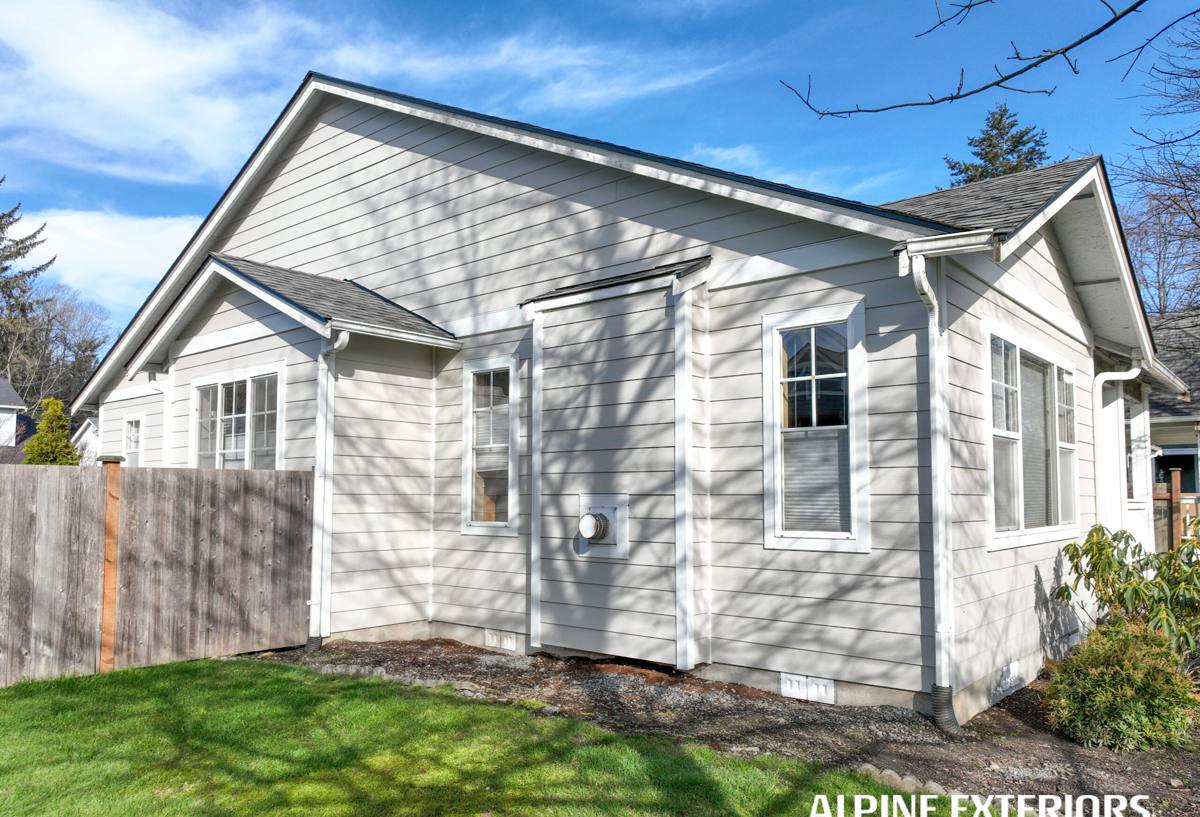
Why the Local Climate Is Harder on Shingle Roofs
Wind Load
Hurricane-force winds are the obvious threat, but the more common problem is the steady, high-speed gusts that come through even in a routine summer storm. Shingles fail at the edges first — the starter course, the rakes, and the ridge — because wind gets under a lifted tab and peels backward from there. A roof close to open water sees more of these edge-lifting gusts over its lifetime than a roof several miles inland, so edge detailing matters more here, not less.
UV Exposure
Florida sun is intense nearly year-round, and asphalt shingles rely on their granule coating to block UV from breaking down the asphalt underneath. Once granules start washing off — which happens faster in full, unshaded coastal exposure — the mat underneath dries out, gets brittle, and loses its ability to flex with temperature swings. That's when you start seeing cracking well before the shingle's rated lifespan is up.
Wind-Driven Rain
Rain that comes in sideways during a storm doesn't behave like rain falling straight down. It can work up and under shingle tabs, find its way past poorly lapped underlayment, and push into any flashing detail that isn't sealed correctly. On a barrier island, storms with a strong onshore component are common enough that we design the underlayment and flashing system assuming wind-driven rain will happen, not treating it as a rare event.
Salt Air
Salt doesn't just affect metal — it settles on every exterior surface, including shingles, and accelerates the breakdown of exposed fasteners, flashing, and vent components. Homes within the first several blocks of the Gulf see this most, but the salt air moving across the whole island affects roofs further from the water too. It's one more reason material choice and metal component quality matter more here than they would on a similar house 20 miles inland.
What a Correctly Built Shingle Roof Includes
A shingle roof isn't just the shingles — it's a system, and every layer has a job. Skipping or shortcutting any one of these is usually where problems start.
- Roof deck: plywood or OSB in sound condition, with any soft or delaminated sections replaced before anything goes down on top of it.
- Underlayment: a synthetic or self-adhering underlayment layer that acts as the roof's real waterproofing barrier if a shingle ever gets compromised.
- Starter strip: a dedicated starter course along eaves and rakes, not cut-down field shingles, so the first row has proper adhesive coverage right at the edge.
- Field shingles: installed with the correct nailing pattern and nail placement — not staples, and not nails placed above the manufacturer's nailing line.
- Flashing: new metal at valleys, walls, chimneys, and any roof penetration, rather than reusing old flashing that's already corroding.
- Ventilation: a balanced intake and exhaust system so heat and moisture can move out of the attic instead of cooking the deck from underneath.
- Ridge cap: purpose-made ridge cap shingles, which are built thicker and rated for higher wind exposure than field shingles.
Every one of these components has a coastal-specific failure point, which is why we don't treat any of them as optional add-ons.
Signs an Indian Rocks Beach Roof Needs Attention
Because of the accelerated wear from sun and salt, we recommend homeowners here check their roof more often than the "once a year" advice you'll see in general roofing articles. Watch for:
- Granules collecting in gutters or at downspout discharge points
- Shingle tabs that look curled, cupped, or lifted at the edges
- Dark streaking or a slick-looking film on north-facing slopes
- Soft spots or noticeable give when walking the roof during an inspection
- Rust staining below metal flashing or exposed fastener heads
- Daylight visible through the attic at any roof penetration
None of these mean the whole roof needs replacing right away, but they're worth a professional look before the next storm season rather than after.
Choosing a Shingle for This Environment
Not every asphalt shingle product is built the same way, and the differences matter more on a barrier island than they do inland. The table below covers the general trade-offs we walk homeowners through when picking a system for an Indian Rocks Beach home.
| Shingle Type | Typical Wind Rating* | Best Fit For | Trade-Offs |
|---|---|---|---|
| 3-Tab | Lower end of published ranges | Budget-driven inland projects | Lighter profile, less wind resistance, shorter service life in full coastal exposure |
| Architectural / Laminate | Mid-to-high end of published ranges | Most Indian Rocks Beach homes | Heavier mat, better wind performance, dimensional look, moderate cost premium |
| Impact-Rated (Class 4) | High end of published ranges | Homes prioritizing hail/wind durability, possible insurance credit | Higher material cost, may qualify for insurance premium discounts — worth confirming with your carrier |
*Published wind ratings assume installation exactly to the manufacturer's specified nailing pattern and fastener count. A correctly rated shingle installed incorrectly will not perform to its rating — the installation matters as much as the product.
For most homes in this area, we recommend a quality architectural shingle rated for high wind as the baseline, with impact-rated products discussed as an upgrade depending on the home's exposure and the homeowner's insurance situation.
How Our Process Works
1. On-Site Evaluation
We walk the roof, check the attic for ventilation and moisture issues, and look at the deck condition — not just the shingle surface. On a barrier island home, we pay particular attention to how exposed the roof is to direct Gulf wind versus shielded by other structures or vegetation.
2. Written Scope and Options
You get a clear, written scope covering shingle selection, underlayment type, flashing work, and ventilation changes, so you know exactly what's being installed and why — not a vague line item that just says "roof."
3. Tear-Off and Deck Inspection
We remove the old roofing system down to the deck. This is the only point where hidden problems — rot, old damage, prior repair shortcuts — are visible, and we address them before anything new goes on.
4. System Installation
Underlayment, starter strip, field shingles, flashing, and ridge cap go on in that order, following the shingle manufacturer's specified nailing pattern for the wind zone. This is also where we correct any ventilation imbalance found during the evaluation.
5. Final Walkthrough
We walk the finished roof and the property with you, confirm cleanup, and go over care and warranty details before we consider the job done.
Maintenance That Actually Matters Here
A shingle roof on Indian Rocks Beach doesn't need constant attention, but a few habits go a long way given the local conditions:
- Rinse accumulated salt and debris off the roof surface periodically rather than letting it sit indefinitely
- Keep gutters clear so wind-driven rain has somewhere to go instead of backing up under the eave
- Trim back overhanging branches that trap moisture or drop debris onto the shingle surface
- Have flashing and vent boots checked every few years — these fail before the shingles usually do
- After any named storm, do a visual check from the ground for missing or lifted shingles
What Affects the Cost of a Shingle Roof Here
Every roof is different, but the same handful of factors drive most of the cost variation we see on Indian Rocks Beach homes.
| Factor | Why It Matters |
|---|---|
| Roof size and number of planes | More squares and more valleys/hips mean more material and labor |
| Deck condition | Rotted or delaminated decking found at tear-off adds repair cost |
| Shingle tier selected | 3-tab, architectural, and impact-rated products carry different material costs |
| Flashing and penetration count | Chimneys, skylights, and multiple vent stacks each add flashing work |
| Ventilation upgrades | Adding or correcting intake/exhaust vents affects both cost and long-term roof health |
| Access and pitch | Steep roofs or homes with limited staging space take longer to work safely |
We'd rather walk your specific roof and give you real numbers than throw out a broad price range that doesn't reflect your home.
Why It Matters to Hire a Crew That Already Works This Area
A crew that regularly works Indian Rocks Beach and the surrounding Clearwater coastline already understands things a roofer from further inland has to learn on the fly — how much more exposure a Gulf-facing slope gets, how salt air shortens the practical life of certain fasteners and flashing metals, and how local permitting and wind-zone requirements apply on the barrier island specifically. That familiarity shows up in the small decisions: which flashing metal to spec, how much ventilation a given attic actually needs, and which details deserve extra attention on a home this close to open water. It's not a marketing angle — it's the difference between a roof that's built for this specific environment and one that's built to a generic standard and hoping it holds up.
If you're weighing a repair against a full replacement, or just want a straight answer on the condition of your current roof, we're glad to take a look. There's no cost and no pressure for an estimate — just a clear, honest read on where your roof stands and what your options are.