 Clearwater Siding
 Roofing on a Barrier Island Is Its Own Job
Indian Rocks Beach sits on a narrow strip of land between the Gulf of Mexico and the Intracoastal Waterway, and that location changes what a roof has to withstand compared to a home a few miles inland in Clearwater. Salt-laden air moves across every roof surface here nearly every day of the year, hurricane-force winds are a real annual risk rather than a remote possibility, and the sun sits high and strong for most of the calendar. A roof installed without accounting for all three of those factors at once tends to underperform its warranty, no matter how good the shingle or metal panel looks on the truck.
We install roofs on barrier island and coastal Pinellas County homes regularly, and this page covers what a correct new roof installation looks like specifically for a home in Indian Rocks Beach — not a generic checklist written for a roof somewhere with none of these pressures.
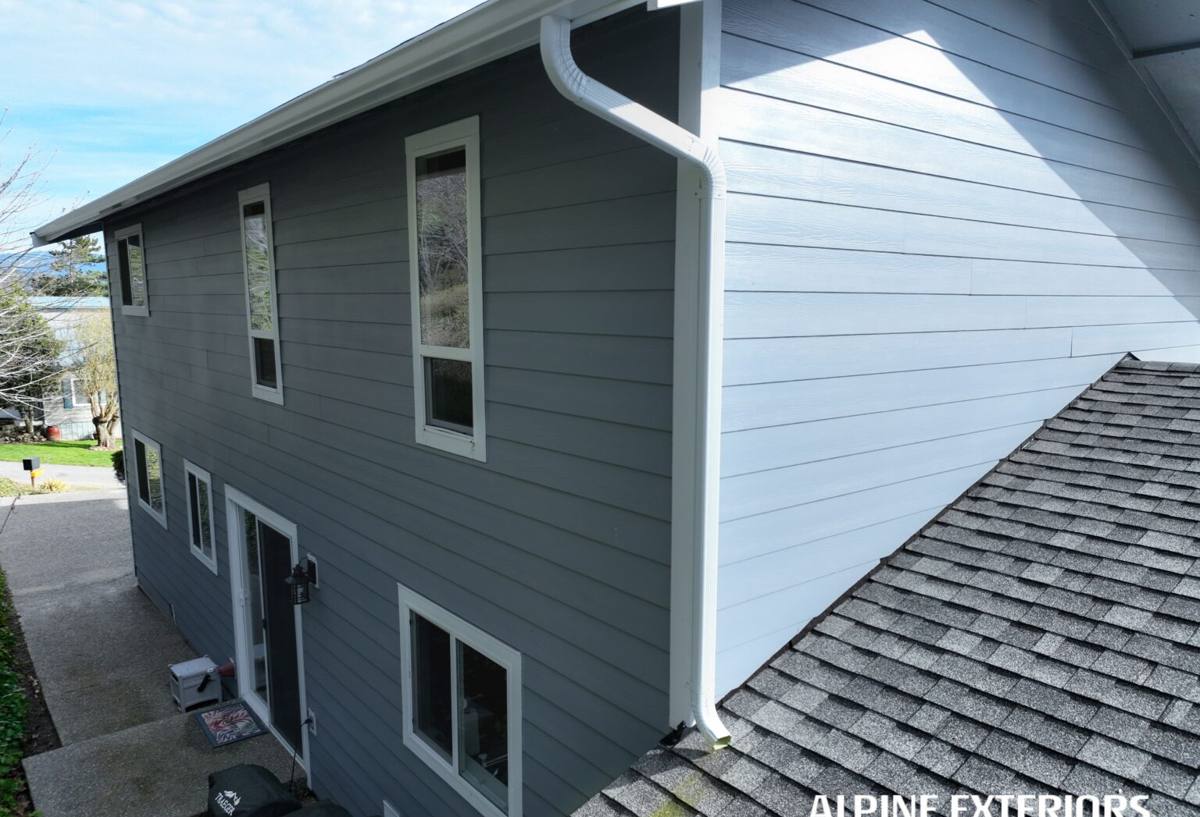
What Coastal Conditions Actually Do to a Roof
Salt Air
Airborne salt is corrosive to exposed metal — fasteners, flashing, drip edge, vents, and any hardware that isn't rated for a marine or coastal environment. On a roof a mile or two from the water, that corrosion happens slowly. On a barrier island roof, it happens faster, especially on fasteners that were never meant to be there in the first place.
Wind
Every hurricane season, Pinellas County roofs face sustained tropical-storm-force wind at minimum, with the possibility of hurricane-force gusts. Wind doesn't just tear off shingles — it gets under an edge, a ridge cap, or a poorly sealed flashing detail and works a small gap into a much bigger failure. Uplift resistance is a function of the whole assembly, not just the shingle rating printed on the wrapper.
UV Exposure
Central Florida sun is intense and consistent nearly year-round. UV breaks down asphalt oils, dries out sealants, and accelerates the aging of anything not formulated for it. A roof that would last several extra years in a milder climate can show granule loss, cracking, or brittleness noticeably sooner here.
Wind-Driven Rain
Tropical systems in this area rarely bring rain that falls straight down. Wind-driven rain gets pushed sideways and upward under laps, around penetrations, and into any seam that relies on gravity alone to shed water. This is why underlayment choice and flashing detail work matter as much as the visible roofing material.
What a Correct New Roof Installation Involves
Tear-Off and Deck Inspection
We remove the existing roofing down to the deck rather than layering over old material. This lets us actually see the plywood or OSB underneath — soft spots, delaminated panels, or old fastener damage are common on older Pinellas County homes and have to be replaced before anything new goes down. Skipping this step is one of the most common shortcuts in the roofing trade, and it's the one that causes the most expensive problems years later.
Underlayment and Water Barrier
Given how much wind-driven rain this area sees, we use a synthetic or self-adhering underlayment system suited to the roof pitch and material, with extra attention at eaves, valleys, and low-slope sections where water intrusion is most likely. This layer is what protects the home if the outer roofing material is ever compromised in a storm — it's not optional, and it's not interchangeable across all roof types.
Flashing at Every Penetration and Transition
Chimneys, skylights, vent pipes, wall-to-roof transitions, and roof-to-roof valleys are where most leaks actually start, not in the open field of the roof. Correct flashing means new metal, properly lapped and sealed, at every one of these points — not caulk over old, corroded flashing left in place from the last roof.
Fasteners and Hardware Rated for Coastal Use
We use corrosion-resistant fasteners and hardware suited to a salt air environment, and we follow manufacturer nailing patterns exactly rather than the faster, looser patterns that shortcut crews sometimes use. Nailing pattern alone can be the difference between a roof that holds through a wind event and one that doesn't.
Ventilation
Proper intake and exhaust ventilation keeps attic temperatures and moisture in check, which protects the roof deck from below and helps the roofing material itself last as long as it's rated to. Older homes in this area are sometimes under-ventilated for the current roofing system, and we address that as part of the installation rather than leaving it for later.
Roofing Material Options for a Barrier Island Home
There's no single "best" roofing material for every Indian Rocks Beach home — it depends on your home's structure, your budget, and how you weigh upfront cost against long-term maintenance. Here's an honest comparison of the main options we install in this area.
| Material | Wind Performance | Salt Air Durability | Typical Lifespan | Honest Trade-Off |
|---|---|---|---|---|
| Architectural Asphalt Shingle | Strong when installed with proper nailing pattern and rated for high wind | Good with coastal-rated accessories and fasteners | 20-30 years | Lower upfront cost; UV and heat exposure will age it faster than a milder climate |
| Standing Seam Metal | Excellent; among the best options for high-wind coastal exposure | Very good with the right coating and fastener system | 40-60 years | Higher upfront investment; installation quality matters even more than with shingles |
| Concrete or Clay Tile | Strong when properly fastened; heavy assembly resists uplift | Good; the tile itself doesn't corrode | 40-50+ years | Heaviest option — structure must be confirmed to support the load; underlayment failure is hidden until a tile is lifted |
Whichever material fits your home and budget, the underlayment, flashing, and fastening details described above matter more to long-term performance than the brand name on the material itself.
Wind Rating, Building Code, and Permitting
Roofing work in Pinellas County is permitted and inspected, and coastal wind zone requirements apply to materials, fastening patterns, and installation methods. This isn't paperwork for its own sake — it's the mechanism that keeps a new roof matched to the wind loads a barrier island home actually experiences. We pull the required permits, install to the applicable wind rating for the area, and have the work inspected rather than treating code compliance as optional or something to work around.
Our Installation Process
- Free on-site inspection and honest assessment of your current roof's condition
- Written estimate covering material options, scope of work, and timeline
- Permit pulled with Pinellas County before any work begins
- Full tear-off and deck inspection, with any needed deck repair priced and approved before installation continues
- Installation of underlayment, flashing, ventilation, and roofing material to manufacturer and code specification
- Final walkthrough and county inspection
- Cleanup — magnetic sweep for debris and nails, haul-away of old material
Signs Your Indian Rocks Beach Roof May Need Replacement
Not every roofing issue means a full replacement — sometimes a repair is the honest answer. But these are signs worth having evaluated:
- Shingles that are cracked, curling, or missing granules in large patches
- Visible rust or corrosion on flashing, vents, or exposed fasteners
- Daylight visible through the attic decking or roof boards
- Soft or spongy spots when walking the roof or attic decking
- Staining on interior ceilings, especially after wind-driven rain events
- A roof approaching or past the end of its material's expected lifespan
- Multiple past repairs in different areas rather than one contained problem
If you're seeing one or two of these, a repair may still make sense. If you're seeing several at once, or your roof is old enough that a major storm season is a real risk, a new installation is usually the more cost-effective long-term decision.
Why Hire a Crew That Already Works This Area
Indian Rocks Beach has its own logistics — narrow access on some streets, close-set homes, and permitting specifics tied to its location in unincorporated Pinellas County and its barrier island setting. A crew that already works here knows how to stage material and equipment without disrupting the neighborhood, understands the wind and salt exposure differences from an inland Clearwater job, and has already worked through the permitting process for this specific area rather than learning it on your project. That familiarity shows up in fewer surprises, fewer delays, and a roof that's actually built for the conditions it will face.
Maintenance After Installation
A correctly installed roof still benefits from basic upkeep in this climate. We recommend periodic visual checks after major storms, keeping gutters and drains clear so water isn't backing up under edges, and having any small issue — a lifted shingle corner, a soft sealant joint — addressed before the next wind event finds it. Salt air and UV don't stop working on a roof just because the installation is done, and a few minutes of attention after a bad storm can prevent a much larger repair later.
If your Indian Rocks Beach roof is showing its age or you're planning ahead of the next storm season, we're happy to take a look and give you a straight answer — whether that's a repair or a full replacement. Request a free, no-pressure estimate using the form below and we'll walk your roof with you.