 Clearwater Siding
 Why Island Estates Decks Age Differently
Island Estates is a waterfront community, and that changes the math on deck maintenance. A deck built a mile inland in Pinellas County will show wear over time. A deck sitting near the canals of Island Estates shows it faster, and often in different places. Salt-laden air moves off the water and settles into every exposed fastener, hinge, and connector. Add in Florida's year-round UV load and the wind-driven rain that comes with almost every summer storm, and you have a structure that's under constant, low-grade attack from three directions at once.
None of that means a deck in Island Estates is doomed to fail early. It means the repair work has to account for the environment it's actually in, not the environment a generic repair job assumes. That's the difference between a fix that holds and one you're paying for again in two years.
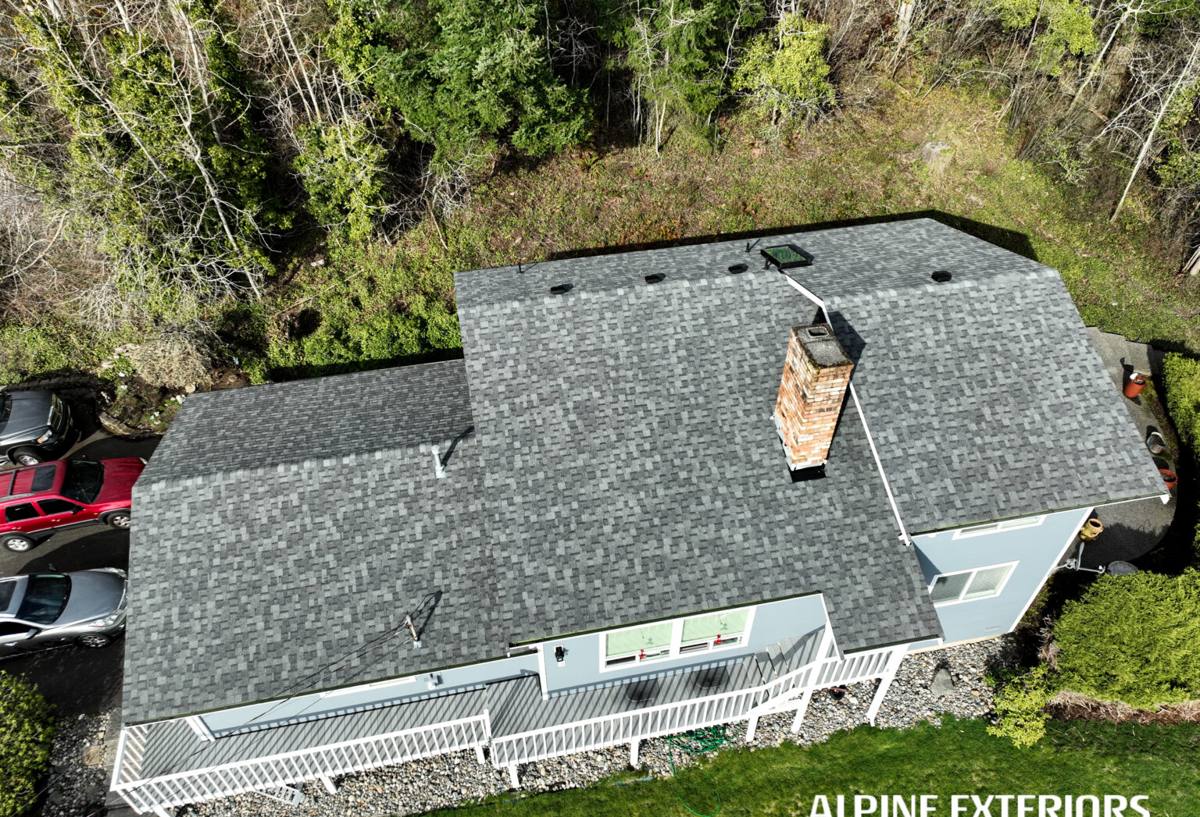
The Damage We See Most Often on Island Estates Decks
Fastener and Hardware Corrosion
Standard fasteners corrode faster this close to saltwater. We regularly find screws, nails, and joist hangers that look intact on the surface but have lost real strength underneath. Corroded fasteners are one of the most common reasons a deck develops a soft spot, a wobble, or a squeak long before the wood itself is actually failing.
Ledger Board and Attachment Point Failure
The ledger board — where the deck attaches to the house — takes on water that runs off siding, collects behind flashing that's degraded, or seeps in through old fastener holes. Because it's hidden behind the deck surface, ledger rot is often the most serious problem on a deck and the least visible until someone actually pulls boards or gets underneath to check.
Sun-Cracked and Cupped Boards
Intense, near-constant UV exposure dries out wood fibers and breaks down the surface of composite decking over time. Boards cup, crack, or splinter. On painted or stained wood decks, UV also accelerates coating failure, which then lets moisture into the wood itself.
Structural Movement from Storm Wind Loads
Hurricane-force and tropical-storm-force winds put real lateral and uplift stress on an elevated deck. Over multiple storm seasons, that stress works on connections that were fine when the deck was new — posts, railing attachments, and joist hangers loosen incrementally until a repair is overdue.
What a Correct Deck Repair Actually Involves
A repair that only replaces the boards you can see is a cosmetic fix, not a structural one. On a waterfront deck, that approach tends to fail again quickly because it never addresses what's happening underneath. A correct repair starts with an inspection of the framing, not just the surface.
- Check every joist, beam, and post for soft spots, splitting, or rot — not just the ones near visibly damaged boards
- Inspect the ledger board connection and the flashing behind it for water intrusion
- Test fasteners and structural connectors for corrosion, not just rust staining
- Confirm railing posts and stair stringers are still solidly anchored, since these take direct wind load
- Identify any decking material that's structurally sound but cosmetically failing versus material that's actually compromised
- Check drainage and airflow underneath the deck, since poor ventilation traps moisture against framing
Skipping any of these steps means guessing at the scope of the problem. On a deck exposed to salt air and storm wind, guessing is how a homeowner ends up paying for the same repair twice.
Repair or Replace? What Actually Drives That Decision
Not every deck problem calls for a full rebuild, and not every deck problem should be patched. The right call depends on where the damage is and how far it's spread. Here's how we typically evaluate it:
| Factor | Favors Repair | Favors Replacement |
|---|---|---|
| Framing condition | Solid, no rot at joists or beams | Rot or corrosion at multiple structural points |
| Ledger board | Sound, properly flashed | Water damage or improper original attachment |
| Age of decking material | Under half of expected service life | Near or past expected service life |
| Extent of damage | Isolated to a few boards or one section | Spread across the deck surface or structure |
| Prior repair history | First significant issue | Repeated patch jobs that haven't held |
We'll walk you through which column your deck falls into and why, in plain terms, before any work starts.
Our Process
We keep the process straightforward because homeowners deserve to know what's happening to their home and why.
- On-site inspection. We get underneath the deck, not just around it, to check framing, connections, and moisture points directly.
- Honest scope and estimate. You get a clear explanation of what's failing, what's still sound, and what it will take to fix it correctly — no inflated scope, no skipped steps.
- Repair or rebuild the affected areas. We address the actual cause, whether that's a failed ledger connection, corroded hardware, or damaged framing, not just the visible symptom.
- Fastener and hardware upgrade where needed. In a waterfront environment like Island Estates, we typically recommend corrosion-resistant fasteners and connectors even where the original build didn't use them.
- Final walkthrough. We confirm the repair is solid, explain any maintenance recommendations, and answer questions before we consider the job done.
The Hidden Work: Fasteners, Flashing, and Connections
Most homeowners judge a deck repair by how the boards look afterward. That's understandable, but it's the wrong measure. The parts of a deck repair that actually determine how long it lasts are the parts you don't see once the job is finished.
Fastener Selection Matters More Here
Standard-grade fasteners are a false economy this close to saltwater. We use corrosion-resistant hardware rated for coastal exposure as our standard practice on Island Estates projects, because the labor cost of a repair is the same either way — the fastener cost difference is small, and the failure cost of using the wrong hardware isn't.
Flashing Is Not Optional
Proper flashing at the ledger board keeps water from tracking behind the house's exterior and into the rim joist. This is one of the most common corners cut on older or lower-cost original builds, and it's frequently the root cause when a ledger board has failed.
Connector Hardware Sized for Wind Load
Post bases, joist hangers, and railing brackets all need to be rated for the load they're actually carrying, especially on an elevated deck exposed to hurricane-force gusts. We check this as a matter of course rather than assuming the original installation accounted for it.
Material Considerations for a Waterfront Deck
When boards need replacing, the material choice matters more here than it would inland. A few honest trade-offs worth knowing:
- Pressure-treated wood is affordable and repairable board-by-board, but it requires regular sealing to hold up against sun and salt air, and it will need that maintenance kept up consistently to avoid early rot.
- Composite decking resists rot and doesn't need staining, but it still needs a solid, properly ventilated frame underneath, and quality varies significantly between products.
- Hardware and fasteners should be corrosion-resistant regardless of which decking material you choose — this is the piece that gets overlooked most often.
- Railings and structural connectors deserve the same scrutiny as decking boards, since they're just as exposed and often replaced far less often than they should be.
We'll walk through these trade-offs honestly based on your deck's specific exposure and your maintenance preferences, rather than pushing one product as a one-size-fits-all answer.
Why Local Experience with Island Estates Homes Matters
A crew that mainly works inland neighborhoods can still do competent deck work, but they're not necessarily thinking about salt-air corrosion timelines, canal-side humidity, or how a specific storm track affected homes in this part of Clearwater. Working regularly in Pinellas County's waterfront communities means we've seen how decks in this exact kind of environment actually fail over time, not just how a repair manual says they should. That translates into fewer surprises once we open up a deck, and a repair scope that's accurate the first time instead of growing mid-project.
It also means we're realistic with homeowners about maintenance. A deck repair in Island Estates isn't a one-and-done event the way it might be in a drier, less exposed part of the county. We'll tell you honestly what upkeep to expect going forward, so there are no surprises.
Get a Straightforward Deck Assessment
If your deck has soft spots, loose railings, corroded hardware, or boards that have seen better days, it's worth having someone look underneath before deciding what it needs. We offer free, no-pressure estimates for Island Estates homeowners — just fill out the form below and we'll take a look.