 Clearwater Siding
 Del Oro's Siding Has a Specific Job to Do
Del Oro is an established residential pocket of Clearwater, and like most Pinellas County neighborhoods of its era, it's built up of homes that have already been through decades of Gulf Coast weather. Whatever is on the walls right now — old lap siding, aging paint, worn trim — has been fighting a slow, four-front war: hurricane-force wind events, year-round UV exposure that doesn't take a winter off, wind-driven rain that gets pushed sideways into every seam and joint, and a steady drift of salt-laden air off the Gulf and Tampa Bay. Siding in this part of Florida isn't just a cosmetic layer. It's the thing standing between that weather and your sheathing, framing, and interior walls.
We install James Hardie fiber cement exclusively, and this page is specifically about what that looks like on a Del Oro home: what the climate actually does to a wall system here, what a correct Hardie installation involves, how our process runs from first estimate to final walk-through, and why it matters that the crew doing the work already has boots-on-the-ground experience in this neighborhood rather than learning Clearwater's quirks on your project.
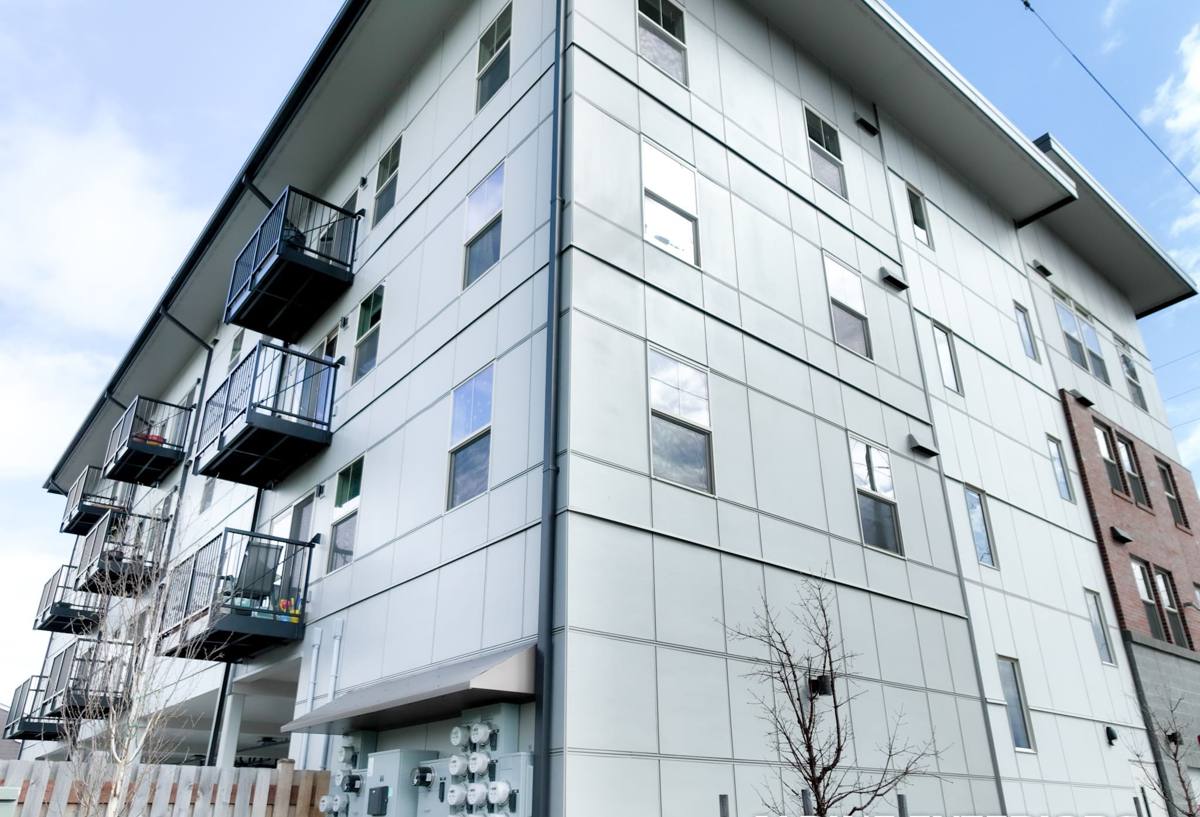
What Clearwater's Climate Does to a Wall System Over Time
None of the four stressors below are exotic or rare here — they're the baseline, year in and year out, for every home in Del Oro.
Hurricane-Force Wind
Wind doesn't just push on a wall — it pulls. Uplift and pressure cycling during tropical storms and hurricanes work at fasteners, seams, and panel edges, and repeated wind events over the years loosen anything that wasn't fastened correctly the first time. A siding system that looks fine in calm weather can still have marginal fastening that only shows itself when a real wind event tests it.
Intense, Year-Round UV
Florida doesn't give siding a seasonal break from sun exposure the way northern climates do. UV breaks down pigments and resins in lower-grade coatings steadily, month after month, which is why field-painted or poorly finished siding in this area tends to chalk, fade, and look tired well before homeowners expect it to.
Wind-Driven Rain
Rain that falls straight down is a manageable problem for almost any exterior product. Rain that gets driven sideways under 40-60 mph gusts is a different story — it finds gaps at butt joints, around penetrations, and behind poorly lapped courses. Once moisture gets behind the siding plane repeatedly, the sheathing and framing behind it pay the price long before the siding itself shows obvious damage.
Salt Air
Del Oro doesn't need to sit directly on the waterfront to feel this one. Salt-laden air moves inland across Pinellas County on Gulf breezes, and it accelerates corrosion on fasteners, flashing, and any metal component in a wall assembly, while also contributing to the general breakdown of lower-quality finishes over time.
Why James Hardie Is the Product We Put on Homes Here
We made the decision years ago to install James Hardie fiber cement exclusively — not other fiber cement brands, not vinyl, not engineered wood. For a Del Oro home taking on the four stressors above simultaneously, the reasoning holds up in practical terms.
Non-Combustible Material
Fiber cement is non-combustible, which matters in any wildfire-adjacent conversation but also simply gives homeowners one less material vulnerability to think about compared to some engineered wood products.
Climate-Engineered for Hot, Humid Exposure
James Hardie engineers its boards by climate zone rather than selling one universal product everywhere. For Florida's hot, humid, high-UV conditions, that means the HZ10 product line — formulated specifically for moisture and heat exposure like ours, as opposed to the HZ5 formulation used in colder, wetter northern climates. That distinction isn't marketing language; it's a different board formulation matched to a different set of problems, and installing the wrong climate-zone product is one of the more avoidable mistakes we see when we're called in to fix someone else's work.
ColorPlus Factory Finish
Most of what we install carries Hardie's ColorPlus factory-applied finish, cured under controlled conditions before the board ever reaches a Del Oro jobsite. That process holds up against sustained Florida UV meaningfully better than field-applied paint, and it comes with its own finish warranty separate from the substrate warranty — two different products bundled into one board, both engineered for exactly the exposure this neighborhood gets.
What a Correct Installation Actually Involves
Fiber cement siding is only as good as the installation underneath it. A bad install of a great product will fail faster than a careful install of a mediocre one, and in a climate that tests every seam the way Clearwater does, the details below are where jobs succeed or quietly fail.
Clearance and Drainage
Hardie specifies minimum clearances above rooflines, decks, and grade, and a drainage plane behind the siding that lets any moisture that does get past the surface find its way back out instead of sitting against the sheathing. Skipping these clearances to save a few inches of trim work is one of the most common shortcuts we find on older installs in this area.
Fastening for Wind Uplift
Fastener type, spacing, and embedment all change based on local wind-load requirements under the Florida Building Code, and Pinellas County wind design values are not the same as what a national installation guide defaults to. Corrosion-resistant fasteners, driven correctly — not overdriven, not underdriven — at the right spacing, are what keep a wall assembly performing through repeated storm cycles rather than just the first one.
Flashing, Joints, and Where Caulk Actually Belongs
Every horizontal joint, window and door penetration, and dissimilar-material transition needs the correct flashing detail — not a bead of caulk covering up a gap that should have been flashed instead. Hardie's own installation instructions are specific about where sealant is and isn't appropriate, and over-reliance on caulk as a substitute for proper flashing is a shortcut that looks fine at closing and fails quietly over the following storm seasons.
| Detail | Done Right | Common Shortcut We See |
|---|---|---|
| Bottom clearance above roofline/deck | Meets Hardie's minimum clearance spec | Trimmed tight to grade for appearance, traps moisture |
| Fasteners | Corrosion-resistant, correct spacing and embedment for local wind load | Standard fasteners, wider spacing to save time |
| Joint treatment | Flashed per manufacturer detail | Caulked over an unflashed gap |
| Product line | HZ10 board matched to Florida's climate zone | Generic or mismatched climate-zone board |
Our Process for a Del Oro Project
We keep the sequence straightforward because the details are where the value is, not the pitch.
- A walk-through of your Del Oro home to look at the existing siding, trim, and any moisture or wind damage already present, plus a look at wall orientation relative to prevailing wind and sun.
- A written estimate that breaks down product line, color, and scope, so you know exactly what's being installed and why.
- Confirmation of the required City of Clearwater or Pinellas County permit before any material is ordered.
- Removal of the old siding and an inspection of the sheathing underneath, since hidden moisture damage is common on homes that have taken wind-driven rain for years.
- Installation to Hardie's specification and current Florida Building Code wind requirements, with attention to the clearance, fastening, and flashing details above.
- A final walk-through with you before we consider the job done.
Why a Crew That Already Works Del Oro Matters
Siding installation isn't identical from one Florida neighborhood to the next. A crew that regularly works this part of Clearwater already knows the permitting process with the city and county, has a working sense of the age and construction style of homes in Del Oro, and isn't guessing at wind design values or flashing details for the first time on your house. That familiarity shows up less in anything visible and more in the things that don't go wrong later — the clearance that wasn't shortcut, the joint that was flashed instead of caulked, the fastener schedule that matches what this specific wind zone actually requires.
What Affects Cost on a Job Like This
| Factor | Why It Moves the Price |
|---|---|
| Home size and wall complexity | More corners, gables, and penetrations mean more cutting, flashing, and labor time |
| Extent of sheathing repair needed | Hidden moisture damage found once old siding comes off adds material and labor |
| Product line and profile | Lap, panel, and shingle profiles carry different material and install costs |
| Color finish | ColorPlus factory finish vs. primed-for-field-paint changes both material cost and long-term maintenance |
| Trim and accent scope | Full trim replacement alongside siding adds scope but keeps the finished look consistent |
We give firm written estimates rather than vague ranges once we've actually looked at your home, since guessing at sheathing condition before removal is how surprise change orders happen.
Maintenance and Warranty in This Climate
A correctly installed James Hardie system with a ColorPlus finish is a low-maintenance exterior, not a no-maintenance one. Periodic gentle washing to clear salt residue and airborne grime, prompt attention to any caulk lines that do fail over time, and keeping gutters and drainage clear all extend the life of the system. James Hardie's warranty structure is transferable and substantial, but like any manufacturer warranty it assumes correct installation — which is exactly why the details in the sections above aren't optional extras, they're what keeps the warranty meaningful if you ever need it.
A Practical Checklist Before You Sign a Siding Contract
- Confirm the contractor is licensed and insured to do exterior work in Florida
- Ask which James Hardie product line they're specifying (HZ10 for this climate) and why
- Confirm ColorPlus factory finish vs. field-painted primed board, and understand the warranty difference
- Ask how they handle fastener spacing and type for local wind-load requirements
- Ask how joints and penetrations are flashed, not just where caulk will be applied
- Confirm who pulls the City of Clearwater or Pinellas County permit
- Get the estimate in writing with product, color, and scope spelled out
If your Del Oro home needs new siding, or you're not sure whether what's on the walls now is still doing its job, we're happy to take a look and put together a free, no-pressure estimate.