 Clearwater Siding
 Metal Roofing for Palm Harbor Homes
Palm Harbor sits close enough to the water that every roof on the street is dealing with the same three problems: salt-laden air, brutal summer UV, and the real possibility of a hurricane-force wind event during storm season. A roof here isn't just shedding rain — it's holding up against conditions that wear out lesser materials years ahead of schedule. Metal roofing has become one of the most requested upgrades we install in this part of Pinellas County, and for good reason: done correctly, it's one of the few roofing systems that genuinely matches what this climate demands.
This page is about metal roofing specifically for Palm Harbor properties — what the local climate does to a roof, what a correct installation actually involves, how our process works, and why hiring a crew that already works in this area matters more than most homeowners realize.
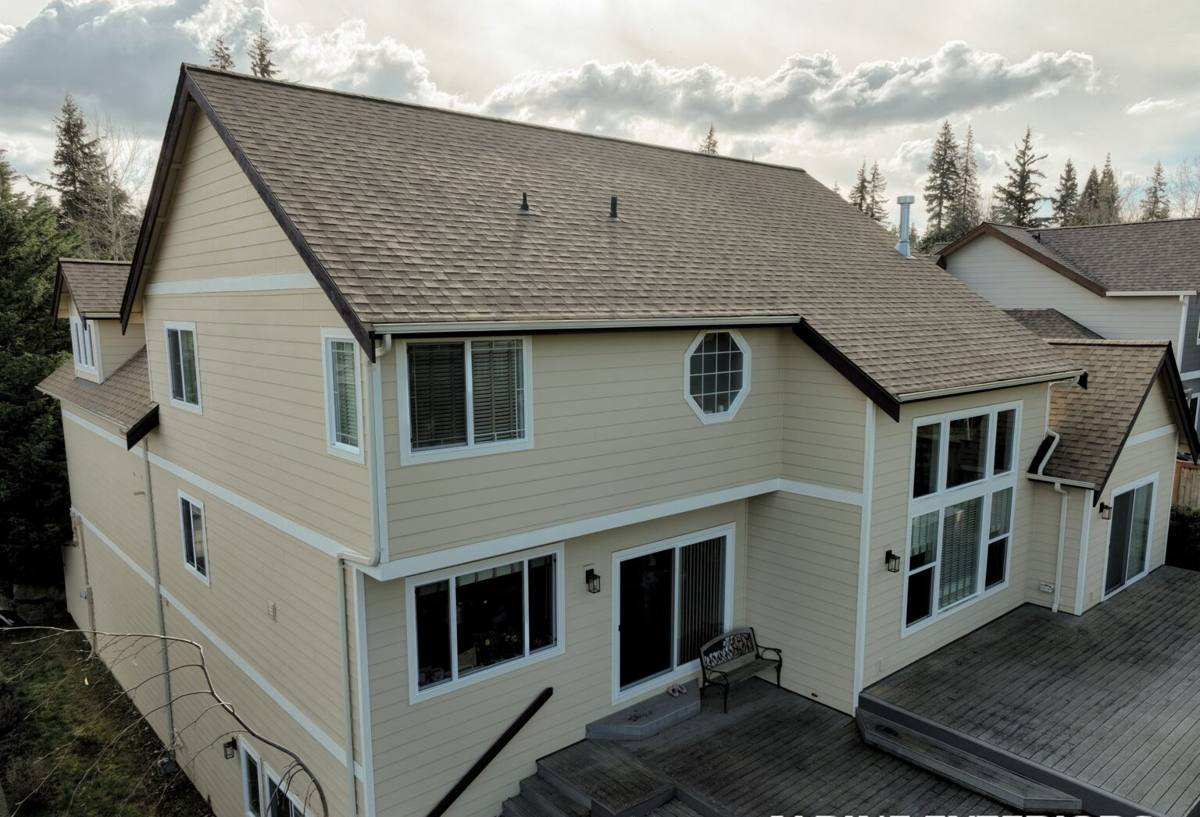
What Clearwater-Area Weather Does to a Roof
Every roofing material sold in Florida claims to handle "Florida weather." Few of them actually get tested by it the way roofs in Palm Harbor are. A few specific stressors matter here:
Wind
Palm Harbor's proximity to the Gulf means every named storm that tracks anywhere near the west coast puts real uplift pressure on a roof. Wind doesn't just push down on shingles — it gets underneath edges, seams, and fasteners and pulls upward. A roofing system that isn't engineered and installed for uplift resistance is the first thing to fail in a storm, and it's usually the fastener pattern and edge detailing that gives out, not the roofing material itself.
UV and Heat
Year-round sun exposure breaks down petroleum-based roofing products faster here than almost anywhere else in the country. Asphalt shingles lose their granules and become brittle. Attic temperatures climb, which drives up cooling costs and stresses the roof deck from underneath as well as from above.
Salt Air
Even a few miles inland from the coast, airborne salt settles on roofing surfaces and accelerates corrosion on anything that isn't rated for a coastal environment. This is the detail that trips up a lot of roofing jobs — not because metal roofing can't handle salt air, but because the wrong metal, the wrong coating, or the wrong fasteners were used.
Wind-Driven Rain
Florida rain rarely falls straight down during a storm. It comes in sideways, which means seams, flashing, and penetrations take on water pressure that a calm-weather roof detail was never designed for.
Metal Roofing Systems We Install
"Metal roofing" covers a range of products, and the right choice depends on the home, the budget, and how the roof is used (attic ventilation, roof pitch, HOA rules, and so on). We walk homeowners through the real trade-offs rather than pushing one product for every job.
| System | Best For | Trade-Offs |
|---|---|---|
| Standing seam panels | Homeowners who want the cleanest look and the best wind/water performance | Higher upfront cost; concealed fasteners require precise installation |
| Exposed-fastener metal panels | Budget-conscious projects, outbuildings, some ranch-style homes | Fasteners need periodic inspection; more visible seams |
| Metal shingles/shakes | Homeowners who want a traditional shingle or tile look with metal's durability | More seams and detail work than standing seam; installation quality matters a lot |
| Aluminum panels | Homes closer to the water where corrosion resistance is the top priority | Slightly higher material cost than steel in some profiles |
For most Palm Harbor homes, we lean toward standing seam or a quality aluminum system because of how well they resist salt-air corrosion and how cleanly they shed wind-driven rain. But the right answer depends on the specific house, and that's a conversation, not a default.
What a Correct Metal Roof Installation Actually Involves
Metal roofing has a reputation as a "install it and forget it" material, and it can be — but only if the installation underneath the metal is done right. Most metal roof problems we get called out to fix in this area trace back to shortcuts taken during installation, not the panels themselves.
Deck Inspection and Repair
Metal only performs as well as what it's fastened to. We check the roof deck for soft spots, prior water damage, and proper attachment before anything goes down — not after.
Underlayment
A high-temperature-rated synthetic or self-adhered underlayment is essential under metal in this climate. Metal panels get hot, and a low-grade underlayment can degrade or shift over time. This layer is also the roof's real waterproofing backup if wind ever drives water past the panels.
Fastening and Panel Layout
Fastener spacing, clip type, and panel overlap all affect wind performance. This is where installations engineered for high-wind coastal exposure differ most from a generic install — the layout has to account for uplift at edges, ridges, and rakes, not just the field of the roof.
Flashing and Penetrations
Valleys, wall transitions, vent pipes, and skylights are where roofs actually leak. Metal roofing done right uses properly formed, sealed, and fastened flashing at every one of these points — not caulk as a substitute for correct detailing.
Ventilation
Proper attic ventilation keeps a metal roof performing and keeps energy costs down. We check existing ventilation and correct it where needed as part of the job, not as an afterthought.
Our Process, Start to Finish
- Free on-site inspection and estimate, including a look at your current deck, ventilation, and flashing details
- Straightforward proposal that spells out the system, materials, and scope — no vague line items
- Permit pulled through Pinellas County before any work begins
- Old roofing removed and deck inspected/repaired as needed
- Underlayment, flashing, and panel installation completed to manufacturer and wind-code specifications
- Final walkthrough with the homeowner and job-site cleanup, including magnetic sweep for stray fasteners
We don't skip the deck inspection or the walkthrough to save time. Both are where problems get caught before they become callbacks.
Metal Roofing vs. Asphalt Shingles: What Actually Differs
Homeowners in Palm Harbor comparing metal to a shingle replacement usually want a straight answer on cost and lifespan trade-offs, not a sales pitch. Here's the honest comparison:
| Factor | Metal Roofing | Asphalt Shingles |
|---|---|---|
| Upfront cost | Higher | Lower |
| Typical lifespan | Multiple decades with proper maintenance | Shorter, especially under constant Florida UV |
| Wind performance | Excellent when properly engineered and installed | Good with proper installation, but more vulnerable at edges over time |
| Heat/UV resistance | Reflects heat well, especially with coated finishes | Absorbs heat, degrades faster under sun exposure |
| Maintenance | Low; occasional fastener and sealant checks | Moderate; granule loss and seal wear over time |
| Insurance considerations | Often eligible for wind-mitigation credits | Fewer mitigation credit opportunities |
Metal isn't automatically the "better" choice for every homeowner — budget, how long you plan to stay in the home, and roof complexity all factor in. But for homes in Palm Harbor's wind and salt exposure, it's the system that tends to hold up the longest with the least maintenance.
Wind Codes, Permits, and Insurance in Pinellas County
Roofing work in this area falls under Florida's high-velocity wind provisions, and Pinellas County requires a permit and inspection process for roof replacements. A correctly installed metal roof isn't just about the finished look — it's about meeting these code requirements so the roof actually performs the way it's rated to, and so you're not left with an insurance or resale problem down the road. We pull the required permits and build to code as a matter of course, not as an upcharge.
Many homeowners also find that a wind-rated metal roof can factor positively into a wind-mitigation inspection, which can affect windstorm insurance premiums. We're not insurance agents and won't promise a specific savings figure, but it's worth asking your carrier about once the roof is installed and inspected.
Maintenance: Keeping a Metal Roof Sound in Salt Air
One of metal roofing's biggest selling points is low maintenance — but "low" isn't "none," especially this close to the Gulf. A simple annual check goes a long way:
- Visual check of fasteners on exposed-fastener systems for backing out or corrosion
- Clear debris and organic buildup from valleys and around penetrations
- Check sealant at flashing points for cracking or shrinkage
- Rinse off salt residue periodically, especially after long dry spells
- Look for scuffed or scratched coating after any storm and touch up promptly to prevent corrosion starting at bare metal
- Confirm gutters and downspouts are clear so water isn't backing up under panel edges
We're happy to do this check as part of a broader exterior inspection if you'd rather not get on the roof yourself.
Why a Crew That Already Works Palm Harbor Matters
Roofing crews that mostly work inland or in lower-wind regions don't always build the same habits around edge detailing, fastener patterns, and flashing that homes near the Gulf actually need. A crew that regularly works Palm Harbor and the surrounding Clearwater area knows the permitting process with Pinellas County, understands what the local wind and salt exposure actually requires, and has seen firsthand what happens when an installation cuts corners on any of it. That familiarity shows up in the details — the ones that don't matter until the first real storm tests them.
If you're weighing a metal roof for a Palm Harbor home, we're glad to walk the roof with you, talk through the honest trade-offs for your specific house, and put together a straightforward estimate — no pressure, no hard sell. The form below is the easiest way to get that started.