 Clearwater Siding
 Roofing Built for Belleair's Coastal Conditions
Belleair sits close to the water in Pinellas County, which means homes here take a different kind of beating than roofs a few miles inland. The combination of hurricane-force wind gusts, near-constant UV exposure, wind-driven rain during summer storms, and salt-laden air off the Gulf and Intracoastal wears down roofing materials faster than most manufacturers' warranty language admits. A roof that's rated and installed correctly for this environment holds up. One that's installed to a lower standard, or with the wrong materials for a coastal microclimate, tends to show problems years ahead of schedule — granule loss, lifted shingles, rusted fasteners, soft decking under valleys.
A new roof installation in Belleair isn't just about swapping old shingles for new ones. It's about matching the assembly — decking, underlayment, flashing, fasteners, and covering — to what this specific location will throw at it for the next 20 to 30 years.
Signs a Belleair Home Needs a New Roof, Not Another Repair
Not every roofing problem calls for full replacement, but there's a point where patching becomes a waste of money. Some signs point clearly toward replacement rather than repair:
- Shingles are curling, cupping, or losing granules across large sections rather than one isolated spot
- The roof is nearing or past its expected service life for its material type
- Multiple past repairs haven't stopped recurring leaks in the same general area
- Decking feels soft or spongy underfoot during inspection, indicating moisture has reached the wood
- Flashing around chimneys, skylights, or wall transitions is rusted, cracked, or was never properly step-flashed
- A recent wind event lifted or tore off shingles in a pattern rather than a single spot
- An insurance inspection or wind mitigation report flagged the roof's age or condition
If you're seeing two or more of these at once, a straightforward inspection will tell you whether repair still makes sense or whether you're better off putting that money toward a new roof that resets the clock.
What a Correct Installation Involves
Starting With the Deck
Every legitimate new roof job starts by exposing the decking, not just laying new material over old. This is when we find soft spots, rot, or delamination that wouldn't show up from the ground. Any compromised decking gets replaced before anything else happens — skipping this step is one of the most common shortcuts in the trade, and it's the one that causes the most expensive failures later.
Underlayment and Water Barrier
Given how much wind-driven rain this part of Florida sees, underlayment matters as much as the visible roofing material. A synthetic underlayment with self-adhering membrane at eaves, valleys, and penetrations gives the roof a real second line of defense if wind ever drives water under the primary covering — which happens more often near the coast than most homeowners realize.
Flashing and Fastening
Flashing failures cause more leaks than worn-out shingles do. Chimneys, skylights, sidewalls, and any roof-to-wall transition need properly formed and sealed flashing, not just a bead of caulk over the old piece. Fastening patterns matter too — Florida's building code sets minimum nailing schedules for wind resistance, and in a wind-exposed area like Belleair, we typically fasten to the higher end of what's allowed rather than the bare minimum.
Ventilation
Intense year-round sun bakes attic spaces, and a roof deck that can't breathe ages faster from the underside. Balanced intake and exhaust ventilation extends shingle life, helps with energy costs, and keeps moisture from condensing inside the attic.
Material Options and What They Trade Off
There's no single "best" roofing material for every Belleair home — it depends on your budget, your home's style, and how long you want to go before thinking about the roof again. Here's how the common options compare for this specific climate:
| Material | Typical Lifespan Here | Coastal Wind/Salt Performance | Cost Factor |
|---|---|---|---|
| Architectural asphalt shingle | 18–25 years | Good with high wind-rated product and proper fastening; most economical option | Lowest upfront cost |
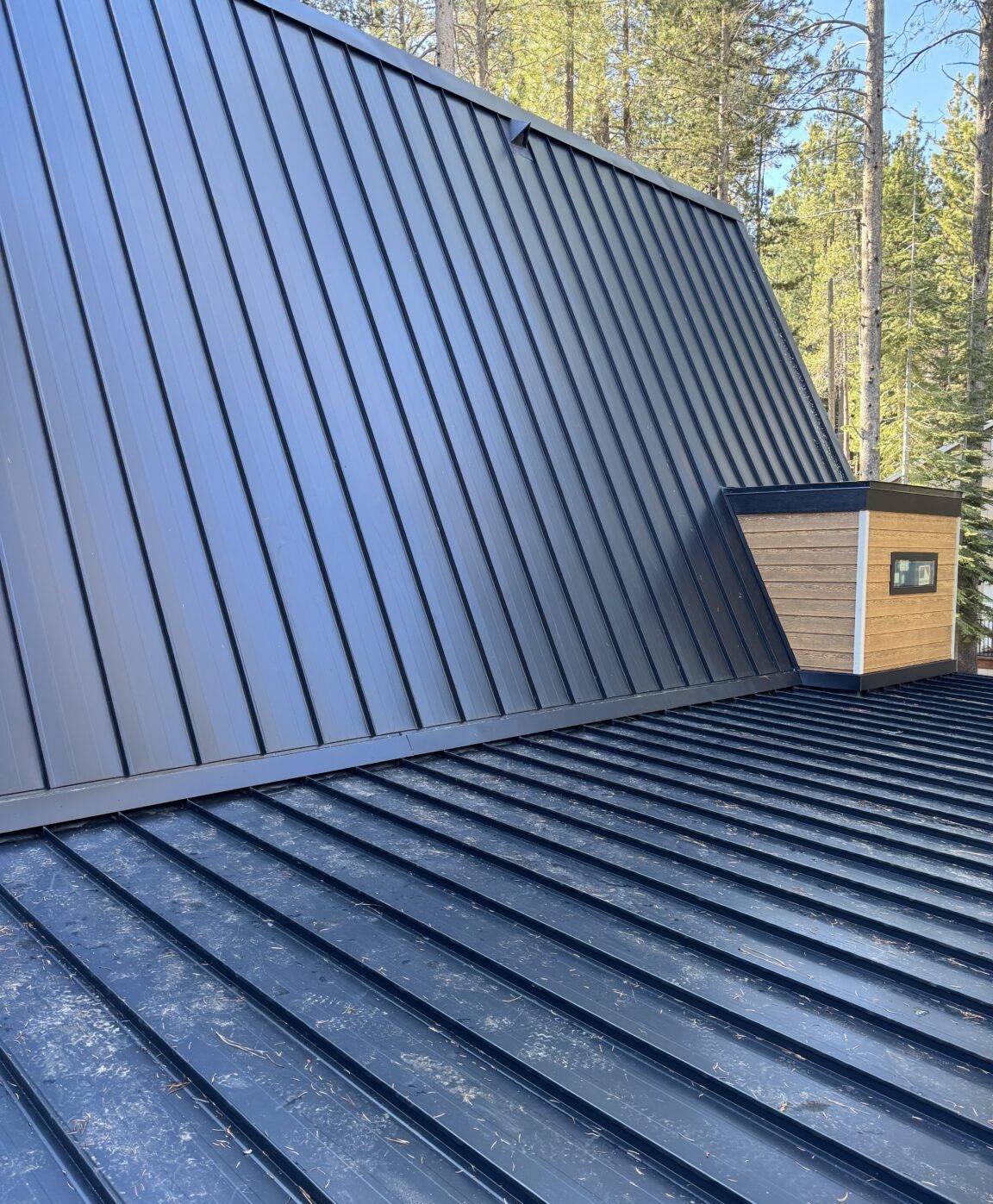
| Standing seam metal | 40+ years | Excellent wind uplift resistance; handles salt air well with the right coating | Higher upfront, lower lifetime cost |
| Concrete or clay tile | 30–50 years | Very durable if fastening and underlayment are done right; heavier, needs structural check | Higher upfront, longer service life |
| 3-tab asphalt shingle | 12–15 years | Lower wind rating; we generally don't recommend it for this exposure | Lowest, but shortest lifespan |
We don't push tile or metal on every homeowner — plenty of well-built architectural shingle roofs perform well here for two decades or more when they're installed correctly. The honest answer depends on how long you plan to own the home, your budget, and your tolerance for future maintenance versus a higher upfront cost.
Our Process, Start to Finish
- On-site inspection and estimate — we walk the roof, check the decking condition where accessible, measure, and talk through material options honestly, including what we wouldn't recommend and why
- Written proposal — clear scope, materials, and pricing with no vague allowances buried in the fine print
- Permitting — pulled correctly whether your property falls under Pinellas County or the Town of Belleair's own building department, so the job passes inspection without delays
- Material delivery and site protection — landscaping, pool areas, and driveways covered before tear-off begins
- Tear-off and deck inspection — old roofing removed down to the deck, with any rot or damage documented and repaired
- Underlayment, flashing, and new roofing installed — to code minimums or above, not to the minimum that just passes inspection
- Cleanup — magnetic nail sweep of the yard and driveway, full debris haul-off
- Final walkthrough and inspection sign-off — before we consider the job done
Permitting, Wind Mitigation, and Insurance
Florida's building code sets minimum wind-resistance standards for roofing, and those minimums are stricter near the coast than they are further inland. A new roof installed to current code — with the right nailing pattern, underlayment, and fastening — can also qualify your home for a wind mitigation inspection, which many Florida insurers use to adjust premiums. We won't promise a specific discount, since that's between you and your insurer, but a properly documented new roof is generally a stronger position than an aging one when it comes time to renew your policy.
Permitting itself is straightforward but non-negotiable — an unpermitted roof can create real problems at resale or at your next insurance renewal. We handle the permit process as part of the job rather than treating it as an afterthought.
Why Local Experience in Belleair Matters
Belleair is a smaller, established community with a mix of home ages and architectural styles, and a number of streets with mature tree canopy that affects both roof drainage and how debris collects in valleys after storms. A crew that already works this area knows what to expect before the ladder goes up — how to stage equipment on tighter lots, how to work around landscaping owners have invested in over years, and which roof details tend to need extra attention on homes of a certain age in this part of Pinellas County.
That familiarity also means fewer surprises mid-project. We're not learning the local permitting process or guessing at wind exposure on your street for the first time — we've already done the work here.
What to Expect After Installation
A new roof isn't fully maintenance-free, even a well-installed one. A yearly visual check — especially after hurricane season — for lifted shingles, debris buildup in valleys, and sealant condition around penetrations goes a long way toward getting full value out of the investment. We're happy to do a post-storm check for clients after major weather events; catching a small issue early is a lot cheaper than catching it after a leak has reached the interior.
A Straightforward Checklist Before You Decide
- Confirm the contractor is licensed to work in Florida and carries current liability and workers' comp insurance
- Ask what wind rating the proposed shingle or system carries and confirm it meets or exceeds local code
- Get the fastening pattern and underlayment spec in writing, not just the shingle brand and color
- Confirm who pulls the permit and who's responsible for scheduling inspections
- Ask how decking replacement, if needed, is priced — it should be a clear per-sheet rate, not a vague allowance
- Get a clear timeline, including what happens if weather delays the schedule
If your roof is showing its age or you just want an honest read on whether repair or replacement makes more sense for your Belleair home, we're glad to take a look. The estimate is free, there's no pressure, and you'll get a straight answer either way — just fill out the form below to get started.