 Clearwater Siding
 New Roof Installation for Palm Harbor Homes
Palm Harbor sits close enough to the Gulf that homes here take a different kind of beating than roofs a few miles inland. Salt-laden air moves through on the sea breeze, afternoon thunderstorms roll in fast and hard through the summer, and every roof in the area has to be built to survive whatever tropical system eventually tracks through Pinellas County. When a roof on a Palm Harbor home reaches the end of its service life, replacing it isn't just a maintenance chore — it's an opportunity to correct whatever weaknesses let the old roof fail early in the first place.
This page covers what a full roof replacement looks like for a Palm Harbor property specifically: the local conditions that shape material and installation choices, what a correct tear-off and install actually involves, and how our process runs from first look to final walkthrough.
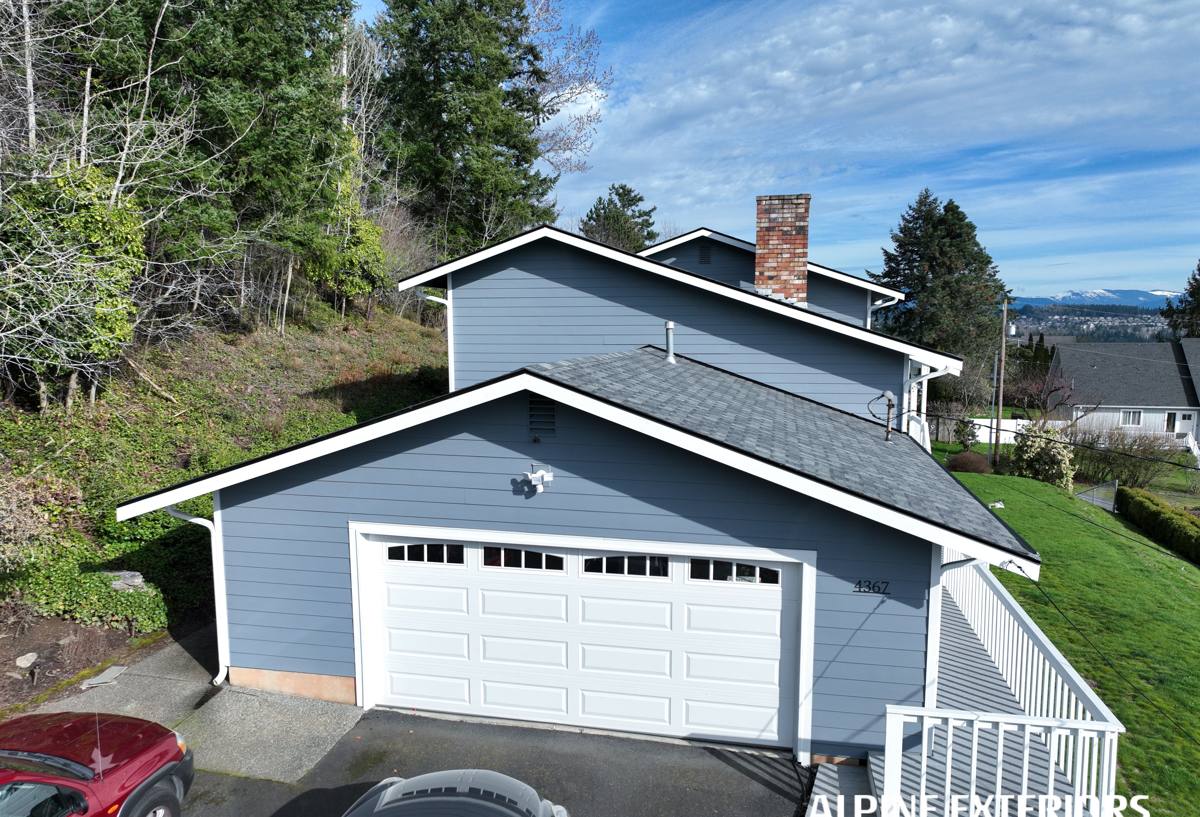
Why Palm Harbor's Climate Changes the Job
A roof installed the same way in a landlocked, mild climate would not last here. Several things stack up against roofing systems in this part of Florida, and a competent install accounts for all of them at once — not just wind speed on a spec sheet.
Wind and Storm Exposure
Palm Harbor is well within reach of hurricane-force winds and the wind-driven rain that comes with tropical systems. Roofs here need to resist uplift at the edges and corners — the areas that fail first in a storm — and every penetration and seam needs to shed water that's being pushed sideways, not just falling straight down.
Year-Round UV Load
Florida's sun doesn't take a season off. Intense, near-constant UV exposure breaks down asphalt shingle mats, dries out sealant strips, and accelerates the aging of underlayment faster than in most of the country. A roof that would last 25 years in a milder climate may not get there here without the right materials and enough attic ventilation to keep temperatures under control.
Salt Air
Being close to the coast means airborne salt settles on roofing materials and metal components over time. Fasteners, flashing, and any exposed metal need corrosion resistance built in from the start, because salt exposure accelerates rust and pitting on anything not rated for it.
Wind-Driven Rain
Heavy summer storms in this area rarely fall straight down. Wind pushes rain sideways and up under shingle edges, around vents, and into any gap in flashing that wouldn't be a problem in a calmer climate. Underlayment and flashing details matter more here than they would somewhere with gentler weather.
What a Correct Roof Replacement Involves
A roof is a system, not just a layer of shingles. Skipping any one part of the system is usually where premature failures start.
Tear-Off and Deck Inspection
We remove the old roofing down to the deck rather than layering over it. This lets us actually see the plywood or OSB underneath, which is the only way to know for sure whether there's rot, delamination, or soft spots from long-term moisture intrusion — all common in humid coastal climates. Any damaged decking gets replaced before anything new goes down; installing new roofing over a compromised deck just guarantees a shorter lifespan.
Underlayment
The underlayment is the roof's backup layer if wind ever drives water past the shingles or tiles. In a wind-driven rain climate like this one, we don't treat it as an afterthought — proper coverage and lapping matter as much as the visible roofing above it.
Flashing
Flashing around chimneys, skylights, walls, and roof-to-roof transitions is where most leaks actually start, not in the open field of the roof. Correct flashing work means new metal, proper laps, and sealant used correctly rather than as a substitute for good detailing.
Ventilation
Proper intake and exhaust ventilation keeps attic temperatures and moisture in check. In a climate with this much sun exposure, poor ventilation shortens shingle life and can contribute to moisture problems in the attic that show up as damage you don't see until it's advanced.
Fastening and Wind Rating
Nailing pattern, fastener spacing, and the roofing material's wind rating all need to match what local wind exposure actually calls for — not the minimum a product technically allows. This is one of the areas most likely to be rushed on a lower-quality install and is the first thing that shows up in an insurance inspection after a storm.
Roofing Material Options for Palm Harbor Homes
There's no single "best" roofing material for every home — the right choice depends on the home's structure, the homeowner's budget, and how long they want the roof to last. Below is an honest comparison of the main options we work with.
| Material | Typical Lifespan | Wind/Storm Performance | Considerations for This Area |
|---|---|---|---|
| Architectural asphalt shingle | 20-30 years | Good, with proper high-wind fastening and rated products | Most common, cost-effective, wide color range; sealant strips need full sun exposure to bond initially |
| 3-tab asphalt shingle | 15-20 years | Lower wind resistance than architectural | Lower upfront cost but shorter service life in this climate; less common on new installs now |
| Standing seam metal | 40-50+ years | Excellent when properly installed and fastened | Higher upfront cost, strong resistance to wind uplift and salt corrosion when coated properly |
| Concrete or clay tile | 40-50+ years | Very good, heavy and wind-resistant when correctly fastened | Common in Florida, but requires a structurally sound deck and correct underlayment beneath it |
We'll walk through the trade-offs of each option based on the specific home, not push whichever material carries the highest margin. What matters most is that whatever gets installed is installed correctly and matched to a wind rating appropriate for this area.
Our Roof Replacement Process
- On-site inspection and estimate. We look at the current roof, the deck condition where accessible, attic ventilation, and any problem areas before quoting anything.
- Material selection. We go over the honest pros and cons of each option for the home's structure and the homeowner's budget and priorities.
- Scheduling around weather. Florida's rain patterns mean timing matters — we plan installs to minimize the window the deck is exposed.
- Tear-off and deck inspection. Full removal of the old roofing, inspection of the deck, and replacement of any compromised sections.
- Underlayment and flashing installation. The parts of the system that do the most work when a storm actually hits.
- Roofing material installation. Installed to the fastening pattern and spacing the material and wind exposure call for.
- Final walkthrough. We review the completed roof with the homeowner and address any questions before we consider the job done.
Why Local Experience Matters
A crew that regularly works Pinellas County homes already knows what this climate does to a roof over time — where wind tends to find the weak points, how salt air treats exposed metal, and what kind of underlayment and flashing detail actually holds up here. That's different from a crew that installs the same way regardless of region. Local experience also means faster response if a homeowner needs a post-storm inspection or has questions about how their new roof performed during a weather event, and familiarity with the permitting and inspection process for this jurisdiction.
Signs Your Roof Needs Replacing
- Shingles that are curling, cracking, or missing granules in large patches
- Visible sagging anywhere on the roofline
- Daylight visible through the roof deck from inside the attic
- Water stains on ceilings or in the attic after heavy rain
- A roof that's approaching or past the manufacturer's expected service life
- Storm damage — lifted shingles, exposed underlayment, or missing sections after high wind
- Rising energy bills that may point to failing attic insulation or ventilation tied to roof condition
Not every one of these means a full replacement is necessary — sometimes a repair is enough. Part of an honest estimate is telling a homeowner when repair is the right call instead of pushing a full replacement that isn't needed yet.
What Affects the Cost of a New Roof
Roofing costs vary enough from home to home that a flat number isn't useful, but the main factors are consistent:
- Roof size and the number of facets, valleys, and penetrations
- Material chosen (asphalt shingle vs. metal vs. tile carry very different price points)
- Current deck condition and how much replacement decking is needed
- Roof pitch and accessibility
- Removal and disposal of the old roofing
- Any additional ventilation or flashing upgrades needed to bring the system up to standard
We provide a written estimate that breaks these factors down so a homeowner knows exactly what they're paying for, rather than a single lump number with no explanation behind it.
If your roof in Palm Harbor is showing its age or didn't hold up the way it should have through recent weather, we're happy to take a look and give you a straightforward, no-pressure estimate — just fill out the form below to get started.