 Clearwater Siding
 Roof Repair Built for an Island Address
Island Estates sits differently than most Clearwater neighborhoods. It's surrounded by water on nearly every side, which means every roof on the island takes on more salt air, more direct wind, and more moisture exposure than a home a few miles inland. That difference shows up in how fast a roof ages and how quickly a small leak turns into a real problem. A repair that would hold up fine in a landlocked subdivision can fail early here if it isn't done with island conditions in mind.
We repair roofs on Island Estates regularly, and we approach every job the same way: find the actual cause of the problem, not just the symptom, and repair it with materials and methods suited to a waterfront property in Pinellas County. That's a different standard than a generic patch job, and it's the reason repairs done right the first time actually stay fixed.
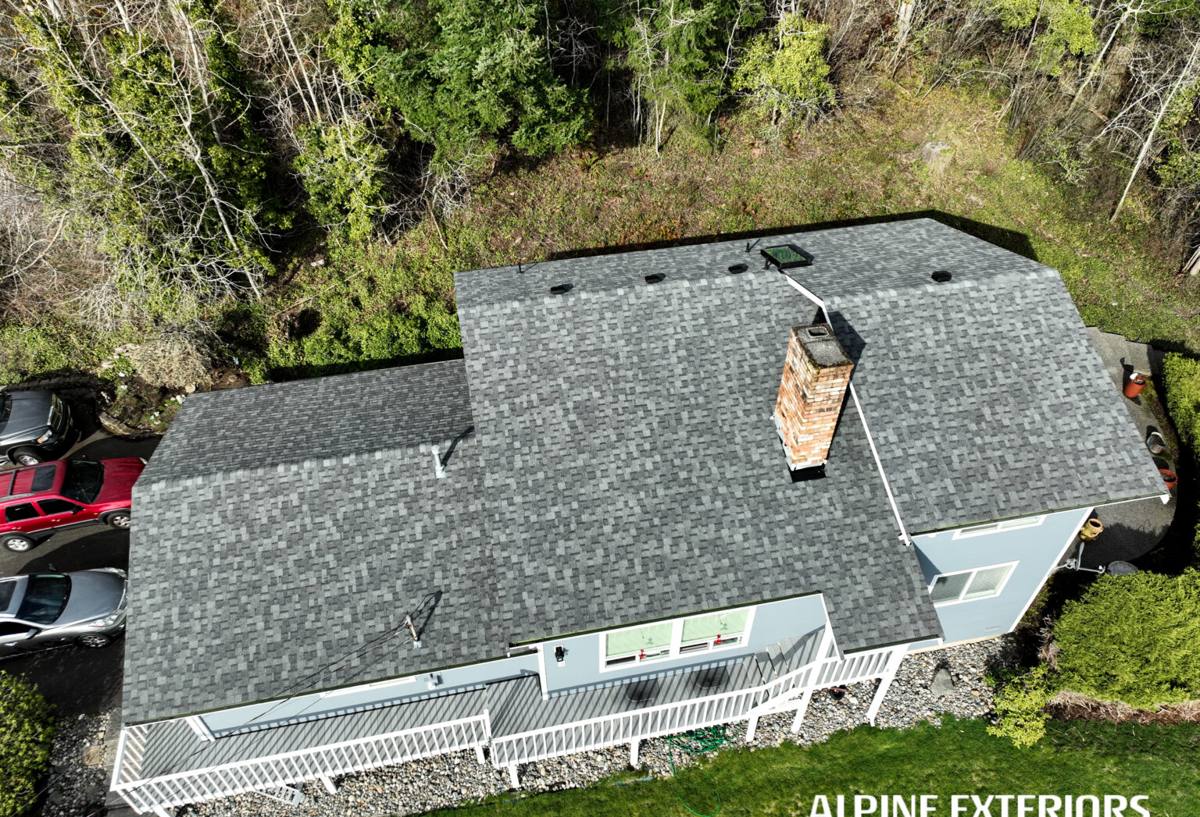
Why Island Estates Roofs Wear Differently
Salt Air and Corrosion
Being surrounded by open water means airborne salt is a constant on Island Estates, not an occasional coastal breeze. Salt accelerates corrosion on exposed metal — flashing, fasteners, vent caps, and drip edge — well before the shingles or tiles themselves show their age. A roof repair that ignores the metal components and focuses only on the visible covering is treating half the problem.
Wind and Uplift
Island homes catch wind from more directions with less buffering from surrounding structures or tree cover. During Gulf Coast storm season, that means more sustained pressure on ridge lines, eaves, and roof edges — the areas most prone to lifting shingles, cracking tile, or loosening fasteners. Repairs need to account for uplift resistance, not just cosmetic appearance.
Wind-Driven Rain
Rain that comes in sideways behaves nothing like rain falling straight down. It gets forced up and under shingles, around flashing, and into any gap that a calm-weather roof would never expose. A repair that would seal a leak in dry, still conditions can still fail during the next wind-driven storm if the underlying flashing and underlayment weren't addressed too.
Year-Round UV Exposure
Florida's UV load is intense for most of the year, and an open, waterfront lot like those on Island Estates rarely has much shade. UV breaks down asphalt shingle oils and dries out sealants faster than in shaded, inland settings, which is part of why roofs here often need attention sooner than their rated lifespan would suggest.
Common Roof Repair Issues We See on the Island
Every roof and every home is different, but certain problems come up often enough on Island Estates that we watch for them specifically:
- Lifted or missing shingles along ridges and roof edges where wind uplift concentrates
- Corroded or failing flashing around chimneys, skylights, and roof-to-wall transitions
- Cracked or slipped tiles on tile roofs, often from wind impact or foot traffic during past work
- Deteriorated pipe boots and vent seals where sealant has dried out under UV exposure
- Ponding or membrane wear on the low-slope and flat roof sections common on modern waterfront builds
- Rusted fasteners and metal trim from sustained salt air exposure
- Soft decking or staining in the attic, a sign that a leak has been active longer than the visible damage suggests
What a Correct Roof Repair Actually Involves
A roof repair is only as good as the diagnosis behind it. Sealing the spot where water is dripping into the house doesn't fix anything if the actual entry point is several feet away — a common situation, since water travels along the underside of decking before it ever shows up as a stain on the ceiling below.
A proper repair on an Island Estates home includes:
- A full roof inspection, not just a look at the reported problem area — because salt air and wind stress affect the whole roof, not one isolated spot
- Attic and decking checks where accessible, to confirm whether water intrusion has caused hidden rot or saturated insulation
- Flashing and metal evaluation, since corrosion-prone components often need replacement even when the surrounding roofing material is otherwise sound
- Matching materials — shingles, tile, or membrane that reasonably match what's already on the roof, so the repair doesn't stand out or create a new weak seam
- Correct fastening and sealing methods rated for coastal wind exposure, not standard inland practice
Our Roof Repair Process
We keep the process straightforward and communicate at every step, because the worst part of a roof repair for most homeowners is not knowing what's actually wrong or what it will take to fix it.
1. Inspection and Diagnosis
We get on the roof, examine the affected area and the surrounding sections, and check accessible attic space if there are signs of interior water intrusion. We look at flashing, fasteners, and metal components specifically, given how much faster those fail in this environment.
2. A Clear, Honest Explanation
We tell you what we found, what's causing the problem, and what your realistic options are — including when a repair makes sense and when a section of the roof has aged past the point where patching it is a good use of your money.
3. A Written Estimate
You get a clear scope of work and price before anything is repaired, with no pressure to decide on the spot.
4. The Repair Itself
We replace or reseal only what needs it, using materials suited to coastal exposure, and we photograph the work area before closing it back up so there's a record of what was actually done underneath the surface.
5. Follow-Up
If a repair doesn't hold, or if a related issue shows up afterward, we address it. A repair that fails within a reasonable window after the work was done is on us to make right.
Repair vs. Replacement: How We Help You Decide
Not every roof problem needs a full replacement, and not every leak can be fixed with a patch. The right call depends on the roof's age, how widespread the damage is, and how many prior repairs it's already had.
| Situation | Repair Usually Makes Sense | Replacement Is Usually the Better Value |
|---|---|---|
| Roof age | Roof is under roughly 10-15 years old | Roof is near or past its expected service life |
| Damage extent | Isolated to one section or one cause (a single flashing failure, storm-damaged spot) | Multiple areas failing independently across the roof |
| Repair history | First or second repair on this roof | Roof has needed repeated patches in different spots |
| Underlying decking | Decking is sound where checked | Decking shows rot or soft spots in multiple areas |
| Material condition | Surrounding shingles/tile are still flexible and intact | Surrounding material is brittle, cracked, or granule-bare |
We'll always tell you honestly which category your roof falls into. A repair we know won't hold isn't worth doing, and we'd rather lose that job than have you pay twice.
What Roof Repair Typically Costs
Every roof and every repair scope is different, so exact pricing only comes from an on-site look. In general terms, though, cost is driven by a handful of factors:
| Factor | Why It Matters |
|---|---|
| Size of the repair area | A single flashing repair costs far less than resealing an entire roof section |
| Roof access and pitch | Steep or hard-to-access roofs take longer and require more safety setup |
| Roofing material | Tile repair generally costs more than shingle repair due to material and handling |
| Hidden decking damage | If wet or rotted decking is found, replacing it adds to the scope |
| Material matching | Older or discontinued shingle/tile colors can be harder and pricier to match |
Small, isolated repairs are typically a modest expense; larger repairs involving decking replacement or multiple problem areas cost more. We'll give you a firm number in writing before any work starts.
Why Local Experience on Island Estates Matters
A crew that mostly works inland neighborhoods doesn't necessarily think about salt-air corrosion on flashing or the wind exposure of a roof surrounded by open water on multiple sides. Working Island Estates regularly means we already know to check the metal components first, expect faster sealant breakdown from UV, and account for wind-driven rain patterns that don't show up the same way a few miles inland.
We're also familiar with the practical side of working on an island property — tighter lot layouts, boat and dock equipment to work around, and the general expectation of a clean, careful crew on a property where neighbors are close by. That's not a technical skill, but it matters to how the job actually goes.
Before You Call a Roofer: A Quick Checklist
If you're noticing signs of a roof problem on your Island Estates home, a little groundwork helps any contractor — including us — give you a faster, more accurate assessment:
- Note when you first noticed a leak or stain, and whether it appears during or right after storms
- Check your attic (if safely accessible) for staining, dampness, or a musty smell
- Look at your ceilings and walls for discoloration, especially near chimneys, skylights, or exterior walls
- Note the approximate age of your roof, or when it was last replaced or repaired
- Take photos of any visible damage from the ground — missing shingles, lifted tile, damaged vent covers
- Avoid climbing onto the roof yourself; let a professional assess it safely
- Get more than one opinion if a contractor recommends full replacement for what seems like a minor issue
Protecting Your Roof Between Repairs
A few habits go a long way toward extending roof life in a salt-air, high-UV climate like Clearwater's:
Keep gutters and downspouts clear so water doesn't back up under the roof edge. Have your roof looked at after any significant windstorm, even if you don't see obvious damage from the ground — wind can lift a shingle or crack a tile without it being visible from below. Trim back any overhanging vegetation that holds moisture against the roof surface. And schedule a roof inspection every year or two rather than waiting for a leak to show up inside the house, since catching flashing or sealant wear early is far cheaper than repairing water damage after the fact.
If you're dealing with a leak, storm damage, or just want an honest read on your roof's condition, we're glad to take a look. Request a free, no-pressure estimate using the form below and we'll get back to you with a clear assessment and straightforward pricing.