 Clearwater Siding
 Deck Repair Built for Seminole's Climate, Not a Generic Fix
Seminole sits close enough to the Gulf that every deck in the area lives under the same combination of stressors: intense year-round sun, salt-laden air, wind-driven rain, and the occasional direct hit from a tropical system. A deck repair that works fine in a drier, milder climate can fail here within a season or two if it doesn't account for those conditions. We work on decks throughout the Clearwater and greater Pinellas County area, and Seminole's mix of older homes and newer construction means we see the full range — from decks that were built decades ago and patched piecemeal, to newer composite decks with a single failed section.
This page focuses specifically on deck repair for Seminole homeowners: what actually goes wrong here, what a correct repair looks like, and how to tell a repair job from a replacement job before you spend money on the wrong one.
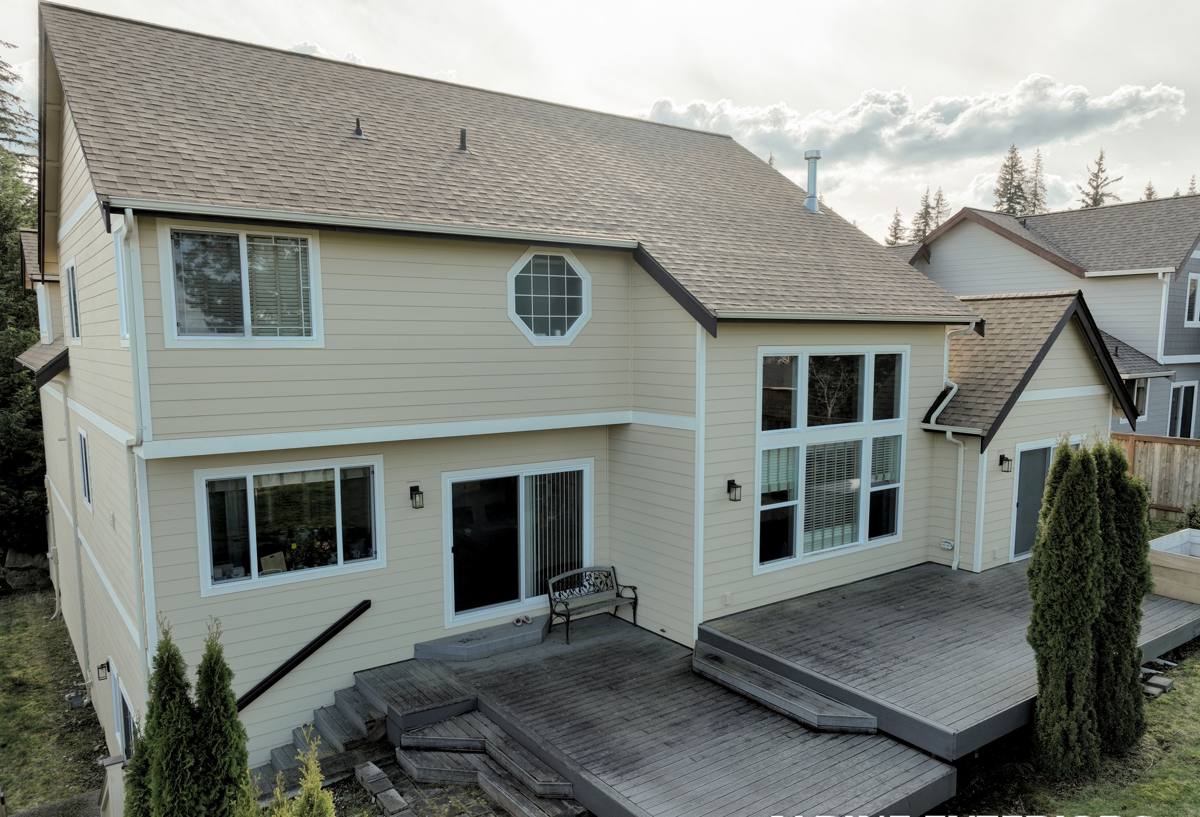
Why Decks in This Area Take Extra Abuse
Sun and UV
Florida sun is not the same as sun anywhere else. UV exposure breaks down wood fibers at the surface, dries out natural oils, and accelerates the failure of any finish or sealant far faster than manufacturers' ratings assume for northern climates. On unsealed or under-maintained wood decking, you'll see graying, splintering, and surface checking (those small parallel cracks) well before the structure underneath is actually compromised — which is exactly why cosmetic damage and structural damage get confused so often.
Humidity, Rain, and Rot
Afternoon storms are a near-daily fact of life for much of the year, and wind-driven rain gets pushed into places a vertical rain shower never would — under railings, into ledger board connections, behind fascia boards. Combined with high ambient humidity, this creates ideal conditions for wood rot in any spot where water can collect or get trapped, especially where decking meets the house.
Salt Air and Metal Fasteners
Even set back from the immediate coastline, homes in this part of Pinellas County get enough salt in the air to accelerate corrosion on fasteners, brackets, and hardware. Standard galvanized screws and nails that would last many years inland can start rusting and losing grip strength noticeably sooner here. A repair that reuses old fasteners, or uses the wrong grade of new ones, is a repair that's built to fail again.
Wind Load
Decks need to handle real wind forces, not just support foot traffic. Loose railings, marginal ledger connections, or undersized hardware are cosmetic non-issues in calm weather and genuine safety hazards in a storm. Any repair we do accounts for wind load, not just how the deck looks and feels on a calm day.
What a Real Deck Repair Actually Involves
"Deck repair" covers a wide range of work, and part of doing it right is correctly diagnosing which of these categories you're actually dealing with before any board gets pulled up.
- Structural framing: joists, beams, posts, and the ledger board connection to the house — the part that determines whether the deck is actually safe.
- Decking surface: the boards you walk on — subject to cupping, splintering, UV fading, and moisture damage.
- Railings and guards: often the first thing to loosen, and a genuine fall hazard when they do.
- Stairs and stringers: high-stress components that take repeated impact and are frequently under-built to begin with.
- Fasteners and hardware: screws, joist hangers, post bases, and connectors — easy to overlook, but often the actual point of failure.
- Finish and protective coating: the sealant or stain layer that determines how fast the next round of sun and rain damage happens.
A competent repair addresses the actual failure point, not just the visible symptom. Replacing a few gray, splintering boards without checking the framing underneath is a common shortcut that leaves the real problem in place.
The Problems We See Most Often in Seminole
Ledger Board Rot
The ledger board — where the deck attaches to the house — is the single most safety-critical connection on most decks, and it's also the part most exposed to trapped moisture from wind-driven rain running down the siding. Rot here doesn't always show from the top; it often has to be checked from underneath or by probing the wood directly.
Cupped, Splintering, or Checked Decking Boards
Sun and moisture cycling causes wood to cup (curl at the edges) and split at the surface. This is usually a decking-level repair, not a structural one, but it's worth confirming the framing underneath hasn't also taken on water.
Corroded Fasteners and Connectors
Rust streaks bleeding out around screw heads or joist hangers are a sign the hardware is failing, even if the wood around it still looks intact. Left alone, this becomes a structural issue.
Loose or Wobbly Railings
Railing posts loosen as the wood around their fasteners weakens or as connections were under-built originally. This is one of the more common calls we get, and one of the more important ones to address quickly.
Stair Stringer Wear
Stairs take concentrated impact and often sit closer to grade, where they pick up more moisture. Stringer rot or a shifted stringer connection is a frequent, and frequently underestimated, repair need.
Wood, Composite, or PVC: Repair Considerations Differ by Material
What material your deck is built from changes both what typically goes wrong and how a repair should be approached.
| Material | Common failure mode here | Repair consideration |
|---|---|---|
| Pressure-treated wood | Rot at fasteners and ground contact points, UV graying, splintering | Matching board dimensions and re-sealing after repair is important to avoid a mismatched, unprotected patch |
| Cedar or other natural wood | Surface checking, color fading, softening if under-sealed | Requires re-finishing after repair to restore UV and moisture protection |
| Composite decking | Fading or discoloration at the surface, occasional swelling at cut edges exposed to moisture | Exact color/profile matching for replacement boards can be limited by discontinued product lines |
| PVC decking | Generally the most moisture-resistant surface option, but expansion/contraction and fastener spacing matter | Repairs need to respect manufacturer spacing specs to avoid future buckling |
We don't push homeowners toward a specific brand or material for its own sake. Each option has real trade-offs in appearance, maintenance burden, and how it ages in this climate specifically — we'll walk through those trade-offs honestly rather than upselling a product.
How We Approach a Deck Repair
1. Inspection First
Before quoting anything, we check the framing, ledger connection, fasteners, and surface condition — not just the section that prompted the call. A soft board is often a symptom; the cause is frequently a few feet away.
2. Honest Scope
We tell you what's cosmetic, what's structural, and what's borderline. If a repair genuinely needs to become a larger job to be done safely, we say so and explain why — we don't pad scope, and we don't shrink it to win the job either.
3. Matching Materials and Hardware
We use fasteners and connectors rated for this climate's humidity and salt exposure, not whatever's cheapest. For wood and composite repairs, we work to match existing board profiles and finishes as closely as the current product lines allow.
4. Code-Aware Structural Work
Any structural repair — ledger reattachment, post replacement, railing reinforcement — is done to current Florida Building Code requirements for the load and wind conditions this area actually sees, not just to "look fixed."
5. Finish and Protection
Where the repair involves wood, we finish it with UV- and moisture-appropriate sealant so the new work ages at the same rate as the rest of the deck, rather than becoming the next problem spot.
Repair or Replace? How to Tell
Not every deck problem justifies a full rebuild, and not every deck problem is safely solved with a patch. Here's the general logic we use when a homeowner asks which one they need.
| Factor | Leans toward repair | Leans toward replacement |
|---|---|---|
| Extent of rot | Isolated to one or two boards/posts | Widespread across framing or multiple structural members |
| Ledger board condition | Solid, properly flashed | Rotted, poorly flashed, or improperly attached originally |
| Age of deck | Under 10-15 years, built to reasonable standards | Older deck already patched multiple times previously |
| Fastener/hardware condition | Localized corrosion | Widespread rust or undersized connectors throughout |
| Original construction quality | Adequately framed and spaced originally | Under-built from the start, now compounding with age |
When in doubt, an honest inspection is worth more than a guess — we'll tell you plainly which side of that line your deck falls on.
Why a Crew That Already Works in Seminole Makes a Difference
Deck repair isn't purely a technical exercise — local familiarity matters in a few concrete ways. A crew that regularly works Seminole and the surrounding Clearwater area already understands Pinellas County's permitting process for structural deck work, knows which fastener and hardware grades actually hold up against local salt air over years (not just on paper), and has a realistic sense of how quickly UV and humidity here degrade an unsealed repair. That translates into fewer surprises, fewer callbacks, and a repair that's sized correctly to this specific climate rather than a generic set of assumptions.
It also means faster response and follow-up. If a repair needs a short adjustment period after the first heavy rain or a stretch of intense sun, being local means we can come back out without a multi-week wait.
Keeping a Repaired Deck in Good Shape Afterward
A correct repair buys you years, but a little upkeep protects that investment. After any deck repair, a few habits go a long way in this climate:
- Reseal or restain wood decking on a regular schedule — UV exposure here shortens the effective life of most finishes compared to milder climates.
- Check fasteners and railing connections a couple of times a year for early rust staining or looseness.
- Keep debris and standing water off the deck surface, especially around the ledger board and post bases.
- Inspect after any major storm for shifted boards, loose railings, or new gaps at the ledger connection.
- Address small issues (a loose baluster, a single cupped board) promptly, before they turn into a framing problem.
If you're dealing with a soft board, a wobbly railing, or you just want an honest read on whether your deck needs a repair or something more, we're happy to take a look. Estimates are free and there's no pressure — fill out the form below and we'll set up a time to come out and assess your deck in person.