 Clearwater Siding
 Storm Damage Is Different in Seminole
Seminole sits close enough to the Gulf and the Intracoastal that every named storm season brings the same combination of threats to local roofs: sustained hurricane-force wind, wind-driven rain that gets pushed sideways instead of falling straight down, and salt-laden air that quietly corrodes metal components year-round. Add in Pinellas County's intense, near-constant UV exposure, and you have a climate that ages roofing materials faster than almost anywhere else in the country, then hits them with sudden, violent stress on top of that fatigue.
That combination matters for how storm damage should be repaired. A roof that's already brittle from UV exposure and years of humidity cycling doesn't respond to wind the same way a newer roof does, and a repair that only addresses what blew off in the last storm — without accounting for the condition underneath — tends to fail again in the next one. Storm damage repair in Seminole isn't just about patching what's visibly missing; it's about understanding what the storm exposed.
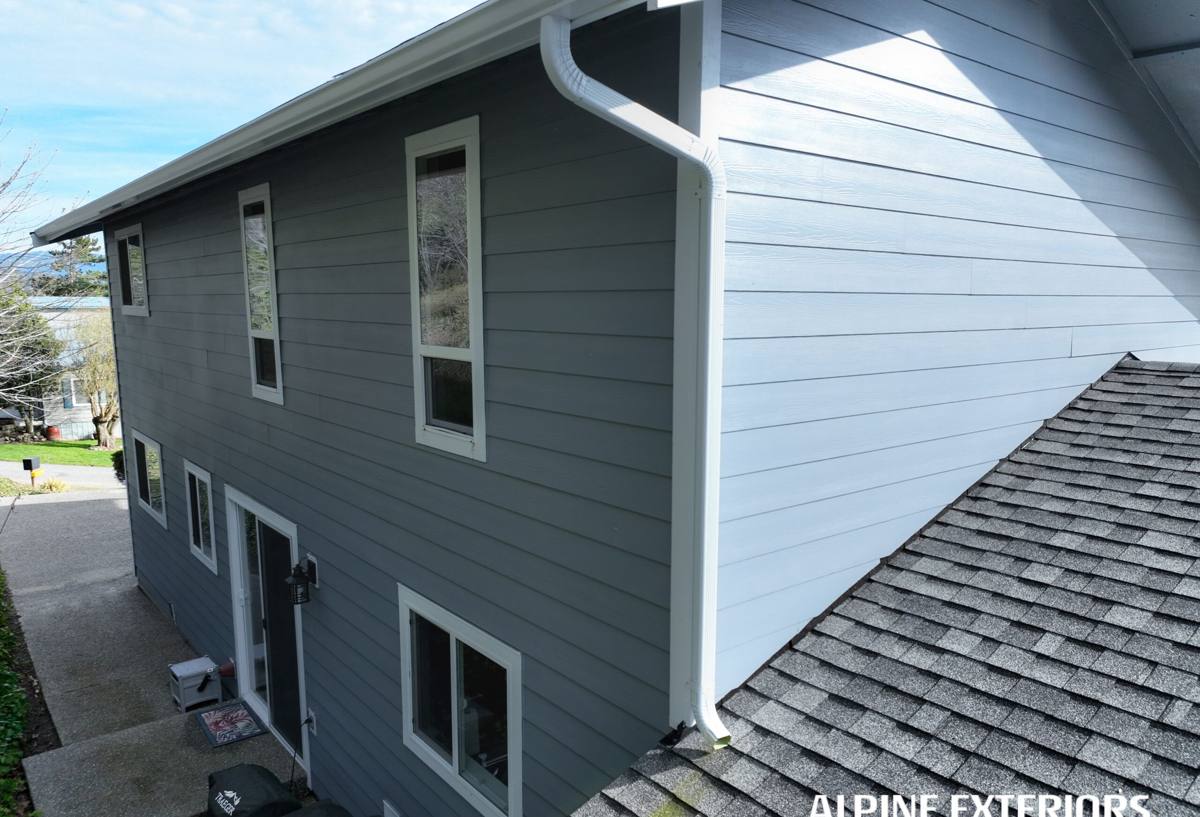
What Storm Damage on a Roof Actually Looks Like
Wind Damage
Wind rarely just "removes" shingles cleanly. More often it lifts the tab edge, breaks the sealant bond, and creases or cracks the shingle before it tears loose or blows back down misaligned. You'll see lifted or curling tabs, exposed nail heads where the seal has broken, missing ridge cap pieces along the roof's peak, and shingles that look intact from the ground but no longer lie flat.
Wind-Driven Rain Intrusion
This is the damage homeowners miss most often. When rain is driven horizontally by hurricane-force gusts, it can be forced underneath shingle laps, around flashing, and even through ridge and soffit vents that were never designed to shed water moving sideways. A roof can leak from wind-driven rain without losing a single shingle.
Impact Damage
Debris — tree limbs, roofing granules torn from a neighbor's roof, loose gutters, patio furniture — can bruise or puncture shingles and dent metal flashing or vents. Impact damage sometimes looks minor at first (a soft spot, a dark bruise, a scuff) but accelerates granule loss and shortens the life of the shingle around it.
Damage You Can See vs. Damage You Can't
From the ground or a quick glance, you can usually spot missing shingles, sagging gutters, or debris on the roof. What you can't see from the ground is whether the underlayment held, whether the decking underneath got wet and started to soften, whether flashing around a chimney or vent pipe shifted just enough to open a gap, or how much granule loss occurred across the field of the roof. That's the difference between a roof that looks fine and a roof that's fine. An honest inspection after a storm has to include an actual walk of the roof surface, not just a look from the driveway or a drone photo from 100 feet up.
What a Correct Storm Repair Involves
A repair that's done right after storm damage covers more ground than simply replacing what's obviously missing:
- Emergency mitigation first — if there's an active leak or exposed decking, that gets tarped or covered before anything else, to stop ongoing water intrusion into the attic and interior.
- Full inspection, not spot-checking — the whole roof plane, not just the area with visible damage, since wind damage is often scattered.
- Decking and underlayment check — any area that took water needs the decking checked for softness or delamination before new shingles go back down over it.
- Flashing review — around chimneys, skylights, vent pipes, and roof-to-wall transitions, since these are the most common source of wind-driven rain leaks.
- Matching materials and proper technique — correct nailing pattern and placement for wind resistance, not just enough nails to hold the shingle down temporarily.
- Ridge and vent components — these take direct wind load and are frequently damaged even when the rest of the roof looks fine.
Skipping any of these steps doesn't save real money — it just moves the cost to the next storm, when the same area fails again, usually with more water damage behind it the second time.
Repair or Replace? What Actually Determines It
Not every storm-damaged roof needs full replacement, and not every roof that "just needs a few shingles" should stop there. The honest answer depends on a few concrete factors:
| Factor | Repair Is Usually Right | Replacement Should Be Considered |
|---|---|---|
| Extent of damage | Isolated to one or two roof planes | Spread across most of the roof |
| Roof age | Under roughly 10–12 years, in otherwise good shape | Already near or past its expected service life |
| Decking condition | Dry, solid, no soft spots found | Softened or delaminated decking in multiple areas |
| Prior repair history | First significant repair | Repeated patching over several storm seasons |
| Insurance scope | Adjuster scope matches a repair | Adjuster or engineer determines full slope or full roof replacement |
We'll give you a straight answer based on what we actually find on your roof — not a default push toward the larger job.
Our Process
When you call after a storm, here's what to expect:
- Initial contact and, if needed, emergency tarping to stop active water intrusion.
- On-roof inspection covering the full roof surface, decking, flashing, and ventilation components — not a ground-level guess.
- Photo documentation of the damage found, which also supports any insurance claim you file.
- A written scope of work explaining exactly what needs repair, why, and what it involves — before any work starts.
- The repair itself, matching materials and installation methods to restore the roof's wind and water resistance, not just its appearance.
- A final walkthrough so you can see what was done and ask questions before we consider the job complete.
Insurance and Storm Claims: What We Tell Homeowners
We're not your insurance adjuster and we won't pretend to be, but we can tell you what we see on your roof in plain terms and give you photo documentation that supports your claim. A few things worth knowing: adjusters are evaluating what's covered under your specific policy, which can differ from what a contractor considers a proper repair. It's worth understanding your own coverage before work begins, and it's worth being cautious of any crew that shows up unsolicited after a storm pressuring you to sign a contract immediately — that pattern is common in Florida after every hurricane season and rarely ends well for the homeowner. Take your time, get the damage documented, and make the decision that's right for your roof and your policy.
Why It Matters to Hire a Crew That Already Works in Seminole
A crew that's already familiar with Seminole and the surrounding Pinellas County area knows what wind speeds and rain exposure local roofs actually deal with, understands the mix of roof types and ages common in this part of the county, and has a working relationship with local permitting requirements — which matters, because storm repairs above a certain scope typically require a permit, and getting that wrong can create problems later with a home sale or an insurance claim. Local presence also means faster response after a storm, when demand for roofing crews spikes across the whole region and out-of-town or out-of-state crews flood in temporarily, then leave once the work dries up — along with any warranty they offered.
After the Storm: A Homeowner's Checklist
- Stay off the roof — storm-damaged roofing and wet surfaces are dangerous, even for experienced crews.
- Photograph visible damage from the ground: missing shingles, debris, damaged gutters or vents.
- Check the attic and ceilings for water stains, damp insulation, or active dripping.
- Cover any active leak from the inside with a tarp or bucket to limit interior damage until repairs begin.
- Avoid signing a contract with any crew that pressures you on the spot or can't provide local references.
- Contact your insurance company to start the claims process if damage looks significant.
- Get an actual roof inspection — not just a photo estimate — before deciding on repair scope.
Get a Straight Assessment of Your Roof
If your roof took damage in a recent storm — or you're not sure whether it did and just want a professional set of eyes on it — we're happy to take a look. The estimate is free, there's no pressure to sign anything on the spot, and you'll get a clear explanation of what we find and what it would take to fix it right. Fill out the form below to get started.