 Clearwater Siding
 Why Clearwater Beach Siding Takes More Than a Standard Install
Clearwater Beach sits on a barrier island, and that location changes what a siding installation actually has to survive. Homes here face salt-laden air moving in off the Gulf almost every day, direct UV exposure that's more intense and more constant than inland Pinellas County, wind-driven rain that gets pushed sideways into wall assemblies during summer storms, and the real possibility of hurricane-force wind loads during the season. Any one of those would be a design consideration. Together, they mean a siding job on the beach has to be engineered, not just installed.
We install siding across Clearwater and the surrounding barrier island communities regularly, so this isn't abstract for us. It shapes which product we'll put on a house, how we detail the moisture barrier underneath it, and how we fasten it to the wall. This page walks through what a correct siding installation looks like specifically for a Clearwater Beach home, and what to expect if you hire us to do it.
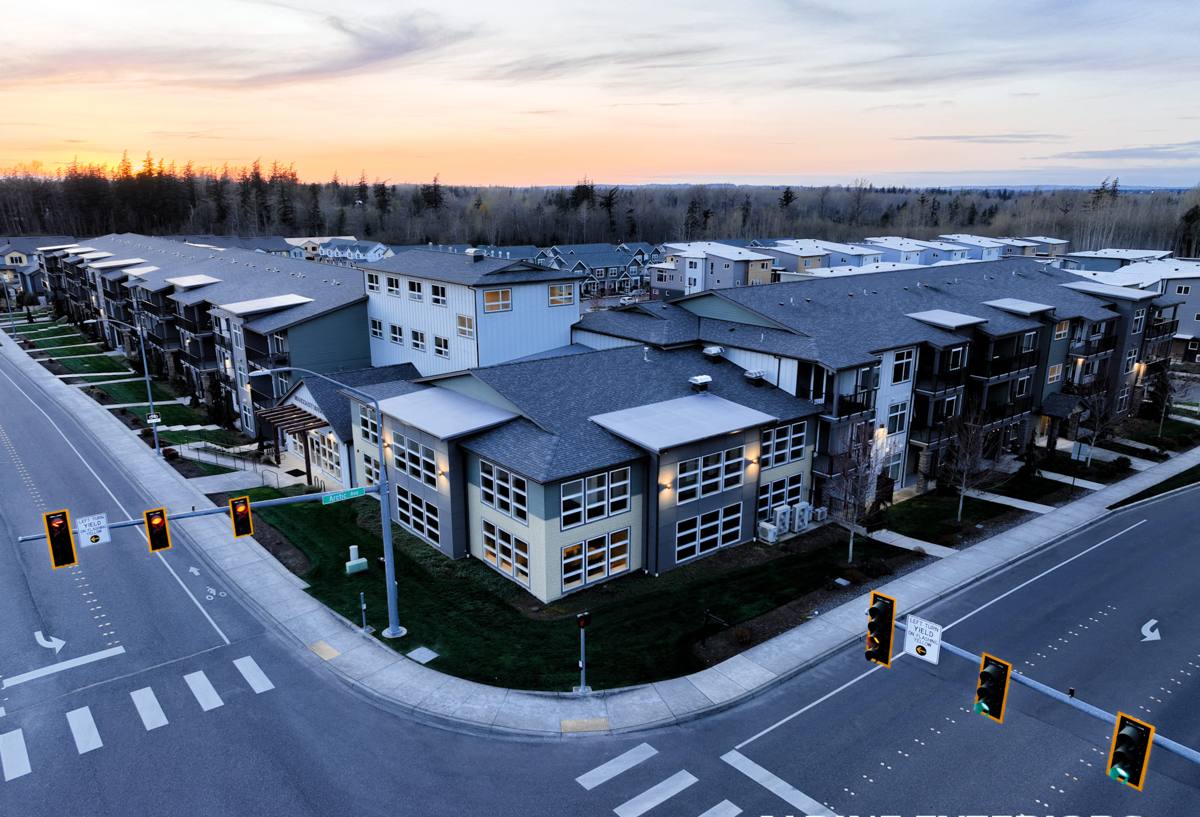
What Salt Air and Gulf UV Actually Do to Siding
It helps to understand the failure modes before talking about the fix. On a barrier island like Clearwater Beach, siding and its fasteners are dealing with three ongoing stresses:
- Salt air corrosion — airborne salt settles on and around exterior materials constantly, and it accelerates corrosion in any fastener, flashing, or trim component that isn't rated for coastal exposure.
- UV degradation — constant, high-angle sun bleaches color and breaks down surface coatings faster near the water than it does even a few miles inland.
- Wind-driven moisture intrusion — storms here don't just bring rain, they bring rain moving horizontally under pressure, which finds any gap in flashing, caulking, or panel overlap and pushes water behind the siding instead of down its face.
None of these show up as a dramatic failure the first year. They show up two, five, ten years in — as rust streaks bleeding through paint, as color that's faded unevenly on the Gulf-facing wall, or as soft sheathing behind siding that looked fine from the yard. A correct installation is built around preventing all three from the start, because none of them are easy to fix after the fact without pulling the siding back off.
Why We Only Install James Hardie Fiber Cement
We install James Hardie fiber cement siding exclusively — we don't offer vinyl, LP SmartSide, or other engineered wood products, and that's a deliberate standard, not a limitation on what we're capable of installing. Fiber cement is non-combustible, doesn't warp or degrade from UV the way vinyl can soften and distort in direct coastal sun, and holds paint and factory finish far more consistently over time near saltwater than wood-based products, which are more sensitive to moisture cycling at panel edges and cut ends.
For a Gulf-facing home, Hardie's HZ5 product line is engineered specifically for high-humidity, storm-prone climates like ours — it's built to resist moisture-related damage in exactly the conditions Clearwater Beach sees year-round. The factory-applied ColorPlus finish is baked on under controlled conditions and backed by its own finish warranty, which matters on a barrier island where field-applied paint takes a beating from UV and salt exposure faster than it would inland.
We won't pretend other products don't have a place in less demanding climates. But for a house that's going to spend decades facing the Gulf, we've made the call that fiber cement, installed correctly, is what holds up.
What "Climate-Engineered" Actually Means Here
HZ5 isn't a marketing label — it refers to specific manufacturing and formulation choices Hardie makes for humid, wind-driven-rain climates, as opposed to their HZ10 line built for freeze-thaw regions. Using the correct HZ designation for our climate zone is one of the small decisions that separates a siding job built for Clearwater Beach from a generic install using whatever a crew happened to have on the truck.
What a Correct Installation Involves on a Barrier Island
The siding itself is only part of the system. What's underneath it and how it's fastened matter just as much, especially this close to the water.
The Weather-Resistive Barrier
Everything starts with a continuous, properly lapped weather-resistive barrier over the sheathing. Every seam, every penetration, every window and door opening needs to be flashed and integrated with that barrier so water is directed out and down, never trapped behind the siding. On a home taking direct wind-driven rain off the Gulf, sloppy flashing detail is the single most common reason siding jobs fail early — not the siding material itself.
Fasteners and Wind Fastening Schedules
Fasteners have to be corrosion-resistant — we don't use standard fasteners in a salt-air environment — and they have to be placed according to a fastening schedule that accounts for the wind loads a Clearwater Beach elevation actually sees, not a generic inland schedule. Hardie publishes specific installation requirements for high-wind zones, including fastener spacing and clearance details, and following them is what keeps panels attached in a storm rather than becoming debris.
Clearances and Trim Details
Proper clearance between the bottom of the siding and the ground, roofline, deck, or driveway prevents standing water and splashback from wicking into the panel edges over time — a detail that matters more in a humid coastal climate where materials rarely get to fully dry out between rain events.
Our Installation Process
- On-site assessment — we walk the exterior, check the current condition of the sheathing and existing weather barrier where accessible, and note wind exposure by elevation (Gulf-facing walls typically need closer attention than street-facing ones).
- Product and color selection — we help you choose the right Hardie plank profile, panel type, and ColorPlus finish for the home, factoring in HOA or community guidelines where they apply.
- Tear-off and substrate check — old siding comes off and we inspect the sheathing underneath for any moisture damage before installing anything new. Problems found here get addressed before the new siding goes up, not covered over.
- Weather barrier and flashing installation — a continuous, correctly lapped barrier with detailed flashing at every window, door, and penetration.
- Siding installation to Hardie's coastal/high-wind specifications — correct fastener type, spacing, and clearances for our wind zone.
- Trim, caulking, and final detail work — the finish details that keep water moving away from the wall assembly long-term.
- Final walkthrough — we go over the finished job with you before calling it done.
Why a Crew That Already Works Clearwater Beach Matters
Barrier island jobs come with logistics and code considerations that a crew unfamiliar with the area can get wrong in ways that cost you time or money. Permitting and inspection requirements for Pinellas County coastal construction, wind-load expectations tied to the property's specific exposure, and the practical realities of parking, staging materials, and working on narrow beach-community lots are all things we've already worked through repeatedly here — they're not being figured out for the first time on your house.
Familiarity with the area also means a faster, more accurate estimate. We already know what Gulf-facing exposure typically requires versus a canal-side or interior-street lot in the same neighborhood, so the scope we give you reflects your actual home rather than a generic template.
Cost Factors for a Clearwater Beach Siding Job
Every home is different, and we won't quote a number without seeing the property, but these are the main factors that move the cost of a siding installation on the beach up or down:
| Factor | Why It Matters Here |
|---|---|
| Wall exposure (Gulf-facing vs. sheltered) | Gulf-facing walls need tighter fastening schedules and more attention to flashing detail, which affects labor time. |
| Condition of existing sheathing | Moisture-damaged sheathing found during tear-off has to be addressed before new siding goes on. |
| Home size and elevation complexity | Multi-story or elevated coastal construction (common on the barrier island) adds access and scaffolding time. |
| Trim and architectural detail | More corners, windows, and trim profiles mean more flashing and cutting work. |
| Panel profile and finish selection | Different Hardie plank widths, textures, and ColorPlus finishes carry different material costs. |
| HOA or community design requirements | Some Clearwater Beach communities have color or style guidelines that narrow product selection. |
Signs Your Current Siding Isn't Holding Up
If you're not sure whether it's time to replace your siding, these are the warning signs we look for first on a barrier island home:
- Soft or spongy spots when you press on the siding, especially near the bottom edge or around window trim
- Visible warping, buckling, or panels pulling away from the wall
- Rust streaking near fasteners or trim, a common early sign of corrosion in salt air
- Uneven fading or chalking, particularly on Gulf-facing walls
- Persistent moisture, mold, or a musty smell along interior walls that back up to exterior siding
- Caulking that's cracked, shrunk, or missing at seams and penetrations
Any one of these on its own might just need attention. Several together usually mean the underlying wall assembly is taking on moisture and it's worth having someone look at it before it gets more expensive to fix.
What to Ask Before Hiring Anyone for Coastal Siding Work
Because a barrier island installation has more failure points than an inland one, it's worth being direct with any contractor you're considering:
- Do you follow the manufacturer's published high-wind fastening schedule, and can you show it to me?
- What fasteners and flashing materials do you use, and are they rated for salt-air exposure?
- What happens if you find moisture damage in the sheathing during tear-off?
- Are you familiar with the permitting and inspection process for this part of Pinellas County?
- What warranty covers the installation itself, separate from the manufacturer's product warranty?
If a contractor can't answer those clearly, that's worth knowing before the tear-off starts, not after.
If your Clearwater Beach home needs new siding, or you're just not sure whether what's on it now is holding up, we're happy to take a look and walk you through what we'd recommend and why. There's a free, no-pressure estimate form below — reach out and we'll get you scheduled.