 Clearwater Siding
 Why Belleair Homes Put Extra Demands on Siding
Belleair sits in one of the more exposed stretches of Pinellas County, close enough to open water that homes here take on a different kind of weather stress than siding further inland. Wind-driven rain off the Gulf, salt-laden air, and near-constant UV exposure all work on an exterior at the same time, and they don't take turns — they compound. A siding system that would hold up fine in a drier, cooler climate can start failing years early once you add Florida's humidity and storm exposure into the mix.
Replacing siding on a Belleair home isn't just a cosmetic upgrade. It's a chance to correct whatever let the last system fail — often trapped moisture, undersized fasteners, or a product that was never rated for this kind of exposure in the first place — and put something in its place that's actually built for the environment it has to survive.
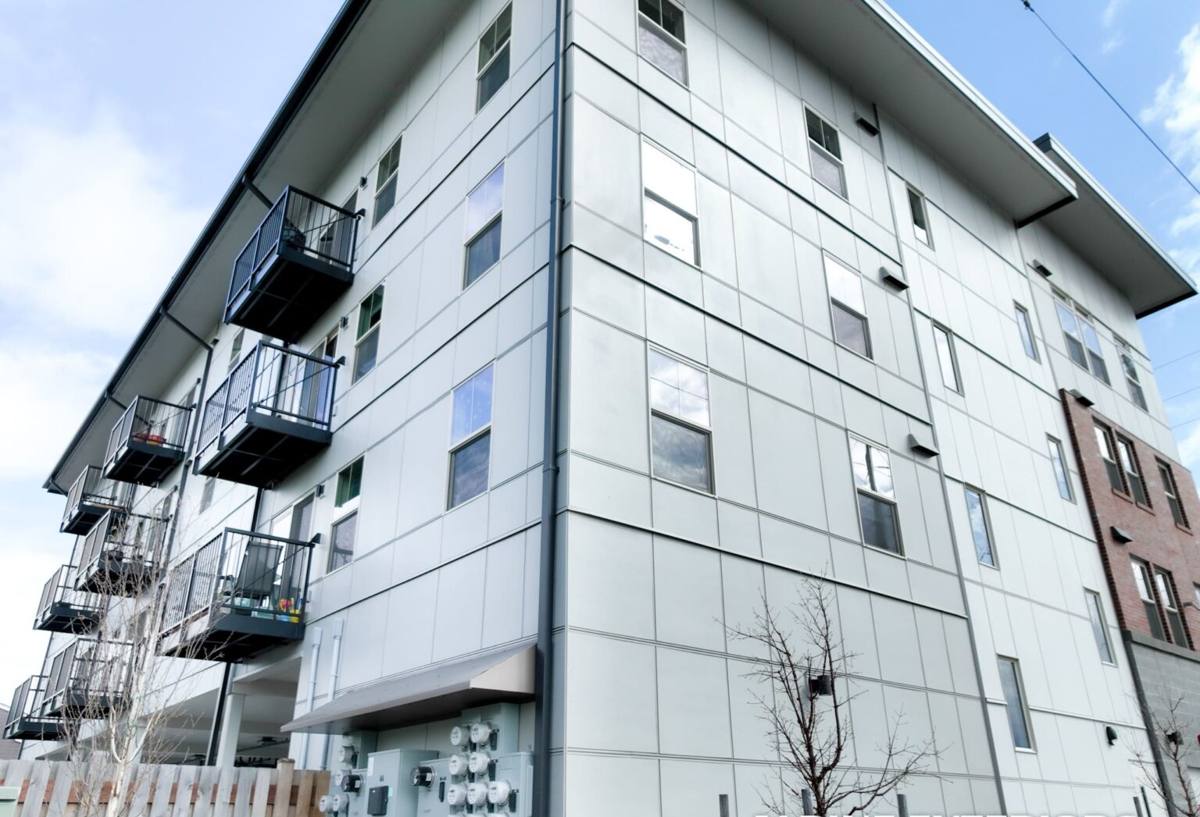
What This Climate Actually Does to Siding
Hurricane-Force Wind
Wind doesn't just push on siding — it gets underneath it. Uplift at butt joints, corners, and panel edges is where most storm-related siding failures start. Fastening pattern, panel overlap, and the manufacturer's wind rating for the specific product matter more here than in most parts of the country.
Wind-Driven Rain
During a tropical system, rain doesn't fall straight down — it's driven sideways into the wall. Siding and the water-resistive barrier behind it have to work as a system to keep that water out, not just shed water in a light shower.
Salt Air
Homes closer to the water deal with airborne salt that accelerates corrosion on fasteners, trim, and any metal components in the wall assembly. Over years, this is often what causes premature staining, streaking, and hardware failure even when the siding material itself looks intact.
Year-Round UV
Florida sun is relentless on painted and coated surfaces. Paint films chalk, fade, and eventually crack under sustained UV exposure, which is why factory-applied, UV-stable finishes hold up so much better here than field-applied paint.
Signs a Belleair Home Needs Siding Replacement, Not Just Repair
- Soft or spongy spots when you press on the siding, especially near the bottom courses or around window trim
- Visible warping, buckling, or panels that have pulled away from the wall
- Paint that's chalking heavily or peeling in sheets rather than just fading
- Persistent staining or dark streaks that keep coming back after cleaning
- Rot or soft wood discovered at trim boards, corners, or under windows
- Rusted, popped, or backed-out fasteners visible across multiple panels
- Interior signs — musty smell, bubbling drywall, or staining on interior walls that share an exterior wall
Any one of these on its own might be a repair. Several of them together, especially if the siding is decades old, usually means the underlying system has failed and patching it won't buy much time.
What a Correct Siding Replacement Actually Involves
Full Tear-Off and Substrate Inspection
You can't know what shape the wall is in until the old siding is off. A proper replacement starts with removing the existing material entirely and inspecting the sheathing underneath for rot, delamination, or water damage that has to be addressed before anything new goes up. Skipping this step and installing over a compromised wall just seals the problem in.
Water-Resistive Barrier and Flashing
A new weather-resistant barrier gets installed correctly lapped, and flashing gets detailed at every window, door, and penetration. This is the layer that actually keeps wind-driven rain out of the wall assembly — the siding itself is the second line of defense, not the first.
Fastening to Spec
In a wind zone like this one, fastener type, spacing, and embedment aren't optional details — they're what determines whether the siding stays on the house in a storm. Correct installation follows the manufacturer's fastening schedule for the local wind exposure category, not a generic pattern.
Trim, Corners, and Penetrations
Most siding failures start at transitions — corners, trim boards, vents, and anywhere the wall is penetrated. These details take more time to get right than the flat field of siding does, and they're usually where the difference between a careful crew and a rushed one shows up first.
Why We Install Only James Hardie Fiber Cement
We don't install vinyl, LP SmartSide, Cemplank, Allura, or primed wood siding, and that's a deliberate standard, not an oversight. Each of those products has legitimate uses elsewhere, but in a coastal Florida climate they carry trade-offs we're not willing to put our name behind — vinyl can distort and become brittle under sustained heat and UV, wood-based products are more vulnerable to moisture intrusion if a seal ever fails, and inconsistent quality control on some fiber cement alternatives has made warranty support a real concern.
James Hardie fiber cement is non-combustible, dimensionally stable in heat and humidity, and manufactured with a factory-applied ColorPlus finish that's baked on and warranted against fading — a meaningful advantage over field-painted siding in a climate this hard on paint. Hardie also engineers its products by climate zone, and the formulations sold in Florida are built for exactly the hot, humid, high-UV conditions a Belleair home deals with year-round, not adapted from a product designed for a colder market. Backed by a strong transferable warranty and a track record that holds up when it's installed correctly, it's the one system we're confident standing behind on every job.
Our Process, Start to Finish
- On-site assessment — we look at your current siding, trim, and any visible trouble spots, and talk through what you're seeing from the inside of the house too.
- Written estimate — a clear scope and price before any work starts, no surprise add-ons buried in fine print.
- Tear-off and inspection — full removal of the old siding and a real look at the sheathing underneath.
- Repair as needed — any rotted or damaged sheathing gets addressed before new material goes up.
- Barrier, flashing, and Hardie installation — installed to manufacturer spec for wind and moisture performance.
- Final walkthrough — we go over the finished work with you and address anything before we call the job done.
What Siding Replacement Typically Costs
Every home is different, and the honest answer is that price depends on the size of the home, the amount of trim and detail work, and how much substrate repair turns up once the old siding comes off. The table below covers the factors that move the number most, without pretending to give you a number that doesn't apply to your specific home.
| Factor | Why It Matters |
|---|---|
| Home size and wall complexity | More square footage and more corners, gables, and dormers mean more material and labor |
| Substrate condition | Rotted sheathing found during tear-off adds repair work that can't be priced sight unseen |
| Siding profile chosen | Lap siding, panel systems, and board-and-batten each have different material and labor costs |
| Trim and accessory work | Window and door trim, fascia, and soffit work add scope beyond the flat wall area |
| Access and site conditions | Landscaping, fencing, or limited access around the home can affect labor time |
We give every homeowner a written estimate before starting, so you know what you're agreeing to and why, rather than a rough number that changes once the crew shows up.
Why Hiring a Crew That Already Works in Belleair Matters
A contractor who regularly works in this part of Pinellas County already understands the wind exposure requirements, permitting expectations, and the kind of moisture and salt exposure homes here deal with. That's different from a crew that mostly works inland and treats every coastal job as a one-off. Local experience shows up in the small decisions — how flashing gets detailed at a window facing the prevailing wind, how fastening gets adjusted for a home closer to open water, what to expect when old siding comes off a house that's been through multiple storm seasons.
When you're vetting a siding contractor for a Belleair home, a few things are worth confirming directly:
- Current Florida contractor license and proof of liability insurance and workers' compensation
- Direct, verifiable experience with fiber cement installation, not just general siding or vinyl work
- A written estimate that spells out scope, materials, and what happens if substrate repair is needed
- Manufacturer-specific installation knowledge — fastening schedule, clearance requirements, and flashing details
- A clear warranty explanation, both on materials and on the labor performed
Caring for Your Siding After It's Replaced
Fiber cement with a factory finish is low-maintenance compared to painted wood or vinyl, but "low-maintenance" isn't "no-maintenance" in a coastal climate. A rinse a few times a year clears off salt residue and grime before it builds up. It's worth checking caulk joints at trim and penetrations annually, since caulk is the one component that wears out faster than the siding itself. Keep an eye on anything that trapped moisture behind it in the past — irrigation spray hitting the wall, gutters that overflow onto siding below, or plantings pressed right up against the house — since those are the conditions that shorten the life of any siding system, Hardie included.
If your Belleair home's siding is showing its age or you're just not sure whether repair or replacement makes sense, we're happy to take a look and give you a straight answer. The estimate is free, there's no pressure, and you'll get a clear, written scope before any work begins — just fill out the form below to get started.