 Clearwater Siding
 Composite Decking Built for Skycrest, Not Just Sold to It
Skycrest sits inland enough from the beaches to feel like a quieter, established part of Clearwater, but it's still squarely inside Pinellas County's coastal weather system. That means the same sun, humidity, salt-laden air, and storm season that hit the barrier islands reach Skycrest too — just with a little less direct salt spray and a little more shade from mature trees. A deck built here needs to handle all of it, year after year, without turning into a maintenance chore or a safety problem. That's the standard we hold ourselves to on every composite decking job we do in this neighborhood.
This page is specifically about composite decking for Skycrest homeowners — what the local climate actually does to a deck, what a correctly built one looks like, and how we run the job from first visit to final walkthrough.
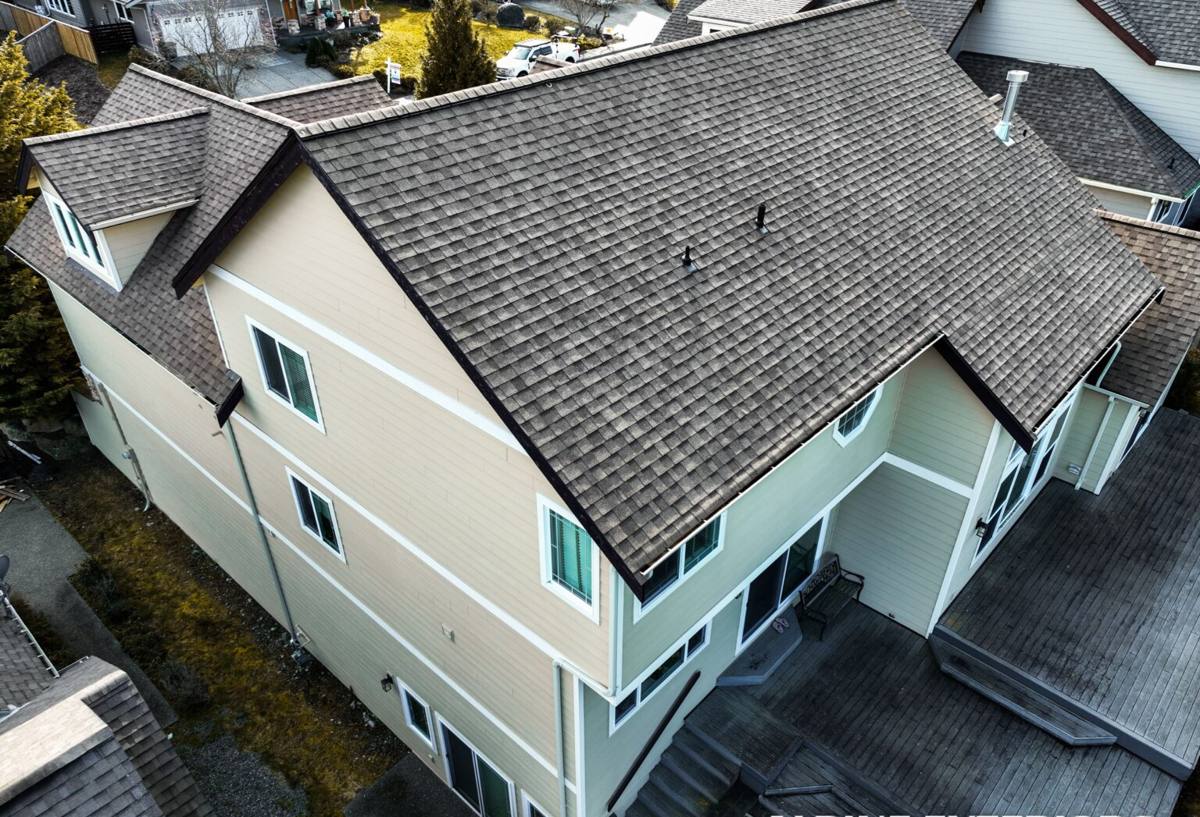
What Clearwater's Climate Actually Does to a Deck
Sun and heat
Florida sun is close to constant for most of the year. On an uncapped or lower-grade composite board, that kind of UV exposure fades color and can make the surface feel rough or chalky over time. It also means any decking material on a west- or south-facing deck in Skycrest is going to run hot underfoot in summer — worth thinking about when you're picking a color, since darker boards absorb more heat.
Humidity and wind-driven rain
Pinellas County doesn't just get rain — it gets rain pushed sideways by wind, which finds its way into fastener holes, board end cuts, and anywhere flashing was skipped. Add in the humidity that sits over the Gulf Coast almost year-round, and any wood framing, fasteners, or ledger connections that aren't properly protected will start to break down from the inside, even if the top of the deck still looks fine.
Salt air
Skycrest isn't beachfront, but salt air still travels inland across Pinellas County, especially on windy days. It settles on metal hardware — screws, joist hangers, brackets — and speeds up corrosion. A deck that looks solid can have weakened connections underneath if the fasteners weren't rated for a coastal environment.
Hurricane-force wind
Storm season is part of living here. A deck's structure, railing connections, and attachment to the house all need to be built to hold up under real wind load, not just look sturdy on a calm day.
Why Composite Decking Makes Sense for This Climate
Composite decking isn't automatically the right answer for every project, but for the conditions Skycrest deals with, it holds up better than most alternatives with a lot less upkeep. Here's how the common options compare for a Gulf Coast property specifically:
| Material | Moisture & humidity handling | Maintenance | Typical lifespan here | Upfront cost |
|---|---|---|---|---|
| Pressure-treated wood | Absorbs moisture, prone to warping/splitting in humid coastal air | Regular sealing/staining needed | Shorter without diligent upkeep | Lowest |
| Composite decking | Resists moisture absorption, doesn't rot | Occasional cleaning, no sealing/staining | Long, with a manufacturer warranty | Mid to upper |
| PVC/vinyl decking | Fully moisture-resistant | Low, but can look and feel less like natural wood | Long | Highest |
We install composite decking as our standard recommendation for most Skycrest projects because it strikes the best balance: it doesn't rot, it doesn't need staining or sealing, and it's engineered to resist the fading and moisture damage that this climate causes faster than most homeowners expect. That said, the framing and fasteners underneath still matter as much as the boards on top — a composite deck is only as good as the substructure it's built on.
What a Correct Composite Deck Installation Actually Involves
The visible boards are the smallest part of doing this job right. Most of the problems we get called out to fix on other people's decks started below the surface, not on top of it.
- Ledger flashing: Where the deck attaches to the house needs proper flashing so wind-driven rain can't work its way behind the siding or into the wall assembly.
- Corrosion-resistant fasteners and hardware: Coated or stainless screws, joist hangers, and structural connectors rated for coastal/salt-air exposure — not standard interior-grade hardware.
- Joist protection: Tape or sealant on top of the framing lumber to keep moisture out of the wood even though the decking itself won't absorb water.
- Proper drainage and slope: A slight pitch away from the house so water sheds instead of pooling against the ledger.
- Ventilation underneath: Airflow below the deck matters more in humid climates than people assume — trapped moisture under a low deck is a common cause of hidden rot in the framing.
- Wind-rated railing and guard connections: Railings need to be attached in a way that actually meets code load requirements, not just screwed to the surface boards.
- Hidden fastener systems: Where used, these need to be installed to the manufacturer's spacing spec — get this wrong and boards can shift or loosen over time.
Skip any of these steps and the deck can still look great for the first year or two. The problems that show up later — soft spots, rusted brackets, a railing that flexes more than it should — usually trace back to something that was cut short during installation, not a flaw in the composite material itself.
Our Process for a Skycrest Deck Project
We keep the process straightforward and try not to waste your time with back-and-forth.
- On-site visit: We look at the existing structure (if there is one), the ledger and house connection, drainage, and any access or layout issues specific to your property.
- Honest scope and estimate: We tell you what needs to happen structurally, what composite product options fit your budget and style, and what it will cost — no inflated add-ons.
- Permitting: Deck work in Clearwater and Pinellas County generally requires a permit and inspection. We handle the paperwork and coordinate the inspection so you don't have to chase it down.
- Demo, if needed: Removing an old deck safely, checking the condition of anything we're keeping (like an existing ledger or footings) before building on top of it.
- Framing and structural work: Built to current wind-load requirements, with corrosion-resistant hardware throughout.
- Composite installation: Boards, fascia, and railing installed to manufacturer spec, with attention to expansion gaps and fastener spacing that Florida heat cycles require.
- Final inspection and walkthrough: We go over the finished deck with you, including basic care so it stays looking right for years.
Permits and Local Code Considerations
Composite decking projects in Clearwater generally fall under the same permitting requirements as any other deck construction — structural plans, inspection of framing before decking goes on, and a final inspection. Pinellas County's wind-load requirements are part of why we don't cut corners on fasteners and connections; a deck built to code here is built for actual storm conditions, not just a calm afternoon. If your property has an HOA, there may be additional guidelines on decking color or railing style, which is worth checking before you fall in love with a specific product — we're happy to help you sort through that during the estimate.
Maintenance: What Composite Decking Actually Needs in This Climate
One of the real advantages of composite decking is how little upkeep it needs compared to wood — but "low maintenance" doesn't mean "no maintenance," especially with Gulf Coast humidity and salt air in the mix.
- Sweep off leaves, pollen, and debris regularly — trapped organic matter can lead to surface mildew in humid weather.
- Wash the deck a few times a year with soap and water (or a manufacturer-approved cleaner) to clear pollen film and any salt residue.
- Check railing connections and fasteners periodically for looseness, especially after major storms.
- Keep gutters and downspouts near the deck clear so runoff isn't dumping extra water onto or under the structure.
- Trim back nearby vegetation so airflow and sunlight can reach the deck surface and discourage mildew growth.
- Address any soft spots, gaps, or shifting boards early rather than waiting — small issues are cheap to fix, structural ones aren't.
Why Hiring a Crew That Already Works in Skycrest Matters
A lot of deck problems we see weren't caused by bad material — they were caused by a crew that didn't build for this specific climate. Working regularly in Skycrest and the surrounding Clearwater neighborhoods means we already know what the Pinellas County permitting process expects, what hardware actually holds up here versus what fails early, and how local lots typically drain. That's the difference between a deck that's built to a generic national standard and one that's actually built for what this part of Florida deals with every year — sun, humidity, wind-driven rain, salt air, and hurricane season all included.
If you're considering a new composite deck or replacing an aging one in Skycrest, we're glad to come take a look and give you a straightforward, no-pressure estimate. Use the form below to get started.