 Clearwater Siding
 Roofs on a Barrier Island Take a Different Kind of Beating
Indian Rocks Beach sits on a narrow strip of land between the Intracoastal Waterway and the Gulf of Mexico, which means every roof out here deals with conditions that inland Pinellas County homes simply don't see as often. Gulf-facing homes get direct wind exposure with almost nothing to break it up before it hits the roof deck. Add in salt-laden air that accelerates corrosion on fasteners, flashing, and metal components, near-constant UV exposure that breaks down shingle mat and sealant faster than the manufacturer's rating sheet suggests, and wind-driven rain that finds its way under lifted shingles and around poorly sealed penetrations, and you have a roof system that ages differently than one a few miles inland.
That combination is why a roof on Indian Rocks Beach can look fine from the street after a storm and still have real damage underneath. We've built our storm damage repair process around that reality — we're not just patching what's visible, we're checking what the wind and salt air actually did to the roof system as a whole.
What Storm Damage Actually Looks Like
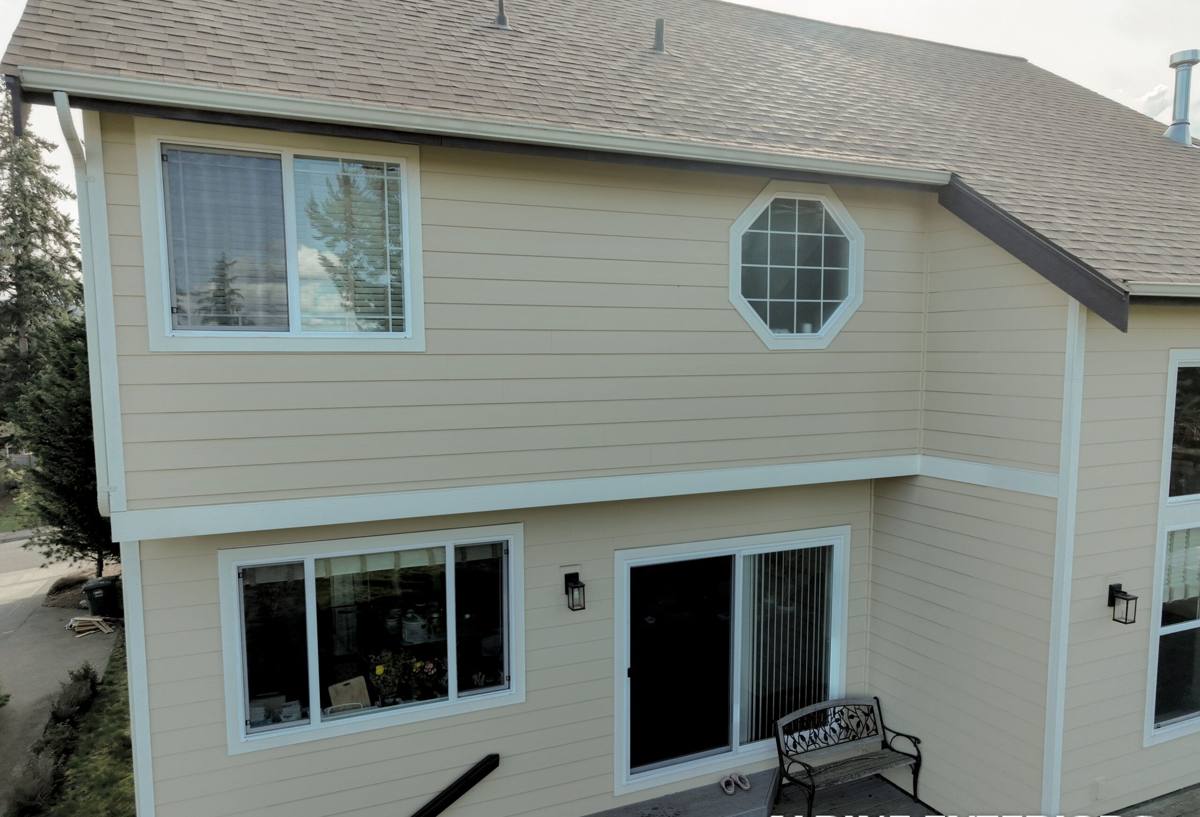
Most homeowners picture storm damage as missing shingles or a visible hole. That's the obvious end of it. In our experience working roofs this close to the Gulf, a lot of the damage that causes the most expensive problems down the road is much less dramatic.
Damage You Can Usually See
- Missing, cracked, or curling shingles, especially on the roof faces that took the direct wind
- Torn or lifted ridge cap
- Bent, creased, or missing metal flashing around chimneys, vents, and roof-to-wall transitions
- Debris punctures from tree limbs, patio furniture, or wind-borne yard items
- Sagging or stained soffit and fascia where water has been getting behind the roof edge
Damage That's Easy to Miss
- Granule loss from shingles, which shows up as bald patches and thinning color, not holes
- Wind-lifted shingles that reseal on their own and look normal but have broken or weakened seal strips
- Nail pops and fasteners backing out under repeated wind flex
- Soft or damp roof decking under a roof that shows no visible surface damage at all
- Corroded or loosened fasteners on metal roofing and flashing from ongoing salt exposure, not a single storm event
This second list is exactly why we don't quote storm repair off a photo or a drive-by. It takes a hands-on inspection, including getting up on the roof and checking the attic side of the deck, to know what's actually going on.
Why Waiting Costs More Than the Repair
A damaged roof doesn't stay a roof problem for long. Once wind-driven rain has a way in — even a small one — it moves along the underlayment and decking, not straight down. That means the stain you eventually see on a ceiling is often several feet from where the water actually entered. By the time it's visible indoors, the decking and possibly the framing underneath have usually been wet for a while.
In our climate, wet wood doesn't just weaken — it stays humid long enough to start growing mold, and Florida's heat and moisture make that happen faster than in drier states. A repair that would have been a few hundred dollars right after a storm can turn into a deck replacement, drywall repair, and mold remediation job if it sits through a few more rain events. Getting a damaged roof looked at promptly after a storm, even if nothing seems urgent, is the single biggest factor in keeping repair costs contained.
Our Storm Damage Roof Repair Process
1. Inspection and Documentation
We inspect the full roof system — shingles or roofing material, underlayment where accessible, flashing, vents, gutters, and the attic deck — and document what we find with photos. If you're planning to file an insurance claim, this documentation is what your adjuster needs to see, and having it organized before the adjuster visit tends to make that conversation go smoother.
2. Stabilize First, If Needed
If the roof has an active leak or exposed decking, our priority is getting it dried in and protected before anything else — that's a straightforward tarp-and-secure job, not a full repair, but it's what stops ongoing water intrusion while the rest of the process plays out.
3. Scope the Real Repair
Based on the inspection, we give you a clear picture of what's actually damaged versus what's still sound. We're not going to recommend replacing sections of roof that don't need it, and we're not going to patch over decking that's already compromised. You get a straight answer on what the storm actually cost you.
4. Repair to Match Existing Materials and Code
We match shingle type, color, and exposure as closely as possible so a repaired section doesn't stand out, and every repair meets current Florida Building Code wind provisions and local permitting requirements here in Indian Rocks Beach — not just the minimum needed to pass a quick look.
5. Final Walkthrough
Before we call the job done, we walk the repair with you, confirm flashing and seals are tight, and make sure gutters and drainage are clear so the next heavy rain doesn't create a new problem out of an old one.
What Drives Repair Cost After a Storm
Every storm damage job is different, but the same handful of factors tend to determine whether a repair is minor or significant. This isn't a price list — it's what we're actually weighing when we scope your roof.
| Factor | Why It Matters |
|---|---|
| Extent of decking damage | Surface repairs are quick; wet or rotted decking underneath requires tear-off before anything else can go back on |
| Age and condition of the existing roof | An older, UV-worn roof may need a larger repair area than a newer roof with the same visible damage |
| Roofing material | Shingle, tile, and metal each require different repair techniques, fasteners, and matching considerations |
| Flashing and penetration condition | Chimneys, vents, and skylights are common leak points and often need attention even when the field of the roof is fine |
| Access and roof pitch | Steeper roofs and tight lot access on some Indian Rocks Beach properties can affect labor and staging |
| Insurance scope vs. actual damage | What an adjuster initially approves doesn't always match what a hands-on inspection finds — this can mean a supplement is needed |
Insurance Claims: What We Can and Can't Do
We're not a public adjuster, and we won't pretend to be one. What we can do is give you an honest, well-documented inspection report that reflects the actual condition of your roof — not an inflated scope built to maximize a claim, and not a lowball designed to get in and out fast. That documentation is what supports your claim if you file one, and it's the same information we'd want if we were in your position. If your adjuster's initial scope doesn't match what we find on the roof, we'll walk you through the discrepancy so you can decide how to handle it with your carrier.
Why a Crew That Already Works Indian Rocks Beach Matters
Roofing crews that mainly work inland don't always account for how differently a barrier island roof ages. Salt air corrodes exposed fasteners and metal flashing faster than it does a few miles from the Gulf, so a repair that would hold up fine in a landlocked Pinellas County neighborhood can fail early out here if the materials and hardware aren't chosen with that exposure in mind. We factor in salt exposure, wind direction off the Gulf, and the realities of narrow-lot access that come with island properties when we scope and price a job — not as an afterthought, but because that's what actually determines whether a repair lasts.
We're also familiar with the local permitting process for roof work in Indian Rocks Beach, which keeps your repair from turning into a paperwork delay on top of a storm delay.
After the Repair: A Homeowner's Storm-Season Checklist
A good repair is only half the equation — a little routine attention keeps small problems from becoming storm damage in the first place. Here's what we recommend to Indian Rocks Beach homeowners between storms:
- Have your roof visually inspected before hurricane season (June) and again afterward
- Keep gutters and downspouts clear so wind-driven rain has somewhere to go
- Trim back tree limbs that overhang the roofline before storm season
- Check attic insulation and decking for damp spots after any major wind event, even if the roof looks fine outside
- Rinse accumulated salt residue off metal flashing, vents, and fasteners periodically — it slows corrosion
- Address small issues — a lifted shingle corner, a cracked pipe boot — right away rather than waiting for the next storm to make it worse
Get a Straight Answer About Your Roof
If your roof took a hit in a recent storm, or you're just not sure whether what you're seeing is cosmetic or something that needs real attention, we're glad to come take a look. We'll give you a free, no-pressure estimate and a plain explanation of what we find — no upsell, no scare tactics, just what your roof actually needs. Use the form below to get started.