 Clearwater Siding
 Siding Built for Sunset Point's Exposure
Sunset Point sits close to open water on Clearwater's north side, which means homes here take a different kind of beating than a house ten miles inland. Salt-laden air moves through the neighborhood almost constantly, summer humidity stays high for months at a time, and when a tropical system tracks through Pinellas County, wind-driven rain finds every weak seam in a home's exterior. Siding that looks fine on a spec sheet in a mild climate often fails early here — not because it's a bad product everywhere, but because it wasn't built for this combination of sun, salt, and storm exposure.
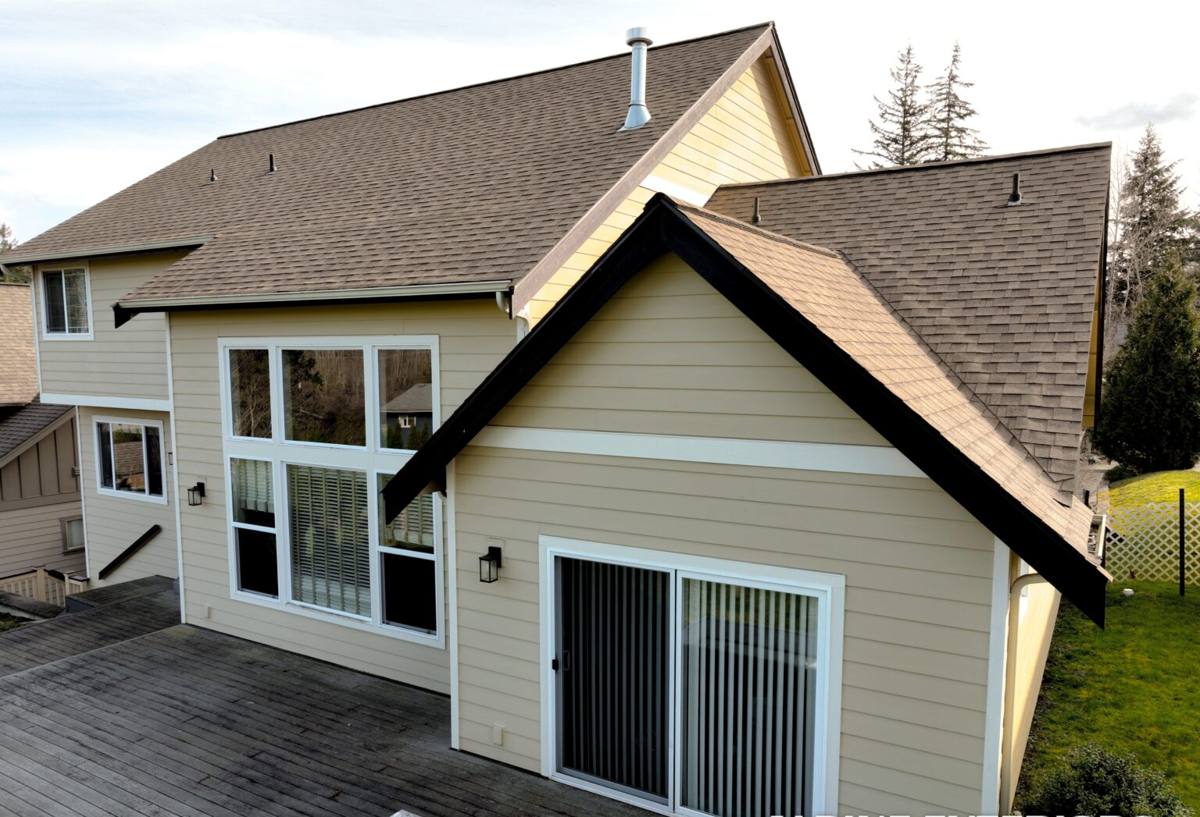
We install James Hardie fiber cement siding exclusively, and Sunset Point is exactly the kind of neighborhood that shows why. This page covers what a James Hardie project for this area actually involves — the product decisions, the installation details that matter, and what to expect from a crew that already knows this stretch of Clearwater.
Why James Hardie Fits This Climate
Engineered for the Southern Coast
James Hardie makes climate-specific product lines rather than one generic board for the whole country. The HZ10 line is engineered for hot, humid, coastal regions like ours — Florida falls squarely into that category. That matters because the failure modes in a place like Sunset Point are different from the failure modes in a dry or freeze-thaw climate. Here, the enemy is moisture intrusion, UV breakdown, and salt corrosion of fasteners and trim, not frost-cracking.
Non-Combustible and Storm-Tolerant
Fiber cement is non-combustible, which matters for insurance and safety, and it holds up structurally to wind-driven debris far better than vinyl, which can crack, warp, or blow off in a strong gust. That resilience is a real factor for anyone in Pinellas County's wind-borne debris region, where exterior materials need to survive more than a typical afternoon thunderstorm.
ColorPlus Finish
Florida's UV load is relentless — the sun here is stronger and more constant than in most of the country, and it fades ordinary paint fast. James Hardie's ColorPlus technology bakes the finish onto the board at the factory in a controlled environment, which gives it far better fade and chip resistance than a field-applied paint job. For a Sunset Point home, that means fewer repaint cycles and color that stays consistent year after year in direct sun.
What a Correct Installation Actually Involves
The material is only half the equation. James Hardie siding performs to spec only when it's installed to spec — and in a high-humidity, storm-prone area, the details other crews skip are exactly the ones that cause problems five or ten years later.
Moisture Management Behind the Boards
Every correct Hardie installation starts with a weather-resistive barrier and properly integrated flashing at windows, doors, and any penetration in the wall. In a neighborhood this close to the water, wind-driven rain will find any gap in that barrier eventually. The siding itself is not the primary water seal — the assembly behind it is, and that's the part a homeowner never sees but absolutely needs done right.
Clearances and Fastening
James Hardie specifies minimum clearances from grade, roof lines, and other surfaces, along with specific fastener types, spacing, and embedment depth. Skipping these clearances traps moisture against the bottom of the board; using the wrong fasteners in a salt-air environment invites corrosion and streaking. None of this is visible once the project is finished, which is exactly why it has to be done correctly the first time.
Joints, Caulking, and Expansion
Fiber cement expands and contracts with temperature and moisture, just less than wood. Joints need to be treated with the right sealant and gapped correctly, especially at butt joints and trim transitions, or you get cracking and water paths forming within a few seasons.
How Hardie Compares for a Home Like This
Homeowners in Sunset Point often ask how James Hardie stacks up against the other materials they see advertised. Here's an honest comparison focused on the conditions that actually matter in this neighborhood.
| Material | Salt Air / Humidity | Wind & Impact Resistance | UV / Fade Resistance | Long-Term Maintenance |
|---|---|---|---|---|
| James Hardie fiber cement | Strong — engineered for humid coastal climates | Strong — rigid, non-combustible | Strong with ColorPlus factory finish | Low — occasional caulk/inspection |
| Vinyl siding | Moderate — can trap moisture behind panels | Weaker — prone to cracking, warping, blow-off | Weak — fades and becomes brittle in strong sun | Low upfront, but early replacement risk |
| LP SmartSide (engineered wood) | Weaker — wood-based core sensitive to moisture | Moderate | Moderate, depends on field-applied finish | Higher — finish upkeep, edge sealing |
| Cedar / primed spruce | Weak without diligent upkeep | Moderate | Weak — repaint/reseal needed regularly | Highest — ongoing sealing and repainting |
This isn't a claim that other materials are worthless — plenty of homes across the country carry them successfully. But for a Sunset Point property sitting in near-constant salt air and taking direct hits from tropical weather, we've made James Hardie our standard because it holds up to this specific combination of stresses with the least long-term maintenance burden.
Our Process for a Sunset Point Project
Every Hardie installation follows the same disciplined sequence, whether it's a full re-side or a repair section. Skipping steps is how homes end up with the moisture problems described above.
- Assessment: We inspect the existing wall assembly, sheathing condition, and any signs of past moisture intrusion before quoting anything.
- Tear-off and substrate check: Old siding comes off and we confirm the sheathing underneath is sound before anything new goes up.
- Weather barrier and flashing: A new weather-resistive barrier goes on, with flashing detailed at every window, door, and penetration.
- Hardie panel or lap installation: Boards are installed at correct clearances and fastener spacing per James Hardie's specifications for our climate zone.
- Trim, joints, and caulking: Trim is fitted, joints are sealed with an appropriate sealant, and expansion gaps are respected.
- Final inspection and cleanup: We walk the job against the original scope and clear the site completely.
Because we've worked in Sunset Point and the surrounding Clearwater neighborhoods before, we already know the kind of exposure a given lot has — closer to the water versus more sheltered — and we adjust flashing and fastening details accordingly rather than treating every home the same.
What Drives the Cost of a Sunset Point Hardie Project
Every home is different, but the same handful of factors determine where a project lands within a broad price range. We give firm numbers only after walking the property.
| Cost Factor | Why It Matters |
|---|---|
| Home size and wall complexity | More square footage, corners, and roof lines mean more material and labor |
| Existing siding removal | Tear-off of old vinyl, wood, or damaged material adds labor before install even starts |
| Substrate repair | Rotten or moisture-damaged sheathing found during tear-off needs to be replaced before new siding goes on |
| Panel vs. lap profile | Different Hardie profiles and trim packages carry different material costs |
| Color and finish selection | ColorPlus factory finishes versus field-primed-and-painted options affect price and long-term upkeep |
| Access and site conditions | Tight lots, landscaping, or multi-story sections can add time and equipment needs |
We'd rather walk a Sunset Point property and give an honest number than throw out a broad estimate that doesn't reflect what's actually on the wall.
Maintaining Hardie Siding This Close to the Water
Fiber cement is low-maintenance compared to wood or vinyl, but "low-maintenance" doesn't mean "no maintenance" — especially with salt air in the mix. A short annual routine keeps a Sunset Point installation performing the way it's supposed to.
- Rinse the siding periodically with fresh water to clear off salt residue, especially on sides facing open water
- Walk the caulk lines at trim, windows, and joints once a year and touch up any that have cracked or pulled away
- Keep sprinklers and irrigation heads from spraying directly onto the siding, which accelerates staining and mineral buildup
- Trim back landscaping so foliage isn't holding moisture against the bottom courses
- After any major storm, do a quick visual check for cracked boards, loose trim, or displaced flashing
- Address any small moisture stain or soft spot quickly rather than waiting — small problems behind siding don't stay small
Why Local Experience in This Neighborhood Matters
Siding installation isn't identical from one part of the county to another. A crew that mostly works inland jobs may not think twice about flashing details that matter enormously on a lot with direct water exposure, or about how much faster salt air can corrode the wrong fastener. Working in Sunset Point and the surrounding Clearwater area repeatedly means we already understand the exposure patterns, the permitting expectations in Pinellas County, and the wind provisions in the Florida Building Code that apply to exterior work here — instead of learning them for the first time on your home.
That local familiarity also shows up in smaller ways: knowing which color tones actually read well in this light, understanding how close-set lots affect staging and access, and being available quickly if a storm exposes an issue that needs attention rather than being booked out of the area for weeks.
Get a Straight Answer for Your Home
If you're weighing a siding replacement or repair in Sunset Point, we're happy to walk the property, look at what's actually going on with your walls, and give you a straightforward assessment — no pressure, no inflated scope. Use the form below to request a free estimate.