 Clearwater Siding
 Oldsmar Windows Work Harder Than Most
Oldsmar sits inside the Tampa Bay watershed, tucked against Old Tampa Bay in Pinellas County, which means homes here take on weather from two directions at once: bay-driven humidity and salt air on one side, and the same hurricane-season wind and rain risk that affects the rest of the Gulf Coast on the other. Windows are one of the first things to show the wear from that combination. Frames chalk and pit faster near the water, seals give out sooner in constant humidity swings, and older single-pane or non-impact windows are a real liability once a named storm is bearing down and plywood is sold out at every hardware store in the county.
Replacing windows here isn't just a cosmetic upgrade. Done correctly, it's a structural and weatherproofing decision that affects how your home handles wind pressure, wind-driven rain intrusion, and UV degradation for the next fifteen to twenty-five years. Done poorly — wrong flashing, skipped fasteners, mismatched design pressure rating — it can leak, fail early, or create problems with your insurance carrier after the fact.
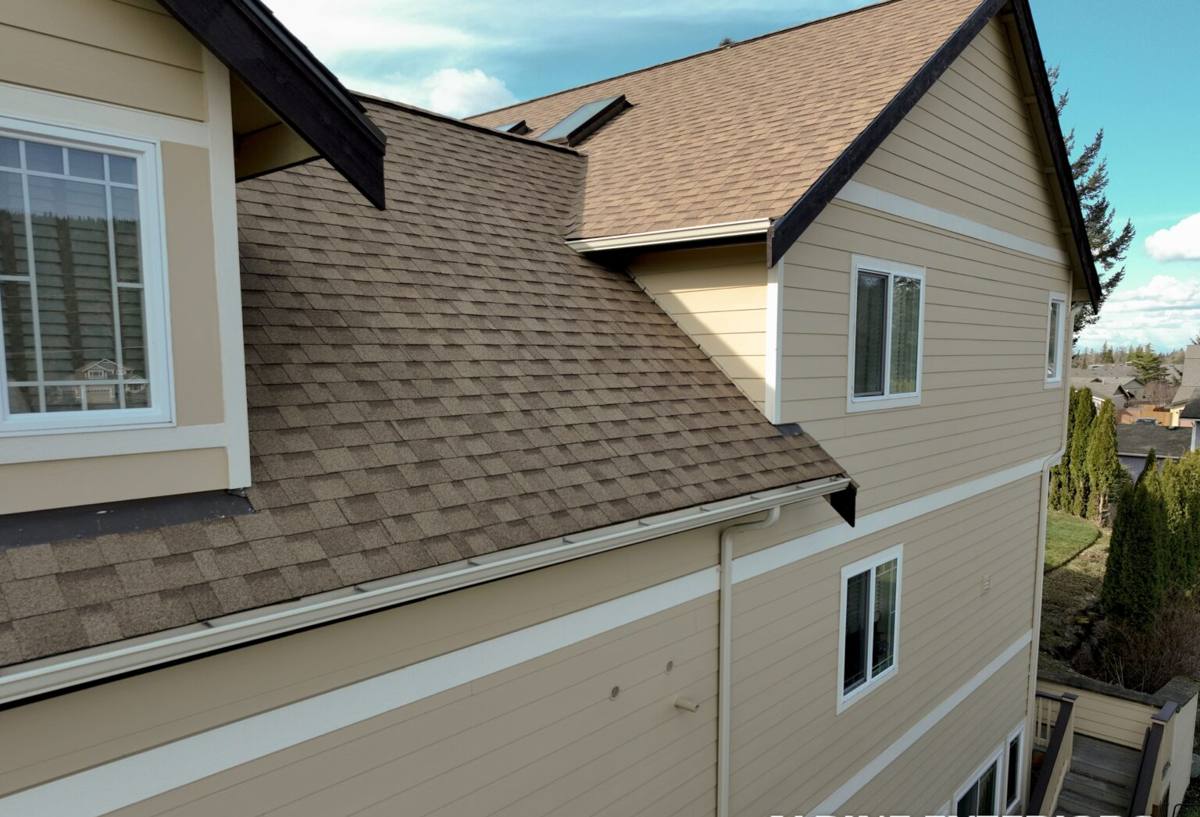
What Pinellas County Climate Does to Windows Over Time
Wind and Wind-Driven Rain
Even outside a direct hurricane hit, Oldsmar gets regular tropical downpours with sideways rain. Standard residential windows are tested for water intrusion at a given pressure, but older units, or ones installed without correct sill pan flashing, let water track behind the frame and into the wall cavity. That's slow, hidden damage — you often don't see it until there's a stain on the drywall or the sill starts to soften.
UV Exposure
Central Florida gets some of the most intense year-round sun exposure in the continental U.S. UV breaks down vinyl frames, vinyl glazing seals, and low-quality weatherstripping faster than in most climates. Frames that would last decades up north can visibly yellow, warp, or become brittle here in half that time if the material wasn't chosen with UV resistance in mind.
Salt Air and Humidity
Oldsmar's proximity to Old Tampa Bay means salt-laden air reaches homes even several miles inland, especially with onshore breezes. Salt air accelerates corrosion on hardware, hinges, and metal components, and constant humidity keeps wood-adjacent framing at risk for rot if window openings aren't properly sealed and flashed.
Signs Your Current Windows Are Due for Replacement
- Visible daylight or drafts around the frame when the window is closed and locked
- Fogging or a permanent haze between double-pane glass — a sign the seal has failed
- Frames that are soft, discolored, chalky, or difficult to open and close smoothly
- Water staining on the interior wall or sill below or around the window
- Rising energy bills with no other explanation, especially in peak summer cooling months
- Windows with no impact rating or hurricane protection currently installed
- Condensation forming consistently on the inside of the glass
What Correct Window Installation Actually Involves
Window installation looks simple from the outside — pull the old unit, set the new one, caulk the edges. Done right, it's a lot more precise than that, and the difference shows up the first time a storm pushes rain sideways into the wall.
Opening Prep and Flashing
The rough opening has to be checked for square, level, and plumb before anything goes in. A proper sill pan and flashing system directs any water that gets past the window back outside the wall assembly instead of into the framing. This step gets skipped more often than homeowners realize, and it's the single biggest cause of hidden water damage after a window replacement.
Fastening to Design Pressure Spec
Every window carries a Design Pressure (DP) rating that determines how it needs to be fastened into the structure — fastener type, spacing, and embedment all matter. Installing a correctly rated window with the wrong fastening schedule undermines the rating entirely, whether or not it's visible from the street.
Sealing and Insulation
The gap between the window frame and the rough opening needs backer rod and low-expansion sealant or foam rated for that use — not just a bead of caulk around the trim. Interior and exterior sealing both matter for keeping conditioned air in and humid outside air out.
Final Weatherproofing
Exterior trim, stucco or siding tie-in, and caulking joints get finished last, matched to the surrounding wall material so the whole assembly sheds water the way it's supposed to.
Impact-Rated vs. Standard Windows
Pinellas County falls within Florida's wind-borne debris region, so impact-rated windows or an approved protection system are a serious consideration for any Oldsmar home, and are required by code in many replacement scenarios. Here's how the two options generally compare:
| Factor | Impact-Rated Windows | Standard Windows |
|---|---|---|
| Storm protection | Built to resist wind-borne debris impact; no shutters needed | Requires separate shutters or panels for storm protection |
| Upfront cost | Higher per window | Lower per window |
| Insurance impact | May qualify for wind mitigation credits | Typically no wind mitigation credit |
| Noise reduction | Noticeably quieter due to laminated glass | Standard sound transmission |
| UV and fade protection | Laminated interlayer blocks significant UV | Standard UV exposure to interior finishes |
| Daily maintenance | No storm prep needed before a hurricane | Shutters or panels must be installed and removed each season |
Neither option is wrong for every situation, and your specific home, elevation, and budget all factor into the right call. We'll walk through what your home actually needs rather than defaulting to the most expensive option.
Choosing the Right Frame Material
Frame material matters as much as the glass package in a climate like this one. We look at UV resistance, salt air tolerance, and long-term maintenance when we talk through options with Oldsmar homeowners.
- Vinyl: Budget-friendly, low maintenance, good insulation properties; quality varies a lot between manufacturers, so UV-stabilized formulations matter in this climate.
- Aluminum: Strong and slim-profile, but conducts heat and can corrode faster near the bay without a quality finish and proper hardware.
- Fiberglass: Dimensionally stable in heat, resists UV degradation well, generally the highest upfront cost of the three.
We install based on what suits the home, the exposure, and the homeowner's budget and priorities — not a one-size-fits-all product line.
Our Window Installation Process
- On-site assessment: We look at your current windows, the condition of the openings, sun exposure, and any existing water or rot issues.
- Product and rating recommendation: We go over frame material, glass package, and DP rating options suited to your home's exposure.
- Written estimate: A clear breakdown of scope, materials, and pricing before any work begins.
- Permitting: We handle the permit and inspection process required for window replacement in Pinellas County.
- Removal and opening prep: Old units come out, openings are checked and corrected as needed, flashing and sill pans go in.
- Installation to spec: Windows are set, fastened to the required schedule, and sealed correctly inside and out.
- Final walkthrough: We check every window with you before calling the job finished.
Cost Factors for Oldsmar Window Projects
Every home is different, but these are the main variables that move the price on a window installation project:
| Factor | How It Affects Cost |
|---|---|
| Number of windows | More openings means more materials and labor; whole-house projects often see better per-unit pricing |
| Impact rating | Impact-rated glass and reinforced frames cost more than standard units |
| Frame material | Vinyl generally costs less than fiberglass; aluminum falls in between depending on finish |
| Opening condition | Rot, out-of-square framing, or stucco repair around the opening adds labor |
| Window size and type | Large picture windows or specialty shapes cost more than standard single- or double-hung units |
| Permitting requirements | Permit and inspection fees are typically part of the project scope |
Why an Oldsmar-Familiar Crew Matters
Window installation quality depends heavily on details that don't show up in a sales brochure — flashing technique, fastening schedule, and how the crew handles the specific stucco or siding tie-in on your home's exterior. A crew that regularly works in Oldsmar and the surrounding Clearwater and Pinellas County area already understands local permitting requirements, typical construction types in this part of the county, and how to sequence a job around Florida's afternoon storm patterns so openings aren't left exposed longer than necessary.
That local familiarity also matters when it comes to inspections. Pinellas County and local building departments have specific requirements for window replacement permits, and a contractor who pulls permits here regularly moves through that process more smoothly than one who's unfamiliar with local procedure.
What to Look for When Hiring
- Proper state contractor licensing and insurance, verifiable on request
- A written estimate that specifies frame material, glass package, and DP rating — not just "windows replaced"
- Clear explanation of who pulls the permit and handles inspections
- Willingness to explain trade-offs between product options instead of pushing one line
- References or a portfolio of completed local work
- A clear warranty on both the product and the installation labor
If your Oldsmar home has windows that are drafty, foggy, showing wear, or just aren't rated for what Tampa Bay weather can throw at them, we're happy to take a look and lay out your options honestly. Request a free, no-pressure estimate using the form below and we'll walk you through what your home actually needs.