 Clearwater Siding
 Why Window Replacement Is a Different Job in Dunedin
Dunedin sits right on the water along Pinellas County's Gulf coast, and that location shapes everything about how windows perform here. Homes just a few blocks from St. Joseph Sound or the Gulf take on a level of wind load, salt exposure, and driving rain that inland Florida properties simply don't see. A window that's rated fine for a subdivision in the middle of the state can fall short in a barrier-island-adjacent coastal city like this one. When we talk about window replacement in Dunedin, we're talking about matching the product and the installation to that specific exposure — not just swapping out old glass for new.
We also see a lot of older housing stock in and around Dunedin — mid-century bungalows, older block homes, and additions that have been through several rounds of updates over the decades. Original single-pane aluminum-frame windows are still common, and many were never designed with today's wind codes in mind. That combination — coastal exposure plus aging original windows — is exactly why this page exists as its own service, separate from our general window replacement information.
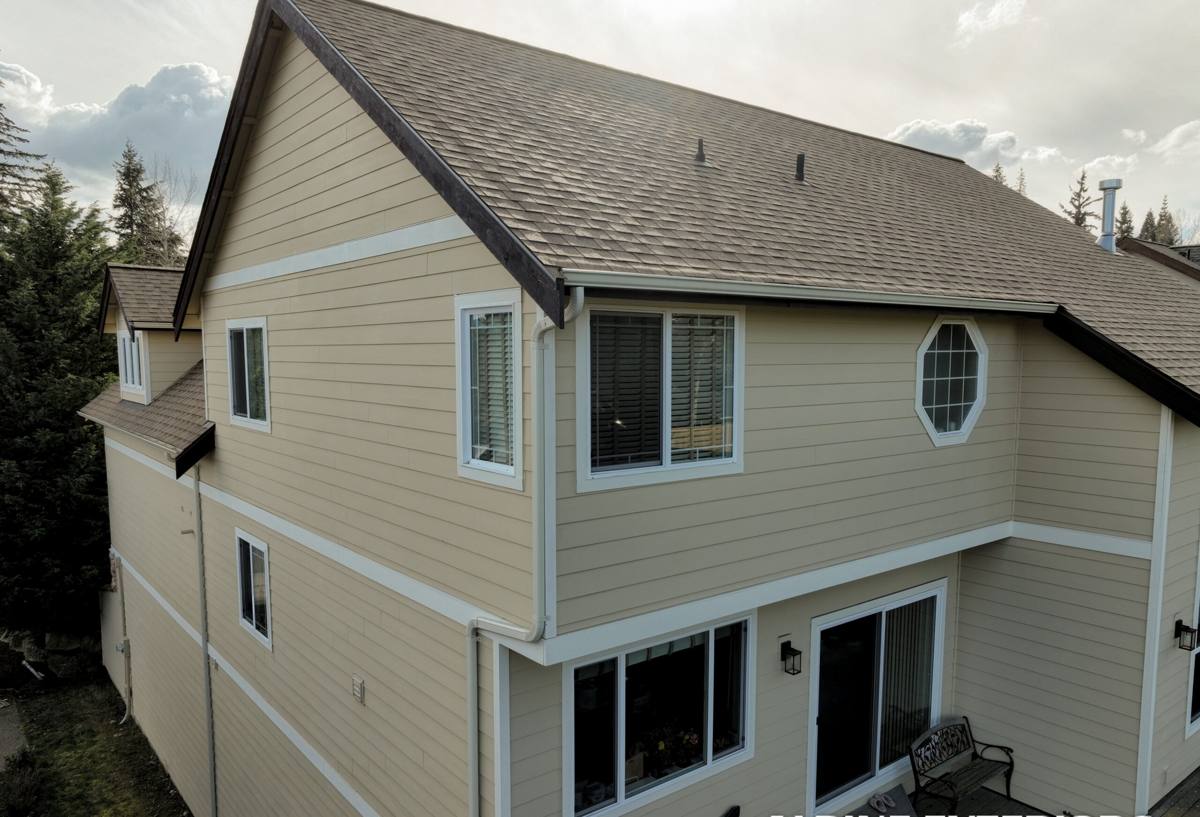
What Coastal Exposure Does to Windows Over Time
Pinellas County's climate is hard on building materials in a few specific ways, and windows take the brunt of it:
- Wind pressure and wind-driven rain — even storms that don't make landfall directly can push heavy rain sideways into window frames and seals, finding any gap.
- UV exposure — Florida gets strong, near-constant sun. Over years, UV breaks down vinyl frames, dries out weatherstripping, and clouds or yellows lower-grade glazing.
- Salt air — homes closer to the water deal with airborne salt that corrodes metal hardware, hinges, and cheaper aluminum framing faster than it would inland.
- Humidity cycling — constant swings between hot, humid days and air-conditioned interiors stress seals and can lead to fogging between panes on older double-glazed units.
None of these forces act alone — they compound. A frame with UV-degraded weatherstripping is more likely to let wind-driven rain through, and once moisture gets into a frame cavity, salt-corroded fasteners make repairs harder. This is why a window that's "fine on the outside" can already have failing seals or soft framing underneath.
Signs a Dunedin Home Needs Replacement, Not Repair
Not every window problem calls for full replacement. But there are specific signs that repair is just delaying the inevitable, especially in a coastal market like this one:
- Fogging or a gray haze between panes — the seal has failed and the insulated glass unit can't be restored, only replaced.
- Windows that are difficult to open, close, or lock, especially in older aluminum frames — often a sign of frame warping or corrosion.
- Visible daylight or a draft around the frame when the window is closed and locked.
- Soft or discolored framing material, or paint that keeps failing at the same spot — usually points to moisture intrusion behind the surface.
- Single-pane glass with no impact rating in a home that would benefit from storm protection and better insulation.
- Rising energy bills with no other explanation — old glazing and worn seals are common, overlooked culprits.
What a Correct Window Replacement Job Actually Involves
It's Not Just the Window
The window unit itself is maybe half the job. The other half is what happens around it: proper removal without damaging the surrounding wall assembly, correct flashing and sealant to keep water out, and fastening that meets Florida's wind load requirements for the home's specific location and exposure category. A high-quality window installed with poor flashing or the wrong sealant will still leak. This is where a lot of shortcuts happen, and it's also where most long-term problems start.
What We Check Before We Ever Order a Window
- The condition of the framing and sheathing behind the existing window, not just the visible trim.
- The home's wind exposure and whether the opening needs a specific pressure or impact rating to meet code.
- Whether the rough opening is square and sound, or needs correction before a new unit goes in.
- Existing water intrusion history at that opening, if any.
- How the new window's exterior finish and profile will look against the home's existing siding and trim.
Impact-Rated vs. Standard Windows for a Coastal Home
This is usually the biggest decision point for Dunedin homeowners. Impact-rated windows cost more upfront but solve several problems at once for a home in this exposure. Here's how they compare honestly:
| Factor | Impact-Rated Windows | Standard Windows |
|---|---|---|
| Storm protection | Laminated glass resists breakage from wind-borne debris; often removes the need for separate shutters | Requires shutters or plywood coverage before storms if not rated for impact |
| Insurance | May qualify for wind mitigation credits, depending on your policy and insurer | Typically no wind mitigation credit |
| UV and heat control | Laminated glass blocks significant UV and helps reduce heat gain | Varies widely; lower-end glass offers less UV protection |
| Sound reduction | Noticeably quieter due to the laminated interlayer | Standard insulated glass, less sound dampening |
| Upfront cost | Higher per-window cost | Lower upfront cost |
| Long-term maintenance | Frame and seal hold up well under coastal conditions when installed correctly | May need earlier seal or hardware replacement in salt-air exposure |
We don't push impact windows on every job — for a home set back from the water with existing shutters and a tight budget, standard hurricane-code windows installed correctly can be the right call. But for anything close to the Sound or the Gulf, or for owners who want to stop dealing with shutters altogether, impact glass earns its cost over time.
Frame Material: What Actually Holds Up Here
Vinyl frames are the most common choice for coastal Pinellas County homes because they don't corrode and handle humidity well, though quality varies a lot between manufacturers. Aluminum frames are strong and slim-profile but conduct heat and are more prone to corrosion near saltwater unless properly coated. Fiberglass and composite frames cost more but resist warping, corrosion, and UV damage the best of any option. We'll walk through which makes sense for your specific home and budget rather than defaulting to one material.
Cost Factors for Dunedin Window Replacement
Every home is different, so we don't quote broad numbers without seeing the job, but the main things that move the price are:
- Impact rating — impact glass costs more per window than standard hurricane-code glass.
- Number and size of openings — larger picture windows and sliders cost more than standard double-hungs.
- Frame material — vinyl, aluminum, and fiberglass are priced differently.
- Condition of the existing opening — if there's rot or water damage behind the old window, that repair adds to the job.
- Permitting — Pinellas County and local municipal permitting is required for window replacement and is factored into the timeline and cost.
Our Process, Start to Finish
- Free on-site estimate. We look at every opening in person, not just from photos, because frame condition and wind exposure vary window to window.
- Product recommendation. We explain the honest trade-offs between options for your home and budget — no upselling to the most expensive product by default.
- Permitting. We handle the permit process required for window replacement in your jurisdiction before work begins.
- Removal and inspection. Old windows come out carefully, and we inspect the framing behind them before anything new goes in.
- Installation. Units are set, shimmed, flashed, and sealed to meet current wind load and water intrusion standards.
- Final walkthrough and inspection. We confirm operation, sealing, and appearance with you, and the job passes required inspection before we consider it done.
Why It Matters to Hire a Crew That Already Works in Dunedin
Window installation standards aren't the same everywhere in Florida — wind zones, exposure categories, and local permitting requirements vary by jurisdiction and by how close a property sits to the water. A crew that regularly works Pinellas County coastal properties already understands what Dunedin's flashing details, wind loads, and permitting process actually require, instead of applying a generic approach and hoping it holds up. That familiarity also shows up in smaller ways: knowing how older Dunedin-area framing was typically built, recognizing common trouble spots in homes of a certain age, and being available locally if a question comes up after the job is done rather than after a long drive from out of the area.
Questions to Ask Any Contractor Before You Hire
- Are you licensed and insured to do window replacement work in Pinellas County?
- Will you pull the required permit, or is that left to me?
- What wind or impact rating does this window carry, and is that appropriate for my home's location?
- Who is actually doing the installation — your crew, or a subcontractor?
- What's the warranty on the product versus the warranty on the installation labor?
- Can you show me examples of similar coastal-exposure homes you've worked on?
A contractor who answers these directly and specifically, without vague reassurances, is worth trusting more than one who just quotes a price.
Get a Straight Answer for Your Home
If your windows in Dunedin are original, foggy, hard to operate, or just not built for what this coast throws at them, we're happy to take a look and give you an honest read on repair versus replacement — no pressure, no inflated urgency. Fill out the form below for a free estimate, and we'll walk your home's specific openings with you before recommending anything.