 Clearwater Siding
 Asphalt Shingle Roofing Built for Belleair Bluffs Conditions
Belleair Bluffs sits in a tight stretch of Pinellas County where the elevation gives homes a nice view but doesn't do much to soften what comes off the Gulf. Roofs here take a combination of punishment that inland Florida homes simply don't deal with: sustained coastal wind loads, salt-laden air that accelerates corrosion on fasteners and flashing, intense UV exposure nearly every day of the year, and the kind of wind-driven rain that finds every weak seam in a roof system during a summer squall or a tropical system. An asphalt shingle roof installed correctly for this specific environment will hold up for its full service life. One installed with shortcuts, or with materials and methods better suited to a drier, calmer climate, tends to show problems years ahead of schedule.
This page covers what a correctly installed asphalt shingle roof looks like for a Belleair Bluffs home, what our process involves, and why local experience in this specific pocket of Clearwater matters more than most homeowners realize until something goes wrong.
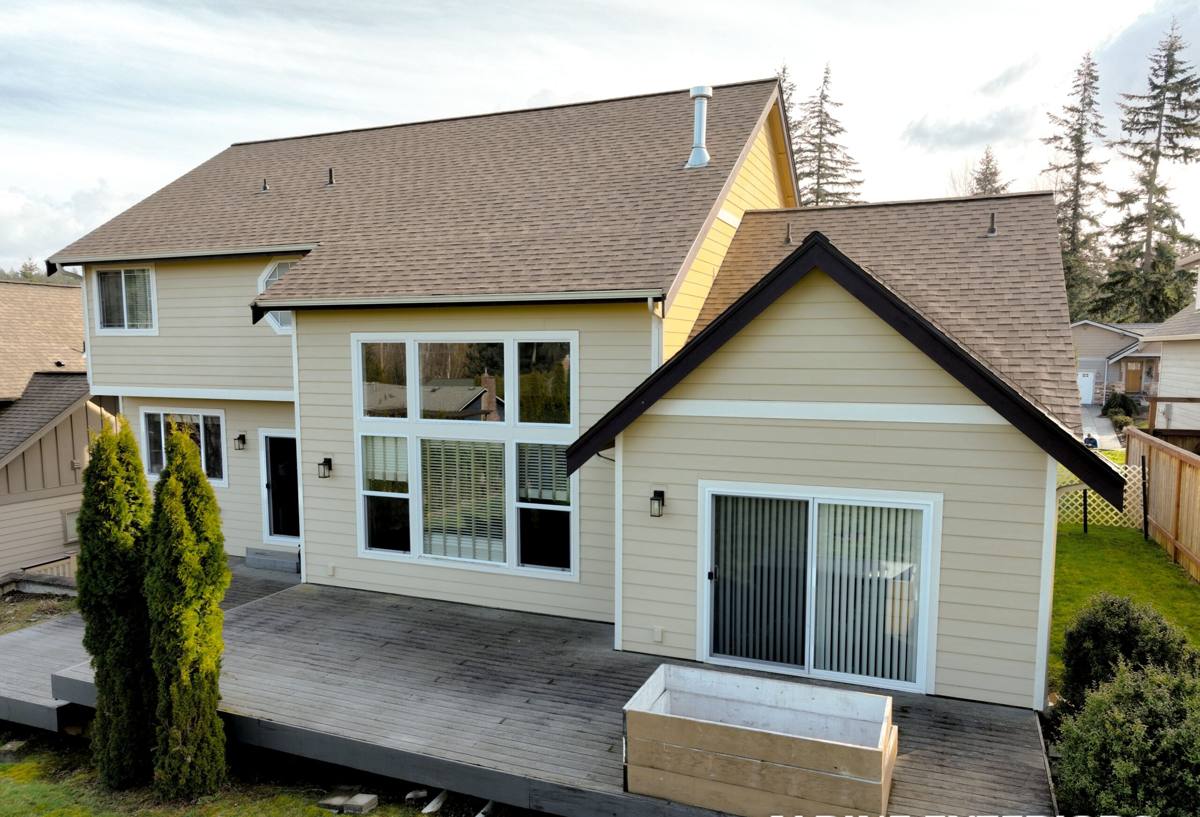
What Belleair Bluffs Homes Actually Need From a Shingle Roof
Wind Rating and Fastening
Pinellas County's building code requirements exist because of storms, not paperwork. A shingle roof here needs to meet wind uplift ratings appropriate for coastal exposure, and that rating is only as good as the installation behind it. Nail placement, nail count per shingle, and whether fasteners are driven flush (not underdriven or overdriven) all affect real-world wind performance far more than the shingle package alone. We install to the fastening pattern the shingle manufacturer and code require for this wind zone, not a generic pattern pulled from a lower-exposure region.
Salt Air and Metal Components
Every roof has metal in it somewhere — drip edge, flashing, valleys, pipe boots with metal collars, nail heads. In a salt air environment, standard-grade metal corrodes faster than most homeowners expect, and once flashing starts to pit or nails start to weep rust stains, the surrounding shingle field starts failing too. We spec corrosion-resistant metals and fasteners for coastal Clearwater work, not because it's required on every job everywhere, but because it's the honest standard for a house this close to the water.
UV Exposure and Shingle Granule Life
Florida sun is harder on roofing than most other parts of the country get. UV breaks down asphalt oils over time, and granule loss is what actually ends a shingle's protective life — once granules wear away, the asphalt beneath is exposed and degrades much faster. Shingle products vary in how well they hold granules and resist UV embrittlement over a 15-20 year span, and that's a real factor in what we recommend for a given roof and budget.
Wind-Driven Rain and Water Intrusion
A hurricane doesn't need to make direct landfall in Belleair Bluffs to push rain sideways into a roof. Wind-driven rain gets up under shingle tabs, through improperly lapped underlayment, and around poorly sealed penetrations. The underlayment system and flashing details matter as much as the shingles themselves — arguably more, since that's the last line of defense once wind stresses the shingle field.
What a Correct Asphalt Shingle Installation Involves
A shingle roof is a system, not a single product. Skipping or shortcutting any layer weakens the whole thing, even if the shingles themselves are high quality.
- Deck inspection and repair: Every plywood or OSB deck board is checked for rot, delamination, or soft spots before anything goes down. Covering a compromised deck just hides the problem until it fails from underneath.
- Underlayment: A synthetic or self-adhering underlayment appropriate for wind-driven rain exposure, installed with correct overlaps and fastening — not a thin felt laid down as an afterthought.
- Drip edge and flashing: Corrosion-resistant metal at eaves, rakes, valleys, and all wall/roof transitions, sealed and lapped in the correct order so water always flows over the next layer down, never behind it.
- Starter course: A proper starter strip at eaves and rakes, not cut-down field shingles, so the first row has full adhesive strength and uplift resistance where wind stress is highest.
- Shingle fastening: Correct nail count and placement per the manufacturer's high-wind installation instructions, not the minimum spec.
- Ventilation: Balanced intake and exhaust ventilation so the attic doesn't cook the underside of the deck and shingles from above and below at the same time.
- Penetration sealing: Pipe boots, vents, and any roof penetrations sealed with materials rated for long-term UV and heat exposure, not standard caulk that hardens and cracks within a couple of years.
Common Cost Factors for a Belleair Bluffs Shingle Roof
Every roof is different, but the variables that move the price on a project in this area are fairly consistent. We walk through these openly during an estimate rather than quoting a number without context.
| Factor | Why It Matters Here |
|---|---|
| Roof pitch and complexity | Steeper roofs and more valleys/hips mean more labor, more flashing detail, and more places for wind-driven rain to test the installation |
| Deck condition | Coastal humidity and past leaks sometimes mean deck repair or replacement is needed before shingles go on |
| Shingle wind rating | Higher-rated shingle lines cost more but are matched to sustained coastal wind exposure |
| Metal and fastener grade | Corrosion-resistant flashing and fasteners cost more upfront but hold up far longer in salt air |
| Ventilation upgrades | Older Belleair Bluffs homes sometimes need intake or exhaust vent additions to meet current airflow standards |
| Access and layout | Tight lots, landscaping, and proximity to neighboring homes affect staging and cleanup time |
Our Process for Belleair Bluffs Roofing Projects
1. On-Site Inspection
We look at the whole system, not just the shingle surface — deck condition from the attic side where possible, flashing points, ventilation, and any signs of past water intrusion. This tells us what the roof actually needs rather than guessing from the ground.
2. Honest Scope and Estimate
We explain what we found, what it means, and what options exist at different price points. No pressure, no inflated urgency — just a clear picture so the homeowner can make an informed decision.
3. Material Selection
We help match shingle products and metal components to the specific exposure of the home — a roof with open Gulf-facing exposure gets a different conversation than one tucked behind other structures.
4. Installation
Deck repair as needed, correct underlayment and flashing sequencing, and fastening to high-wind specifications, with daily cleanup so the property isn't left with debris and nails scattered around.
5. Final Walkthrough
We review the completed roof with the homeowner, confirm ventilation and flashing details, and make sure any questions about care or warranty coverage are answered before we consider the job done.
Why Local Experience in This Area Matters
Belleair Bluffs is a small area, but it's not interchangeable with roofing work done twenty miles inland or in a different coastal state. A crew that regularly works Clearwater and the surrounding Pinellas County coastline already knows which flashing details tend to fail first in this exposure, which shingle lines actually hold up under sustained UV and salt air rather than just performing well on paper, and how local permitting and code requirements apply to a re-roof versus new construction. That experience shows up in fewer callbacks, fewer surprises mid-project, and a roof that's built for the conditions it will actually face rather than a generic installation.
It also matters for something homeowners don't think about until they need it: post-storm response. A contractor who already works this area is easier to reach and more familiar with your specific roof if wind or hail damage needs to be assessed after a storm.
Signs a Belleair Bluffs Roof May Need Attention
- Granules collecting in gutters or at downspout outlets
- Curling, cupping, or cracked shingles, especially on the sun-exposed slopes
- Rust staining around nail heads, flashing, or pipe boots
- Soft or spongy spots when walking the roof (best assessed by a professional, not a homeowner walking the roof themselves)
- Visible daylight or water stains in the attic near the roof deck
- Missing or lifted shingles after a windstorm, even a moderate one
Catching these early is almost always cheaper than waiting for a leak to show up on a ceiling, at which point interior repair costs get added to the roofing cost.
Maintenance That Extends Roof Life in This Climate
Asphalt shingle roofs in coastal Pinellas County benefit from a bit more attention than the same roof would need in a milder climate. Keeping gutters clear so water doesn't back up under the eave edge, trimming back overhanging branches that trap moisture and debris on the roof surface, and having the roof looked at after any significant windstorm are simple habits that catch small issues before they become expensive ones. We're glad to point out what to watch for during any visit, even outside of an active project.
If you're weighing a repair versus a full replacement, or just want a straight answer on the condition of your current roof, we're happy to take a look. Reach out for a free, no-pressure estimate — the form below gets you started.