 Clearwater Siding
 Siding in Belleair Bluffs Has to Work Harder Than Siding Almost Anywhere Else
Belleair Bluffs is a small city, but it sits in one of the more demanding exterior environments in the country. Homes here face hurricane-force wind gusts during the season, wind-driven rain that gets forced sideways into wall assemblies, near-constant UV exposure that fades and degrades weaker materials year-round, and a steady drift of salt air off the nearby Intracoastal Waterway and Gulf. Any one of those conditions will shorten the life of a mediocre siding job. Together, they make Belleair Bluffs a place where the siding material and the installation both have to be right the first time.
That's the lens we use on every siding project in this part of Pinellas County: not "what looks good going up," but "what still looks good and still protects the house in fifteen years." For fiber cement specifically, that distinction matters more than most homeowners realize until they've lived through a storm season or two.
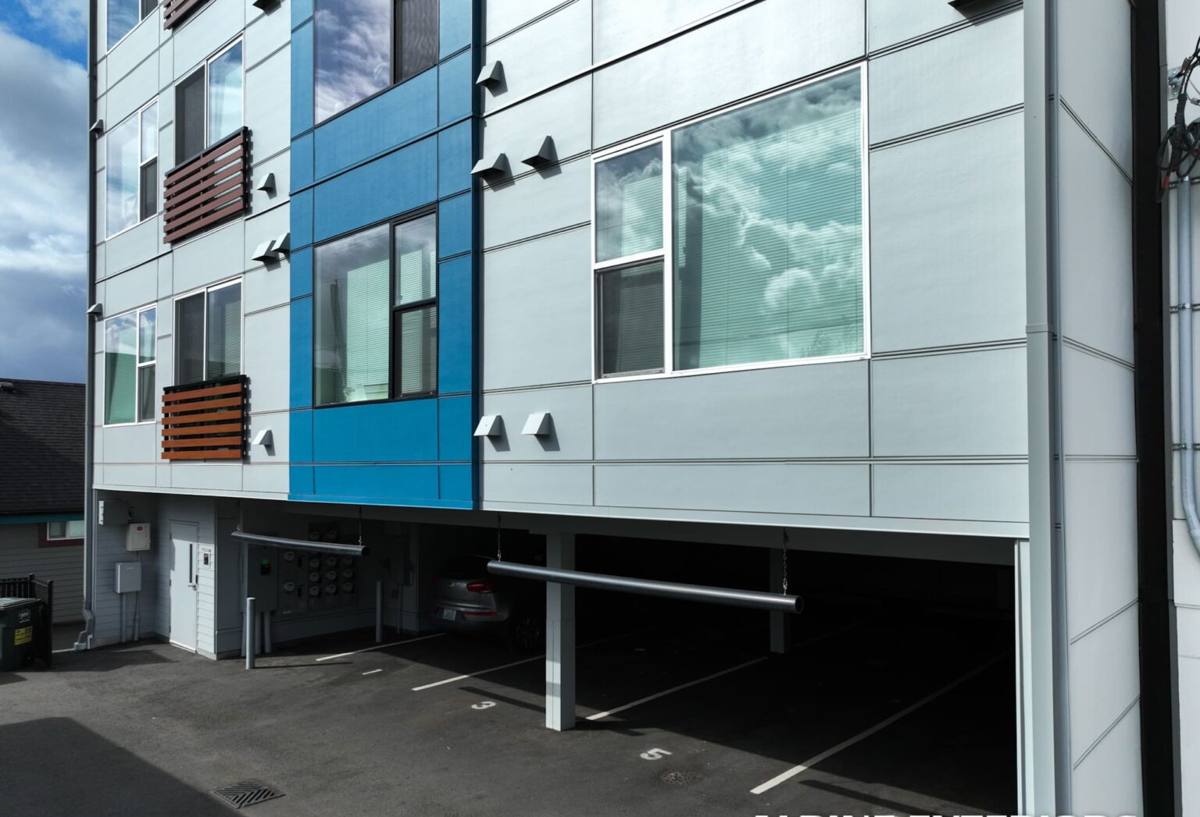
What This Climate Actually Does to a Wall
Wind and Wind-Driven Rain
Straight-line rain is manageable for almost any siding product. Wind-driven rain is different — it gets pushed up and under laps, into seams, and behind trim that wasn't flashed correctly. Over repeated storms, that moisture intrusion is what causes rot, swelling, and hidden sheathing damage, usually long before it's visible from the street.
UV and Heat
Florida sun is relentless on painted and coated surfaces. Field-applied paint chalks, fades, and breaks down faster here than in almost any other U.S. climate, which means the paint job — not just the siding material — becomes a recurring maintenance item if it isn't engineered for UV exposure from the start.
Salt Air
Belleair Bluffs' proximity to the water means airborne salt settles on every exterior surface. Salt accelerates corrosion of fasteners and metal trim, and it degrades certain coatings and adhesives faster than inland exposure would. Materials and fastener choices that work fine forty miles inland can underperform here.
Why We Install Only James Hardie Fiber Cement
We install James Hardie products exclusively — not vinyl, not LP SmartSide, not primed wood, not other fiber cement brands. That's a deliberate standard, not a sales preference, and it comes down to how these products actually hold up under Pinellas County conditions:
- Non-combustible material. Fiber cement doesn't feed a fire the way wood-based siding products can, which matters for insurance and for peace of mind.
- Engineered for this exact climate. Hardie's HardieZone system includes an HZ5 product line specifically formulated for humid, high-moisture climates like Florida's — different from the formulation sold in drier northern regions.
- Factory-applied ColorPlus finish. Rather than relying on field-applied paint that has to fight Florida UV from day one, ColorPlus is baked on at the factory with a finish designed to resist fading and hold color far longer than typical site-applied paint.
- Dimensional stability. Fiber cement doesn't expand and contract with heat and humidity the way vinyl and wood do, which keeps joints, caulking, and paint lines intact longer.
- A real transferable warranty backed by a manufacturer with decades of track record in coastal and hurricane-exposed markets, not just a general climate.
We're upfront that other products have their own selling points — vinyl is cheap and low-maintenance in mild climates, engineered wood has a warmer look. But when we weigh moisture behavior, UV resistance, wind performance, and long-term maintenance against what Belleair Bluffs homes actually go through, Hardie is what we're willing to put our name behind.
What a Correct Fiber Cement Installation Involves
Fiber cement siding is only as good as the installation underneath it. Most of the failures we get called out to inspect on older jobs — cracking at the corners, staining under trim, soft spots at the bottom course — trace back to shortcuts taken during install, not a flaw in the material itself.
| Installation Detail | Correct Approach | Common Shortcut That Causes Problems |
|---|---|---|
| Clearance above roofline/decks | Minimum manufacturer-specified gap maintained to prevent wicking | Siding installed flush or too close, trapping moisture |
| Fasteners | Corrosion-resistant fasteners rated for coastal/salt-air exposure | Standard fasteners that corrode and stain the face of the siding |
| Flashing at windows, doors, penetrations | Properly lapped flashing that directs water outward | Reliance on caulk alone, which fails over time |
| Butt joints and seams | Sealed and staggered per manufacturer spec, or flashed behind the joint | Unsealed or poorly aligned joints that let wind-driven rain in |
| Nailing pattern and depth | Per Hardie's fastening schedule, not overdriven | Overdriven nails that crack the board or void the warranty |
None of this is exotic — it's disciplined, by-the-book installation. But in a climate that punishes every gap and every shortcut, "close enough" doesn't hold up the way it might in a milder region.
How We Approach a Belleair Bluffs Project
Assessment
We start by evaluating the existing siding and the wall assembly underneath it — not just the surface. In an area with older housing stock, that often means checking for hidden moisture damage from prior wind-driven rain intrusion before a single new board goes up.
Removal and Prep
Old siding comes off, sheathing is inspected and repaired as needed, and a proper weather-resistive barrier goes on before any Hardie product is installed. Skipping this step is one of the most common corners cut in the industry, and it's one of the first places moisture problems start.
Installation to Spec
We follow Hardie's published fastening, clearance, and flashing requirements exactly — the same details in the table above — because in a coastal, hurricane-exposed city like Belleair Bluffs, deviations show up as callbacks within a few storm seasons, not decades.
Cleanup and Final Walkthrough
We walk the finished job with the homeowner, checking joints, trim lines, and paint consistency before calling it done.
Choosing the Right Hardie Line and Finish
Not every Hardie product fits every home, and for coastal Pinellas County properties we weigh a few things beyond just look:
- HardiePlank lap siding — the most common choice for traditional Florida homes, available in a range of textures and exposures.
- HardiePanel — vertical panel siding, often used for accent walls or more modern exteriors.
- HardieTrim — matched trim boards that hold color and shape as well as the field siding, instead of mismatched wood trim that weathers faster.
- ColorPlus finishes — factory-applied color is our default recommendation in this climate because it's engineered to resist the UV fade that hits field-painted surfaces hardest.
We talk through color and texture with the homeowner, but we also flag when a lighter or darker choice will behave differently under direct Florida sun over time — that's a conversation worth having before installation, not after.
Maintenance: What Ownership Actually Looks Like After Installation
Fiber cement is low-maintenance, not no-maintenance. In Belleair Bluffs, we recommend homeowners:
- Rinse the exterior periodically to clear salt residue and airborne debris
- Inspect caulking at trim and joints annually, especially after hurricane season
- Watch for any staining near fasteners, which can signal corrosion starting
- Keep an eye on clearance areas near decks, patios, and grade level for debris buildup
- Repaint only if using field-applied color, since ColorPlus finishes are designed to go far longer between repaints
None of this is heavy upkeep — it's the kind of periodic check that catches small issues before they become expensive ones.
What Drives the Cost of a Fiber Cement Project
| Factor | Why It Matters |
|---|---|
| Home size and complexity | More linear footage, corners, and roof lines increase labor and material needs |
| Existing siding removal | Tear-off and disposal of old material adds time versus a bare-wall install |
| Hidden sheathing repair | Moisture damage found during removal has to be fixed before new siding goes on |
| Product line and finish | ColorPlus finishes and trim upgrades cost more upfront than standard options |
| Trim and detail work | Homes with more architectural detail take more time to flash and finish correctly |
We give homeowners a real, itemized number after seeing the home — not a rough guess over the phone — because the variables above genuinely change the price from house to house.
Why Hiring a Crew That Already Works in Belleair Bluffs Matters
A contractor who regularly works this part of Pinellas County already knows what to expect: the permitting process for the city and county, the wind-load and building code requirements that apply to exterior work in a hurricane-exposed zone, and the practical realities of working on homes exposed to salt air and coastal storms. That familiarity shows up in fewer surprises during the project — and in an installation that's built correctly for the conditions it actually has to survive, not generic conditions from a training manual.
If you're weighing your options for fiber cement siding in Belleair Bluffs, we're glad to take a look at your home and walk you through what we'd recommend and why. Reach out for a free, no-pressure estimate using the form below.