 Clearwater Siding
 Why Belleair Bluffs Siding Takes More Punishment Than You'd Expect
Belleair Bluffs sits up on elevated ground overlooking the water in Pinellas County, and that elevation is a mixed blessing. The view is great; the wind exposure is not. Homes here catch stronger, more direct gusts off the water than houses tucked into lower, more sheltered parts of the county, and that wind carries fine salt spray that settles on siding, trim, and fasteners year-round. Add in Florida's intense UV load and the wind-driven rain that comes with almost every summer storm and hurricane season system, and you have a combination that wears siding down faster than most homeowners expect.
None of this means Belleair Bluffs homes need exotic materials or constant repair. It means the repairs that do happen need to be done correctly the first time, with attention to water management and fastening details that lower-exposure homes can sometimes get away with skipping. A patch that would hold up fine inland can fail within a season or two up on the bluff if it's not installed to spec.
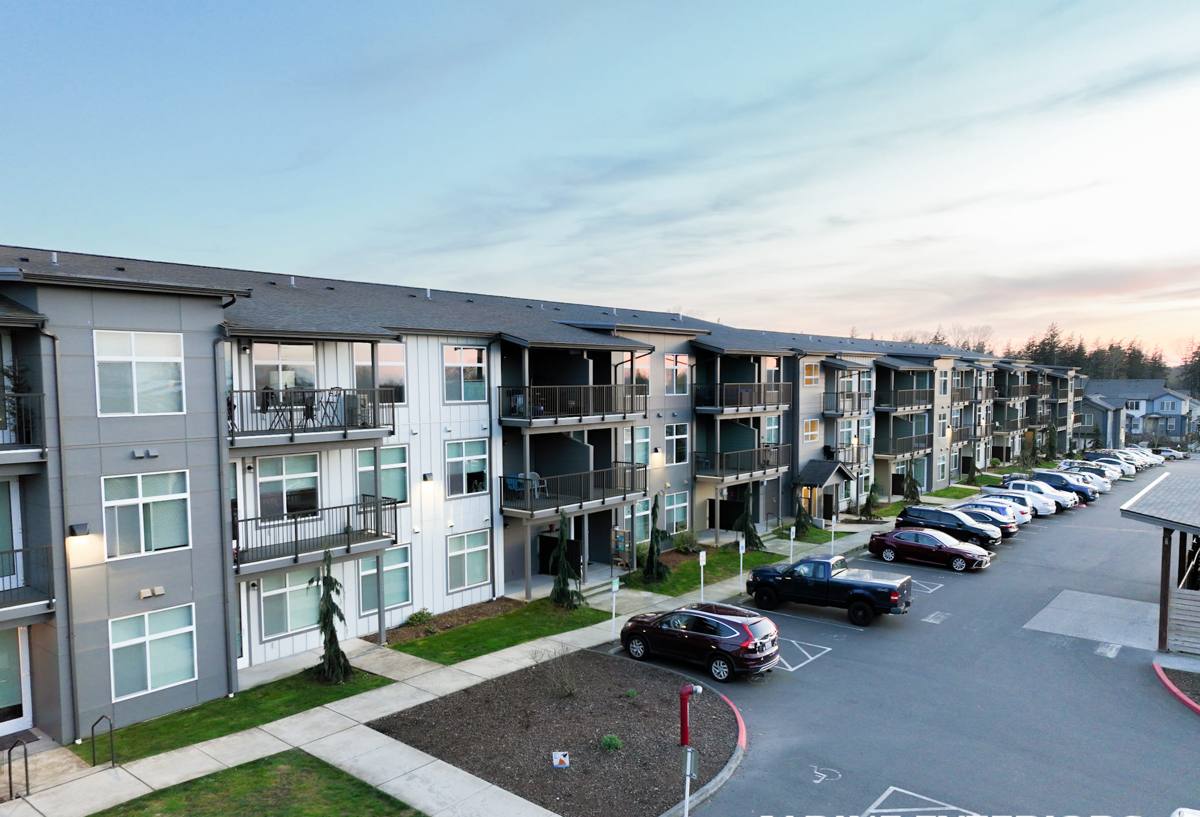
Common Siding Damage We See in This Area
Storm and Wind Damage
Wind uplift is the most common cause of localized siding failure we find on repair calls in this area. A board or panel that isn't fastened correctly — or has worked loose over time — can flex under gusts until a corner cracks, a seam opens, or a full section pulls away. Storm debris impact is the other frequent culprit: a chip or crack from flying debris looks minor at first but becomes an entry point for water if it's not addressed.
Moisture and Water Intrusion
Wind-driven rain doesn't fall straight down — it gets pushed sideways and upward into laps, seams, and trim joints that were never designed to handle water moving in that direction. Over time, gaps in caulking, missing or corroded flashing, and improperly lapped boards let moisture behind the siding. That's when you start seeing soft spots, staining, or bubbling paint, and it's often worse than it looks from the ground.
Sun and UV Fatigue
Florida sun is hard on any exterior material. Paint chalks and fades, caulking dries out and cracks, and lower-quality siding products can become brittle over years of UV exposure. This shows up as hairline cracking, color mismatch between sun-exposed and shaded elevations, and joints that no longer seal the way they did when the house was new.
Salt Air Effects on Fasteners and Trim
Salt air accelerates corrosion on anything metal — nail heads, trim flashing, hose bibs, light fixtures mounted to the siding. Corroding fasteners lose their grip over time, which is exactly how a section of siding that looked fine last year starts rattling loose or pulling away this year. This is one of the most overlooked causes of repeat siding problems on bluff and waterfront-adjacent homes.
What a Correct Siding Repair Actually Involves
Diagnosing the Real Cause First
The biggest mistake in siding repair is treating the visible damage as the whole problem. A cracked board is a symptom. Before we touch anything, we look at why that section failed — wind exposure, a flashing gap, a fastening error, water tracking down from somewhere above. Replacing a board without fixing the underlying cause just buys you a shorter repeat repair down the road.
Matching the Existing Siding
Because we install and repair exclusively with James Hardie fiber cement, matching an existing repair to the rest of the house is usually straightforward — Hardie's ColorPlus factory finish is manufactured to a consistent standard, and the plank and panel profiles are well documented. We match board width, exposure, and color as closely as the existing installation allows, and we're upfront with you if UV fading on older siding means a brand-new section will look slightly different until it weathers in.
Proper Flashing and Water Management
Any repair around a window, door, roofline, or penetration gets flashed and lapped correctly, not just caulked over. Caulk is a supplement to good water management, not a substitute for it. This is where a lot of cheap or rushed repairs fail — they look fine on day one and start leaking again within a year or two.
Fastening to Spec
James Hardie publishes specific fastener type, spacing, and placement requirements, and those requirements exist for a reason in a high-wind coastal county like Pinellas. We follow them on every repair, not just full installs, because a repair that isn't fastened to spec is a repair that's going to fail again in the next serious blow.
Repair vs. Replacement: How We Help You Decide
Not every damaged section needs a full re-side, and not every repair is worth doing if the underlying siding is near the end of its service life. Here's generally how we think through it:
| Factor | Repair Usually Makes Sense | Replacement Usually Makes More Sense |
|---|---|---|
| Extent of damage | Isolated to one or two areas/elevations | Recurring damage across multiple elevations |
| Age of existing siding | Siding is mid-life and otherwise sound | Siding is near or past its expected service life |
| Cause of failure | Impact damage, isolated fastening issue | Widespread moisture intrusion behind the cladding |
| Material | James Hardie fiber cement in good condition | Product with a history of moisture or maintenance issues |
| Color match | Recent install, ColorPlus finish still close | Heavily weathered, faded, or discontinued color |
We'll always tell you honestly which category your situation falls into. If a targeted repair will hold up, that's what we recommend — there's no reason to sell a homeowner a full re-side when a proper patch will do the job.
Why We Repair With James Hardie Fiber Cement — and Nothing Else
Our company installs and repairs James Hardie fiber cement siding exclusively. We don't work with vinyl, LP SmartSide, Cemplank, Allura, or primed wood products, and that's a deliberate standard, not an oversight. Fiber cement is non-combustible, holds paint and factory finish far better under Florida UV than vinyl, and doesn't have the moisture-related failure modes that engineered wood products can develop if a repair or original install isn't sealed perfectly. For repair work specifically, that consistency matters: we know exactly how Hardie product is engineered to shed water, take fasteners, and hold color, so we're not guessing at how a patch will perform over time.
James Hardie's HZ5 product line is engineered for higher-moisture, higher-humidity climates like Florida's Gulf Coast, which is part of why it holds up well here. If your home currently has a different siding material, we'll still give you an honest assessment of your repair options — but our own repair and installation work is Hardie only, because that's the product we trust to perform against Pinellas County's wind, sun, and salt exposure.
Our Siding Repair Process for Belleair Bluffs Homes
- Inspection. We walk the exterior, identify every affected area (not just the spot you called about), and check for underlying moisture or flashing issues.
- Diagnosis and honest recommendation. We explain what caused the damage and whether repair or replacement is the right call — no upselling.
- Written estimate. A clear scope of work and price before anything is touched.
- Repair. Damaged sections removed, underlying issues corrected (flashing, sheathing, fastening), new Hardie material installed to manufacturer spec.
- Finish and cleanup. Caulking, paint touch-up where needed, and a final walkthrough with you.
Why Hiring a Crew That Already Works This Area Matters
A crew that regularly works Belleair Bluffs and the surrounding Clearwater and Pinellas County area already understands the wind exposure differences between a bluff-top lot and a more sheltered inland property, which affects how aggressively we approach fastening and flashing on a repair. We're also familiar with local permitting requirements and the wind-load standards that apply to exterior work in this part of Florida, so repairs are done to code, not just to look right. That local familiarity shortens the diagnostic process and reduces the chance of a repair that needs to be revisited after the next storm season.
Signs You Should Get a Siding Repair Inspection Now
- Visible cracks, chips, or holes in any siding panel or board
- Soft or spongy spots when you press gently on the siding
- Peeling paint, bubbling, or staining, especially near seams and trim
- Gaps opening up at caulked joints around windows, doors, or corners
- A board or panel that has visibly shifted, warped, or come loose
- Rust streaking from fastener heads or trim flashing
- Noticeable color mismatch or fading concentrated on one elevation
- Any siding damage noticed right after a windstorm, even if it looks minor
Catching these early is almost always cheaper and simpler than waiting until the damage spreads or moisture gets behind the wall assembly.
If you've noticed any of these signs on your Belleair Bluffs home, we're happy to take a look. Reach out for a free, no-pressure estimate using the form below — we'll give you a straight answer on what's going on and what it will take to fix it right.