 Clearwater Siding
 Why Belleair Windows Have to Do More Than Look Good
Belleair sits on the water between Clearwater Harbor and the Gulf, which means homes here take a different kind of beating than houses ten miles inland. Salt-laden air corrodes hardware and finishes faster. Reflected sun off the water adds to an already brutal year-round UV load. And because the town sits in a high-wind coastal zone, every window on the house is also a structural component during a tropical storm or hurricane, not just a piece of glass in a frame.
That combination — heat, humidity, salt, and wind — is why a window that performs fine in a mild climate can fail here within a few years. Frames chalk and warp, seals break down early, and single-pane or older double-pane units let so much heat through that the air conditioner runs constantly just to keep up. Energy-efficient windows done right address all of that at once: comfort, utility bills, and storm protection, in one product.
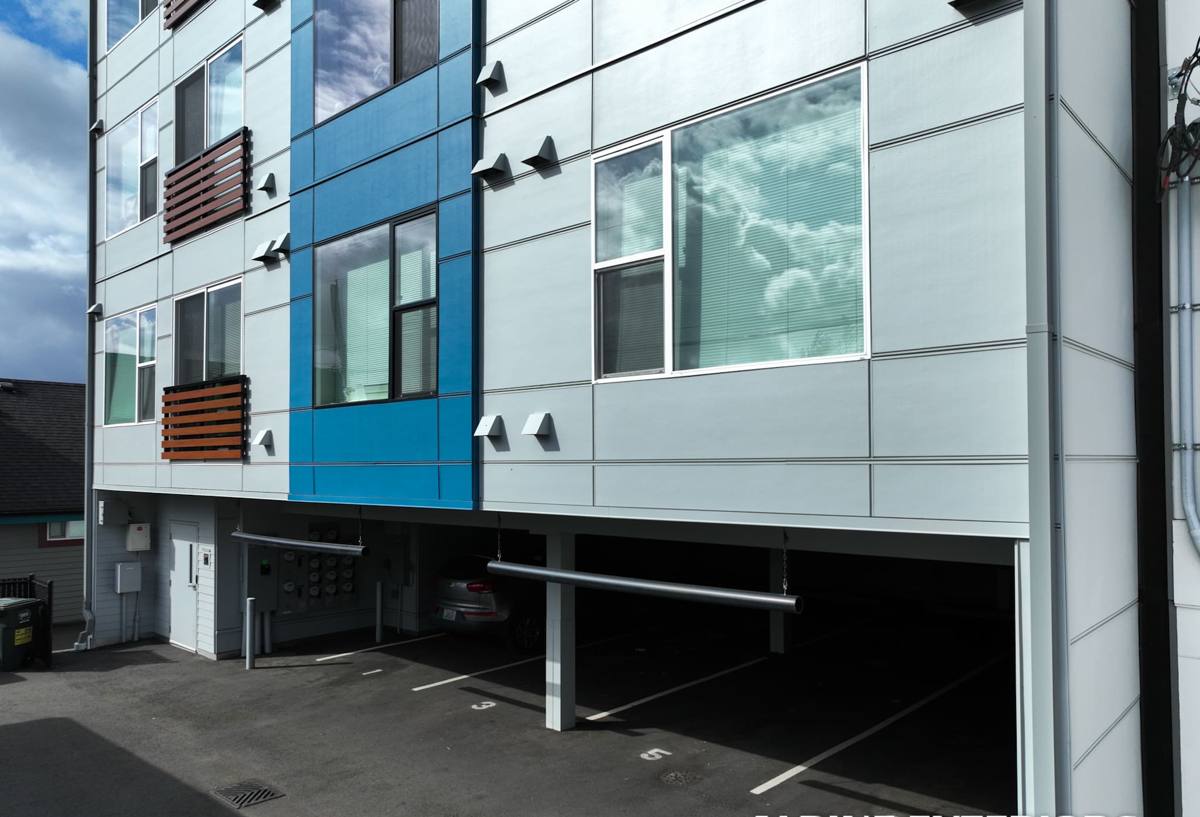
What "Energy-Efficient" Actually Means in This Climate
Energy efficiency and impact resistance are not the same thing, and homeowners often assume one automatically includes the other. It doesn't. A window can be impact-rated and still perform poorly on energy transfer, or be highly efficient and not rated for wind-borne debris at all. In Belleair, you generally want both, and the two ratings that matter most are:
- U-Factor — how much heat passes through the window. Lower is better for keeping conditioned air inside.
- SHGC (Solar Heat Gain Coefficient) — how much solar heat the glass lets in. In a sun-heavy coastal climate, a lower SHGC keeps rooms from overheating on the west and south sides of the house.
Beyond the glass rating, the frame material, spacer system, and installation quality all affect real-world performance. A high-end window installed with gaps in the flashing or an unsealed rough opening will leak air and eventually water, no matter what the label says.
Low-E Coatings and Gas Fills
Most efficient replacement windows use a low-emissivity (Low-E) coating on the glass — a microscopically thin layer that reflects infrared heat while still letting visible light through. Paired with an insulating gas fill (typically argon) between panes, this is what separates a genuinely efficient window from one that's just double-paned. For west- and south-facing rooms that catch the afternoon Gulf sun, this detail has a noticeable effect on how hot those rooms get by late afternoon.
Signs Your Current Windows Are Working Against You
Before recommending a full replacement, we look for specific signs that the existing windows are past their useful life rather than assuming based on age alone. Common indicators in Belleair homes include:
- Condensation or fogging between the panes (a failed seal that can't be repaired)
- Rooms near windows that feel noticeably hotter or colder than the rest of the house
- Visible frame warping, chalking, or pitting on aluminum frames from salt exposure
- Windows that are difficult to open, close, or lock properly
- Noticeable street or storm noise coming through closed windows
- A/C running longer cycles than it used to, with no other explanation
Any one of these is worth a look. Several together usually mean the windows are costing more in energy loss and repair calls than a properly specified replacement would.
What a Correct Installation Actually Involves
The window unit itself is only part of the equation. Most of the failures we get called out to fix on other contractors' work trace back to installation shortcuts, not the product. A correct job includes:
Accurate Measurement and Opening Prep
Every rough opening gets measured and checked for square, level, and plumb before ordering. Old caulk, rotted wood, or damaged framing gets addressed before a new window goes in — installing a good window into a bad opening just moves the problem down the road.
Flashing and Moisture Management
In a humid coastal climate, how water is managed around the window matters as much as the window itself. That means proper sill pans, correctly lapped flashing tape, and a drainage path so any water that gets past the exterior finish can escape instead of sitting against the framing.
Fastening to Meet Wind Load
Impact-rated and high-wind-zone windows are only rated for the wind loads shown on the manufacturer's approval when fastened exactly per that specification — correct fastener type, spacing, and embedment into structural framing. Skipping or spacing out fasteners to save time voids the real-world performance the window was tested for, even if it looks fine from the street.
Sealing, Insulation, and Interior Finish
The gap between the window frame and the rough opening gets properly insulated and sealed on both the exterior and interior — not just caulked over on the outside. This is where a lot of air leakage and eventual water intrusion actually happens, and it's invisible once trim is back on, which is exactly why it needs to be done right the first time.
Comparing Frame Materials for a Belleair Home
Frame material affects durability, maintenance, and how the window handles salt air and sun over time. There's no single right answer for every house — it depends on the home's style, budget, and how close it sits to the water.
| Frame Material | Salt Air Durability | Maintenance | Typical Fit |
|---|---|---|---|
| Vinyl | Good — won't corrode | Low; occasional cleaning | Most residential replacements |
| Aluminum | Fair — can pit/corrode near water without proper coating | Moderate; watch for oxidation | Modern or mid-century homes |
| Fiberglass | Very good — stable and corrosion-resistant | Low | Higher-end replacements, larger openings |
| Wood-clad | Poor without diligent upkeep near the water | High | Historic-style homes prioritizing appearance |
We'll walk through which material makes sense for your specific house and exposure during the estimate rather than defaulting to one product line for every job — a waterfront-facing wall and a sheltered interior courtyard on the same house can reasonably call for different answers.
What Drives the Cost of a Window Project
Pricing varies enough house to house that we won't publish a flat number, but the main cost drivers are consistent. Understanding them helps you compare quotes on an apples-to-apples basis.
| Factor | Why It Matters |
|---|---|
| Impact rating vs. standard glass | Impact-rated units cost more upfront but skip separate shutters/panels |
| Number and size of openings | Larger and more numerous windows increase material and labor |
| Frame material | Vinyl, aluminum, and fiberglass carry different material costs |
| Opening condition | Rotted framing or out-of-square openings add prep labor |
| Permitting and inspections | Required for most replacements in Pinellas County; adds time, not just fees |
Beware of quotes that skip permitting or don't mention wind-load documentation — in this climate, that paperwork is what protects you if there's ever an insurance claim or a future sale.
Permits, Wind Zones, and Insurance in Pinellas County
Window replacements in Belleair and the rest of Pinellas County typically require a building permit, and the products installed need to meet the local wind-load and impact requirements for the property's specific location. This isn't paperwork for its own sake — it's what confirms the window was actually engineered and installed to handle the wind pressures a home this close to the Gulf can see in a storm.
It's also worth checking with your homeowner's insurance carrier before and after the project. Impact-rated windows can affect wind mitigation credits, and having documentation of what was installed — permit records, product approvals — makes that conversation much easier when it's time to renew or file a claim.
Our Process, Start to Finish
- Estimate and assessment: We walk the exterior and interior, check existing window condition, and talk through priorities — energy performance, storm protection, budget, or all three.
- Product selection: We recommend frame material, glass package, and impact rating based on the home's exposure, not a one-size answer for every wall.
- Permitting: We handle the permit application and required documentation for Pinellas County before work begins.
- Removal and prep: Old units come out, openings are inspected and repaired as needed before the new windows go in.
- Installation: Windows are set, fastened to spec, flashed, insulated, and sealed on both sides.
- Final inspection and walkthrough: We confirm operation, sealing, and finish work with you before calling the job complete, and schedule the required county inspection.
Why It Matters That We Already Work in Belleair
A crew that already does regular work in Belleair understands the practical realities of the town before the first estimate — narrower lots, older homes with non-standard rough openings, HOA or historic-appearance considerations on some streets, and what the county's inspectors actually look for on window permits. That familiarity cuts down on surprises mid-project, whether it's an opening that doesn't match a standard size or a permit detail that gets flagged if it's missing.
It also means we're not learning the coastal-durability lessons on your house. Salt air, sun exposure, and wind load behave differently a block from the water than they do a few miles inland, and specifying the right product for that exposure is something that comes from doing the work here repeatedly, not from a general product catalog.
Keeping New Windows Performing Long-Term
Even a correctly installed, high-quality window benefits from basic upkeep in this climate. A short annual routine goes a long way:
- Rinse frames and glass periodically to clear salt residue, especially on homes closer to the water
- Check and lubricate hardware — locks, hinges, rollers — so they don't seize or corrode
- Inspect exterior caulking annually and touch up any cracked or missing sections
- Clear weep holes (small drainage openings at the base of the frame) of debris so water can drain properly
- Watch for condensation between panes, which signals a seal failure rather than a cleaning issue
None of this is heavy maintenance — it's the kind of thing that takes an hour a year and meaningfully extends the life of the investment.
Ready for a Straight Answer on Your Windows?
If you're not sure whether your current windows need full replacement or just some attention, we're glad to take a look and give you an honest read — no pressure, no upsell. Fill out the form below for a free estimate, and we'll walk the house with you and talk through what actually makes sense for your home in Belleair.