 Clearwater Siding
 Board & Batten Siding in Coachman Ridge: A Classic Look Built for a Tough Climate
Board and batten siding has become one of the most requested exterior styles in Coachman Ridge, and it's easy to see why. The vertical lines and crisp shadow reveals give a home a clean, tailored look that works equally well on a full facade, a gable accent, or a front-porch feature wall. But in Pinellas County, a siding choice is never just about looks. Coachman Ridge homes sit close enough to the Gulf and Tampa Bay to deal with salt-laden air, and every summer brings the same combination of intense UV exposure, sudden downpours, and the real possibility of hurricane-force wind. A board and batten installation that isn't detailed correctly for this environment will show it within a few seasons — cupped boards, cracked caulk lines, and moisture stains at the battens are common callbacks we see on homes that were sided with the wrong approach or the wrong product.
This page covers what board and batten siding needs to hold up in Coachman Ridge specifically, what a correct installation actually involves, and why we install it exclusively in James Hardie fiber cement rather than the wood or engineered wood products some homeowners ask about.
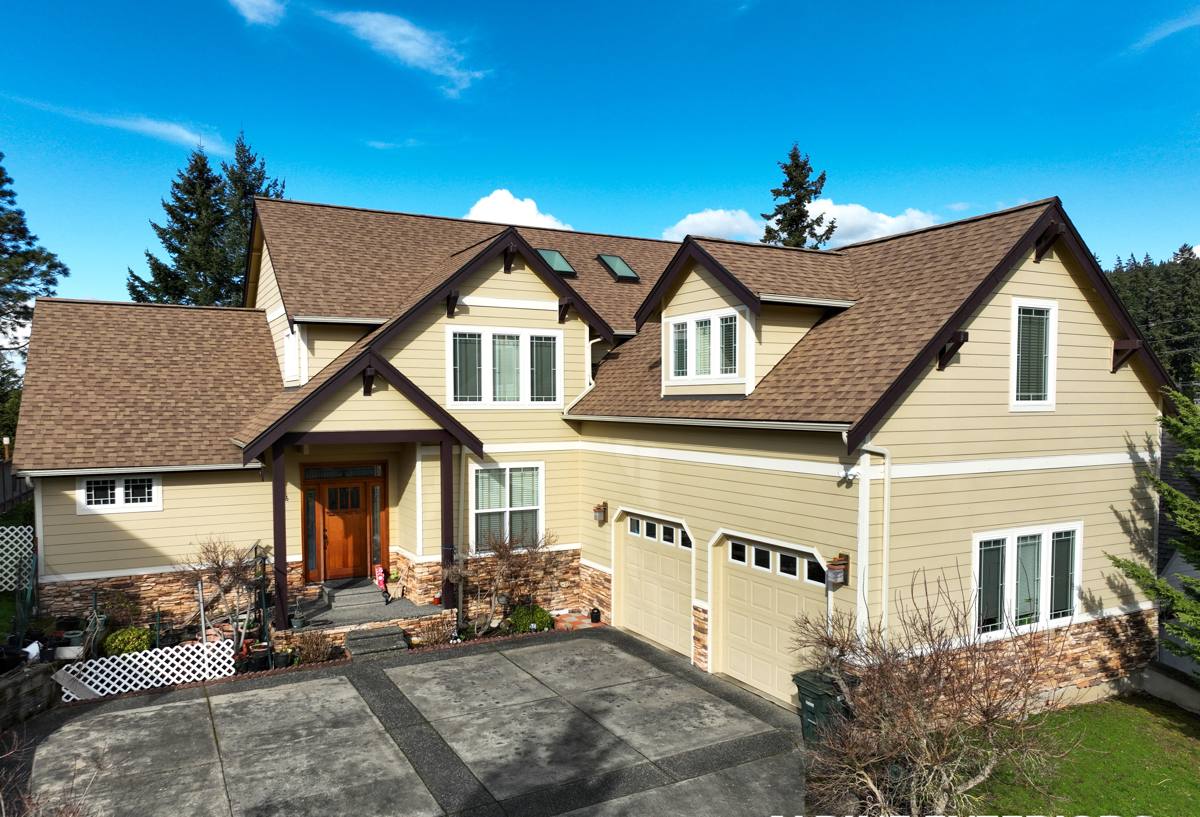
What Coachman Ridge's Climate Demands From a Board & Batten System
Board and batten is a style, not a material — it can be built out of real wood, engineered wood, vinyl, or fiber cement, and the material choice matters more here than almost anywhere else in the country. A handful of climate factors specific to this part of Clearwater shape how the system needs to be built:
- Wind-driven rain: Storms off the Gulf don't just drop rain, they push it sideways and force it up and under laps and joints. A batten system with weak flashing or gaps at the seams becomes a direct water path into the wall assembly.
- Salt air corrosion: Being inland of the immediate coastline doesn't fully protect Coachman Ridge homes from salt exposure carried in on Gulf breezes. Fasteners, flashing, and trim metal all need to be rated for it.
- Year-round UV: Central Florida sun is relentless on painted surfaces. Field-applied paint on wood battens chalks and fades faster here than in most of the country, which is part of why factory-cured finishes hold up so much better locally.
- Hurricane-force wind loads: Pinellas County wind design requirements are not a formality — panels and battens have to be fastened to a schedule that's actually engineered for the loads a named storm can put on a wall.
None of this means board and batten is a poor fit for the area — it's a very good fit, when it's built with the right material and the right details. It just means the "how" matters more here than it does in a milder climate.
What a Correct Board & Batten Installation Involves
Starting With the Right Substrate and Weather Barrier
Before a single board goes up, the wall needs a continuous, correctly lapped weather-resistive barrier, with every penetration and transition properly flashed. This step gets skipped or rushed more often than homeowners realize, and it's the single biggest predictor of whether a wall stays dry over the long run.
Rainscreen Detailing
Board and batten profiles create more vertical seams than a standard lap siding job, and each seam is a potential water path. A furred-out (rainscreen) installation creates a drainage gap behind the siding so any moisture that does get past a seam has somewhere to go, instead of sitting against the sheathing. In a climate with as much wind-driven rain as Coachman Ridge sees, this detail earns its cost back in avoided rot and mold issues down the road.
Fastening for Wind Load
Batten spacing, fastener type, and fastener spacing all need to match the wind zone the home sits in and the manufacturer's engineering data for that product line — not a generic pattern used everywhere. Corrosion-resistant fasteners are non-negotiable this close to salt air; standard fasteners will bleed rust through the finish within a few years.
Joint and Trim Sealing
Every board-to-batten joint, corner, and window/door transition needs the correct sealant, applied to a clean, primed surface, in a bead sized for real movement. Caulk that's too thin, applied over dust, or skipped entirely at a "hidden" seam is one of the most common shortcuts we see undoing an otherwise decent install.
Board & Batten Style Options We Install
There's more than one way to build a board and batten look with James Hardie fiber cement, and the right choice depends on the home's architecture and how the wall is being used (full facade vs. accent).
| System | How It's Built | Best Use on Coachman Ridge Homes |
|---|---|---|
| Hardie Artisan Board & Batten | Purpose-made vertical panel with a refined, deep-grain finish designed for this exact look | Full facades or prominent front elevations where appearance is the priority |
| HardiePanel + Battens | Vertical fiber cement panel with separate battens fastened over the joints | Larger wall sections, garages, and gable ends; strong value per square foot |
| Board-on-Board Accent | Individual vertical boards installed with a slight overlap, no separate batten strip | Porch gables, dormers, and accent walls paired with lap siding elsewhere on the home |
All three are installed over the same rainscreen and flashing details described above — the panel choice changes the appearance and labor, not the underlying moisture management.
Why We Install James Hardie and Not Wood or Engineered Wood Board & Batten
Real wood and engineered wood board and batten both have a place in the market, and we understand the appeal — wood is a traditional look and it's often the cheaper up-front bid. But we don't install either on Coachman Ridge homes, and it's worth being direct about why. Real wood board and batten needs regular repainting to survive Florida UV and humidity, and once a board starts absorbing moisture at a joint or a fastener hole, rot can spread before it's visible from the ground. Engineered wood products have closed some of those gaps but are still wood-based at the core, meaning they remain sensitive to sustained moisture exposure and installation errors in a way fiber cement simply isn't.
James Hardie fiber cement is non-combustible, dimensionally stable in heat and humidity, and available in HZ5 formulations engineered specifically for high-humidity, storm-prone climates like ours. The ColorPlus factory finish is baked on and warrantied against fading and chipping, which matters enormously under Pinellas County's UV load — it's the difference between a home that needs repainting on a five-year cycle and one that doesn't. It's also backed by a strong transferable warranty, which protects the investment for a homeowner who sells before the siding's functional life is over. That combination is why board and batten leaves our crews as Hardie, every time.
Our Process for Coachman Ridge Board & Batten Projects
1. On-Site Assessment
We walk the home, check the current siding and substrate condition, note wind exposure and drainage patterns around the foundation, and talk through which board and batten system fits the home's architecture and budget.
2. Detailed, Written Estimate
The estimate spells out the specific Hardie product, the fastening and flashing approach, and the scope — no vague "siding replacement" line items. You should be able to read the estimate and know exactly what's being installed and how.
3. Preparation and Weather Barrier Installation
Old siding comes off, the substrate gets inspected and repaired where needed, and a continuous weather-resistive barrier goes on with all penetrations flashed before any board or batten is installed.
4. Installation to Manufacturer and Local Code Specification
Panels, boards, and battens go up on a rainscreen assembly with fastening matched to Pinellas County wind requirements and corrosion-resistant hardware throughout.
5. Final Detailing and Walkthrough
Trim, caulking, and touch-up work get finished, and we walk the finished job with the homeowner before calling it complete.
Why a Crew That Already Works in Coachman Ridge Matters
Board and batten siding done right depends on details that are specific to the site — how a particular lot drains, which elevations take the most direct wind-driven rain, how the local building department wants wind bracing and flashing documented for permit. A crew that already works in this neighborhood has seen how homes here are built, knows the typical wall assemblies used in the area, and isn't learning Pinellas County's wind and moisture requirements on your project. That familiarity shows up in fewer surprises during tear-off, a smoother permitting process, and a finished installation that's actually built for what this specific location experiences every year, not a generic national spec.
Signs Your Current Siding Needs Attention
- Visible cupping, warping, or splitting in wood or engineered wood boards, especially near the ground or at seams
- Soft or spongy spots when pressed, which usually indicate trapped moisture behind the surface
- Peeling or heavily chalked paint that's no longer protecting the substrate underneath
- Dark staining or streaking at battens and joints, often a sign water is tracking behind the siding
- Visible fastener corrosion or rust streaks bleeding through the finish
- Gaps opening up at corners, trim, or window transitions where caulk has failed
Any one of these on their own may just need a repair. Several showing up together usually means the underlying wall assembly is taking on moisture and it's worth a full assessment before it becomes a larger repair.
Maintenance and Long-Term Care
One of the practical advantages of James Hardie board and batten is how little ongoing maintenance it asks for compared to wood. There's no repainting cycle required to keep water out — the factory finish is doing that job. Homeowners still benefit from an annual visual check of caulk joints and trim, especially after a rough storm season, and from keeping sprinklers and heavy landscaping from spraying or pressing directly against the base of the siding. That's a substantially lighter maintenance load than a wood or engineered wood system requires in this climate.
If you're considering board and batten siding for a home in Coachman Ridge, we're happy to walk the property, look at what's there now, and put together a straightforward, written estimate — no pressure, no obligation. The form below is the easiest way to get that started.