 Clearwater Siding
 Why Coachman Ridge Roofs Take a Different Kind of Beating
Coachman Ridge sits inland from the immediate coastline, but "inland" in Pinellas County still means hurricane-force wind gusts, sideways rain during summer storm season, and some of the most intense year-round UV exposure of any part of the country. A roof here isn't just shedding water on a normal rainy day — it's being asked to survive wind uplift, wind-driven rain forced sideways under shingles and flashing, and constant sun that breaks down roofing materials faster than in almost any other climate zone in the continental U.S.
That combination is why storm damage on a Clearwater roof rarely looks like one clean problem. A single named storm or even a strong seasonal thunderstorm line can lift shingles at a ridge, drive rain under flashing that was already sun-weakened, and knock loose debris that dents vents and scuffs granules — all in the same afternoon. When we get called out to Coachman Ridge after a storm, we're usually looking at several small, related issues rather than one obvious hole, and treating it that way is what actually stops the leak.
What "Storm Damage" Actually Covers
Homeowners often picture storm damage as a tree branch through the roof deck, and sometimes it is. Far more often, it's less dramatic and easier to miss: creased or lifted shingle tabs, sealant strips broken loose by wind flex, granule loss that leaves asphalt exposed to UV, flashing nails backed out by repeated wind uplift, and small punctures from wind-blown debris. None of those look urgent from the ground. All of them let water in eventually.
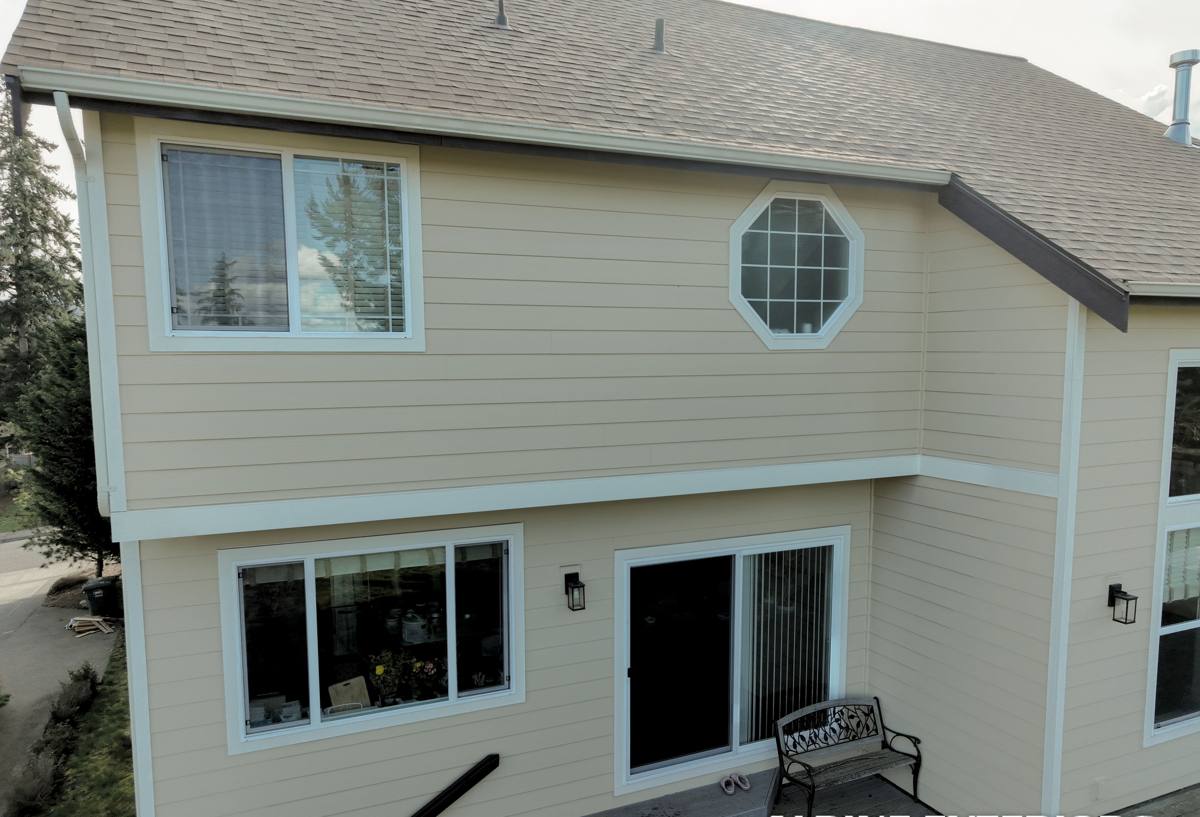
How Wind, Rain, and Sun Combine on This Type of Roof
Most homes in this part of Clearwater are asphalt shingle or tile roofs on a fairly standard suburban roofline — moderate pitches, a mix of hips and gables, and the usual penetrations for plumbing vents, HVAC, and chimneys where applicable. That roof type holds up fine under normal Florida rain. Under storm conditions, three things stack on top of each other:
- Wind uplift works at edges, ridges, and rakes first, because that's where wind gets underneath a roofing material and starts prying at the fasteners and sealant.
- Wind-driven rain doesn't fall straight down — it gets pushed sideways and upward under laps, flashing, and shingle tabs that were only ever designed to shed water moving downhill.
- Chronic UV exposure pre-weakens sealant strips, adhesive, and asphalt itself between storms, so a wind event that a newer roof would shrug off can do real damage to a roof that's already a decade or more into Florida sun exposure.
The practical result is that storm damage severity in Coachman Ridge often has less to do with how strong a given storm was and more to do with how much UV fatigue the roof had already absorbed before that storm hit. A five-year-old roof and a fifteen-year-old roof can go through the identical wind event and come out with very different amounts of damage.
What a Correct Storm Damage Repair Actually Involves
Start With a Full Inspection, Not Just the Visible Spot
If there's an active leak or a visibly missing section of roofing, that's the obvious starting point, but it's rarely the whole story. We walk the full roof — not just the reported area — because wind damage tends to cluster at edges, ridges, valleys, and around penetrations, and a storm strong enough to cause one problem usually loosened something else nearby that hasn't leaked yet. Checking flashing at every roof-to-wall transition, vent boot, and valley during the same visit is what keeps you from calling us back out for a "new" leak three storms from now that was actually the same event.
Match Materials, Don't Just Patch Over
A correct repair replaces damaged shingles, tiles, or underlayment with matching material installed to the same nailing or fastening pattern the rest of the roof uses, not a quick tar-and-cover patch. Mismatched patches are one of the most common causes of repeat leaks we see on older repairs — they can look fine from the ground while doing almost nothing to stop water once wind gets under the next storm's rain.
Flashing Gets Checked Every Time
Because wind-driven rain in this climate exploits flashing before it exploits the field of the roof, we treat flashing inspection and resealing as a standard part of storm repair rather than an upsell. Loose, corroded, or improperly lapped flashing at chimneys, skylights, wall intersections, and valleys is one of the single biggest sources of storm-related leaks in Clearwater, and it's often invisible from ground level.
Document the Damage
For homeowners planning to file an insurance claim, we document what we find — photos of the damaged area, the surrounding roof condition, and the repair scope — before and after the work. Good documentation doesn't guarantee a claim outcome, but it gives you and your adjuster an accurate, dated record instead of a dispute over what the roof looked like before repairs started.
Our Process for Coachman Ridge Storm Calls
- Inspection: Full roof walk-through, not just the reported problem area, checking shingles/tiles, flashing, valleys, vents, and the attic or interior ceiling for early water staining.
- Written assessment: A clear explanation of what's damaged, what's still sound, and what needs to happen — in plain language, not a vague "roof needs work" note.
- Temporary protection if needed: If there's an active leak or exposed decking, we can get it weather-tight quickly while the full repair or insurance process moves forward.
- Repair: Matching materials, correct fastening patterns, and flashing work done to manufacturer specifications, not shortcuts that hold until the next storm.
- Final check: A post-repair walkthrough so you know exactly what was done and what to watch for going forward.
Repair vs. Replacement: How We Help You Decide
Not every storm-damaged roof needs a full replacement, and not every roof that "looks fine" from the driveway is actually sound. The honest answer depends on the roof's age, how much of it was affected, and how much UV fatigue it already had going into the storm. Here's how we generally think through that decision:
| Factor | Leans Toward Repair | Leans Toward Replacement |
|---|---|---|
| Roof age | Under roughly 10–12 years | Nearing or past typical material lifespan |
| Damage extent | Isolated to one section or a few areas | Widespread across multiple roof planes |
| Underlying material condition | Deck and underlayment sound where inspected | Deck rot, saturated underlayment, or prior repairs stacked on repairs |
| Granule loss / UV wear | Minimal, localized | Widespread bald spots, brittle or curling shingles |
| Storm history | First significant event in years | Repeated storm hits with no full inspection between them |
We'll always tell you honestly if repair is the right call rather than pushing a full replacement a roof doesn't need yet — and just as honestly if a repair would just be a temporary fix on a roof that's genuinely at the end of its service life.
What to Check After a Storm, Before You Call
A few things you can safely check from the ground or from inside the house can help you describe the problem accurately and can flag issues before they become bigger ones:
- Ceiling stains, especially near interior corners, chimneys, or skylights, even faint discoloration
- Granules collecting in gutters or at downspout outlets after a storm — a sign of accelerated shingle wear
- Visibly lifted, missing, or curled shingles from the ground or a neighbor's upstairs window
- Dented or dislodged roof vents, boots, or flashing pieces
- Debris on the roof itself — branches, palm fronds, or shingle granules blown from elsewhere
- Soft spots or sagging noticed when walking the attic, if it's safe to check
Never get on the roof yourself after a storm to inspect it — wet, wind-loosened roofing is genuinely dangerous, and it's exactly the kind of inspection we do safely and routinely.
Why Local Experience in This Neighborhood Matters
Coachman Ridge homes share a lot of the same construction era and roofing choices, which means a crew that's already worked in the area has a real head start — we know the common roof types, the typical flashing details builders used, and the kinds of wear patterns that show up on homes of similar age here versus roofs in newer subdivisions or older waterfront properties elsewhere in Clearwater. That familiarity speeds up diagnosis and means fewer surprises once we're actually on the roof.
It also means we're not guessing at how Pinellas County's permitting and inspection requirements apply to storm repair work — we handle that as a normal part of the job so you don't have to chase it down separately.
Preventing the Next Storm From Doing More Damage
Once storm damage is repaired, a few maintenance habits meaningfully reduce how much the next event costs you:
- Keep gutters and downspouts clear so wind-driven rain has somewhere to go instead of backing up under the roof edge
- Trim back tree limbs that overhang the roofline before storm season, not after a branch has already come down
- Have flashing and sealant checked every couple of years, since UV breaks down sealant well before most homeowners notice a leak
- Address minor granule loss or small shingle lifts promptly — small, cheap fixes now prevent expensive water intrusion later
Ready When the Next System Rolls Through
Storm damage on a Coachman Ridge roof rarely announces itself clearly, and waiting until a stain shows up on the ceiling usually means the water's been getting in for a while already. If you've been through a recent storm and want an honest look at what your roof actually needs — repair, monitoring, or something more — reach out for a free, no-pressure estimate using the form below.