 Clearwater Siding
 Asphalt Shingle Roofing Built for Countryside's Climate
Countryside is one of the larger established residential areas in northern Clearwater, and most of its homes were built during a stretch when three-tab shingles were the default roofing choice. Many of those original roofs, and the replacements that followed them, are now reaching the point where age and Florida weather have caught up with them. A shingle roof in this part of Pinellas County doesn't fail because shingles are a bad product. It fails because the climate here is genuinely hard on any roof: intense UV exposure nearly year-round, sudden wind-driven rain, salt-laden air pushing in off the Gulf, and the real possibility of hurricane-force gusts during storm season. A shingle roof that's installed and maintained with those conditions in mind will outperform one that was put on quickly and left alone.
This page covers what a correct asphalt shingle roofing job looks like for a Countryside home specifically, not shingle roofing in general terms that could apply anywhere in the country.
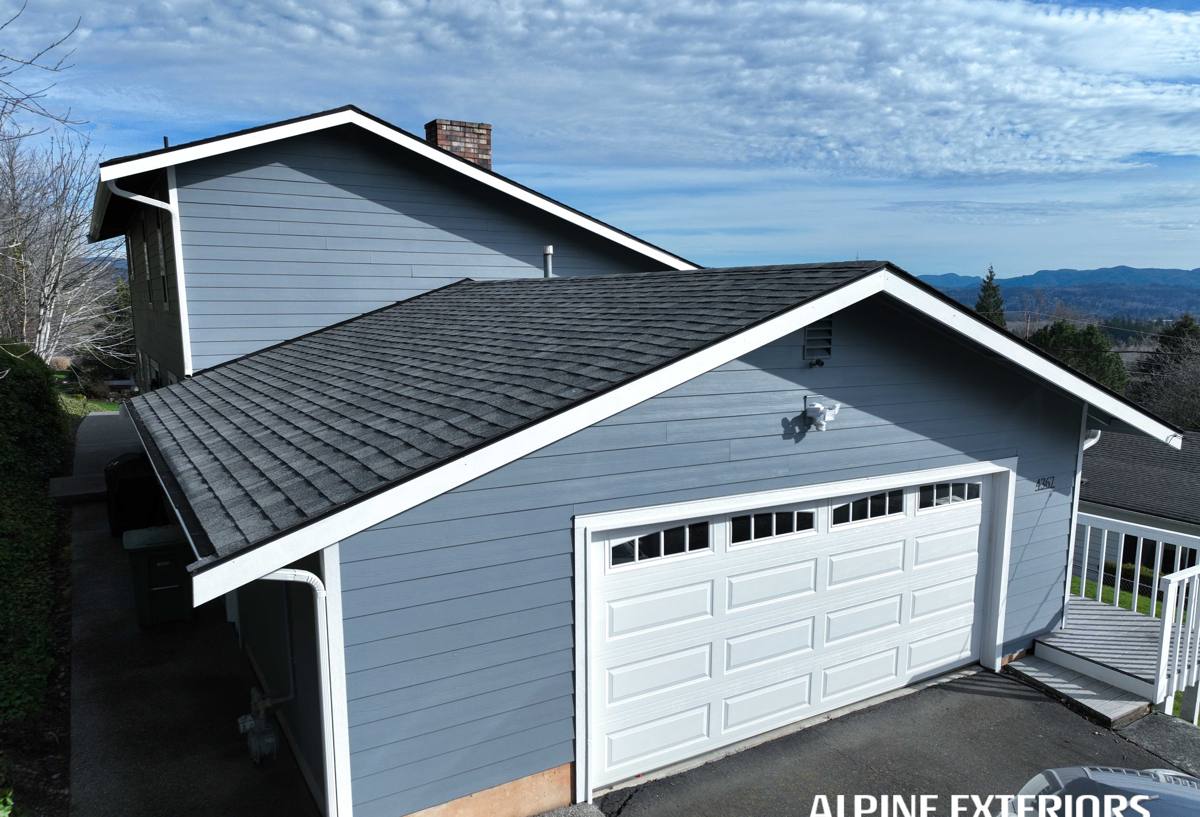
What Florida Weather Actually Does to a Shingle Roof
UV and Heat
Asphalt shingles are held together by asphalt-saturated mat and granules that shield that asphalt from sunlight. Clearwater's sun exposure is stronger and more consistent than most of the country's, and that accelerates the natural drying-out process of the asphalt. Over years, shingles lose flexibility, granules loosen, and the shingle becomes more brittle and more prone to cracking or curling at the edges.
Wind and Wind-Driven Rain
Pinellas County sits on a peninsula, which means wind off the water is a near-constant factor and tropical-system winds are a seasonal reality. Wind doesn't just risk tearing shingles off outright — the more common failure is wind getting up under a shingle tab that wasn't sealed or nailed correctly, which then lets wind-driven rain travel sideways underneath the shingle layer instead of running off the surface like it's supposed to.
Salt Air
Being close enough to the Gulf to catch salt air in the wind matters more for metal roof components — nails, flashing, vents, and drip edge — than for the shingles themselves. Corrosion-resistant fasteners and flashing are not optional upgrades here; they're a baseline requirement for a roof that's going to hold up.
Signs a Countryside Roof Needs Attention
Most shingle roof problems give warning signs well before there's an active leak. Knowing what to look for from the ground can save a homeowner from a much larger repair bill later.
- Shingles that look curled, cupped, or lifted at the edges rather than lying flat
- Bald spots where granules have worn away, exposing the darker asphalt underneath
- Granules collecting in gutters or at the base of downspouts after rain
- Visible cracking across the face of shingles, especially on south- and west-facing slopes
- Soft spots or discoloration on ceilings or in the attic after heavy rain
- Missing shingles or exposed nail heads after a windy day
- Streaking or dark staining, which is often algae growth rather than structural damage but is worth having checked
Any one of these on its own might just need a targeted repair. Several at once, or a roof that's already 18-20+ years old, usually points toward a full replacement being the more cost-effective path.
What a Correct Shingle Roofing Job Involves
The shingles are the most visible part of a roof, but they're the last layer installed and the least important one when it comes to actually keeping water out. The layers underneath are what determine whether a roof performs in a real storm.
| Component | Why It Matters in This Climate |
|---|---|
| Deck inspection and repair | Soft, delaminated, or water-damaged decking has to be replaced before new shingles go down — shingles cannot compensate for a bad substrate |
| Underlayment (synthetic or peel-and-stick) | This is the actual waterproof layer; it's what protects the home if wind ever gets under the shingles |
| Starter strip at eaves and rakes | Gives the first course of shingles proper adhesion and wind resistance at the roof's most vulnerable edges |
| Correct nailing pattern | Under-nailed or improperly placed nails are one of the most common causes of wind blow-off in Florida |
| Flashing at valleys, walls, and penetrations | Vents, chimneys, and skylights are the most common leak points on any shingle roof, salt air or not |
| Corrosion-resistant fasteners and drip edge | Coastal air accelerates rust on standard hardware; this is a durability issue, not a cosmetic one |
| Attic ventilation | Poor airflow traps heat and moisture, which shortens shingle life from underneath |
Choosing the Right Shingle for a Countryside Home
Not every shingle product is built the same, and the right choice usually comes down to a homeowner's budget, how long they plan to stay in the home, and their tolerance for maintenance over time.
| Shingle Type | Typical Wind Rating | Trade-Offs |
|---|---|---|
| 3-tab shingles | Lower end of the range | Lowest upfront cost, but thinner profile and generally shorter service life in high-UV, high-wind conditions |
| Architectural (laminate) shingles | Higher, product-dependent | Heavier, more layered construction holds up better to wind and UV; the standard choice for most Florida re-roofs today |
| Impact-resistant (Class 4) shingles | Higher, product-dependent | Added resistance to debris impact during storms; may qualify for insurance premium credits, at a higher material cost |
We don't push a single brand or product as the answer for every roof. What we do is match the shingle's wind rating and warranty structure to what the specific home needs, and we're upfront about the maintenance and cost trade-offs of each option before any decision gets made.
Our Process for Countryside Shingle Roofing Projects
1. Inspection and Honest Assessment
We start on the roof, not with a sales pitch. That means checking the deck, the flashing, the ventilation, and the actual condition of the existing shingles before recommending repair versus replacement.
2. Clear, Written Estimate
The estimate spells out materials, scope, and price with no vague allowances. If something on the roof needs attention beyond the original request, we explain why before it becomes a surprise on the invoice.
3. Installation Day
Tear-off, deck repair as needed, underlayment, flashing, and shingle installation are done in sequence, with attention paid to the nailing pattern and edge details that matter most in wind events — not just getting shingles on the roof quickly.
4. Cleanup and Final Walkthrough
Job sites get cleared of debris and nails using a magnetic sweep, and we walk the finished roof with the homeowner rather than just leaving an invoice behind.
Ventilation, Attics, and Long-Term Roof Health
A roof's lifespan isn't only about what's happening on top of the shingles. Florida attics can reach extreme temperatures in summer, and if that heat and any accompanying moisture aren't properly vented, it bakes the shingles from underneath and shortens their service life regardless of how good the installation was on the surface. Ridge vents, soffit vents, and proper attic airflow are part of a correct shingle roofing job, not an optional add-on — especially on a roof that's expected to hold up through a full range of Pinellas County summers.
Wind Mitigation, Permits, and Insurance Considerations
Florida requires permits and inspections for roof replacement, and Pinellas County enforces current wind-resistance building code requirements on new roofing work. A properly documented replacement can also qualify a home for a wind mitigation inspection, which insurers use to calculate windstorm premium discounts. We handle the permitting side of the job and provide the documentation homeowners need to submit for that inspection — it's part of doing the job correctly, not a separate service.
Maintenance Checklist for Shingle Roofs in This Area
- Have the roof inspected after any major storm, even if there's no visible interior leak
- Keep gutters and downspouts clear so water isn't backing up under the eaves
- Trim back overhanging branches that can scrape granules loose or drop debris
- Watch for granule buildup in gutters as an early sign of shingle wear
- Address small leaks or lifted shingles promptly rather than waiting for the next storm season
- Get a professional inspection roughly every 2-3 years, more often as the roof ages past 15 years
Why It Matters to Hire a Crew That Already Works in Countryside
Roofing crews that regularly work Countryside and the surrounding Clearwater area know what a typical roof structure and age profile in this neighborhood looks like, which makes inspections faster and estimates more accurate from the start. Just as important, we know Pinellas County's permitting process and current wind mitigation documentation requirements, so there's no learning curve or delay caused by unfamiliarity with local code. A roof done right the first time, by a crew that isn't guessing at what this climate demands, is the difference between a shingle roof that needs attention every couple of years and one that quietly does its job through hurricane season after hurricane season.
If your Countryside home's shingle roof is showing its age, took some wind damage, or you just want an honest opinion on where it stands, we're happy to take a look. Reach out using the form below for a free, no-pressure estimate.