 Clearwater Siding
 Roofing in Del Oro: A Different Set of Demands
Homes in the Del Oro neighborhood sit squarely in Pinellas County's toughest weather zone for roofing. It's not one big event that wears a roof down here — it's the accumulation of everything Clearwater throws at a house year-round: hurricane-force wind gusts during storm season, intense subtropical UV nearly every day of the year, wind-driven rain that finds its way under loose flashing, and a steady dose of salt air drifting in off the Gulf. Any one of those is manageable. All four working on the same roof, year after year, is what actually causes damage.
That's why roof repair here isn't just "patch what's leaking and move on." A repair that doesn't account for Clearwater's climate tends to fail again within a season or two. Our approach is built around what actually holds up in this specific environment, on homes in this specific part of the county.
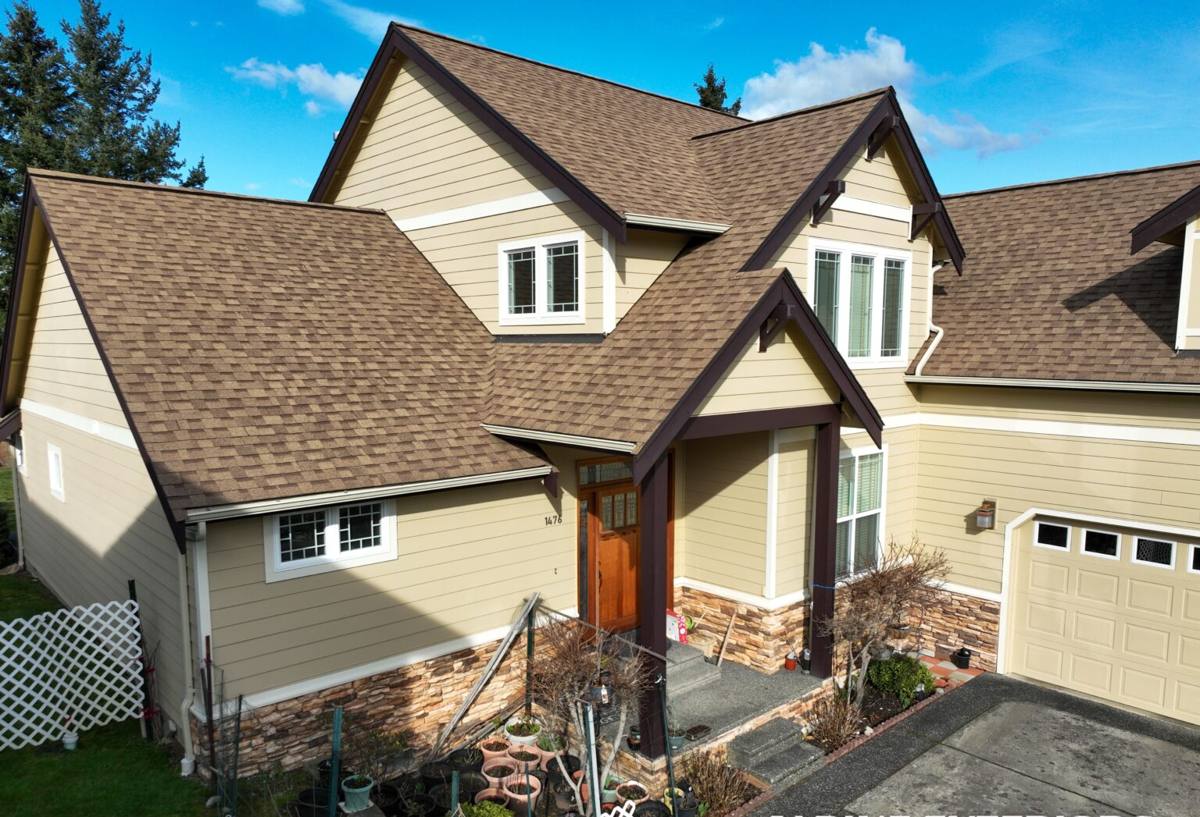
What Del Oro Homes Typically Need From a Roof Repair
Most homes in this part of Clearwater are roofed in one of three systems: asphalt shingle, concrete or clay tile, or standing-seam metal. Each ages differently under Florida sun and storm exposure, but they share the same failure points — the places where two materials meet, or where a roof changes plane.
Shingle Roofs
UV exposure bakes the oils out of asphalt shingles over time, making them brittle. Brittle shingles crack and lift in wind rather than flexing with it. Once a shingle's seal fails, wind-driven rain doesn't need a big opening to get underneath — it just needs a gap.
Tile Roofs
Tile itself is durable, but the underlayment beneath it is doing the real waterproofing work. Cracked or slipped tiles usually aren't the actual leak — they're a symptom pointing to an underlayment or flashing problem underneath that needs to be addressed, not just re-covered.
Metal Roofs
Metal handles wind well when properly fastened, but panel seams, fastener washers, and penetrations (vents, stacks, skylights) are where salt air and thermal cycling eventually cause problems. Repair on metal is almost always about those connection points, not the panels themselves.
Common Roof Repair Issues We See in This Area
Across the repair calls we handle in and around Del Oro, a handful of issues come up repeatedly:
- Flashing failure around chimneys, skylights, and roof-to-wall transitions — the single most common source of interior leaks
- Wind-lifted or missing shingles after a storm system passes through, even when the storm wasn't a named hurricane
- Valley leaks where two roof slopes meet and water volume concentrates during heavy rain
- Cracked or slipped tiles from foot traffic, falling debris, or age-related brittleness
- Deteriorated pipe boots and vent seals — rubber components that break down faster than the roof around them under constant UV
- Fastener corrosion on metal roofing and flashing, accelerated by salt-laden air
- Soffit and fascia rot where a slow, unnoticed leak has been feeding moisture into the roofline for months
Individually, most of these are inexpensive to fix. Left alone through even one more rainy season, several of them turn into decking replacement, interior drywall repair, or worse.
What an Honest, Correct Repair Actually Involves
A roof repair done right isn't about covering the visible problem — it's about finding why that spot failed and fixing the cause. That distinction matters more in Clearwater than in drier, calmer climates, because a repair that only addresses symptoms tends to reopen after the next wind event.
A proper repair generally includes:
- A full inspection of the affected area and the surrounding roof plane — not just the spot where the leak showed up inside
- Identifying whether the failure is at the surface material, the underlayment, or the flashing
- Removing and replacing damaged material back to sound decking or intact underlayment, not just surface-patching over it
- Matching replacement shingles, tiles, or panels as closely as reasonably possible in material and profile
- Re-sealing and re-fastening penetrations and flashing to current wind-resistance standards
- Checking attic ventilation and decking condition where accessible, since trapped moisture and heat accelerate the next failure
Any contractor who quotes a roof repair without getting on the roof and inspecting the surrounding area first is guessing. That guess usually costs the homeowner a second service call.
Our Repair Process
We keep the process straightforward because homeowners dealing with a leak don't need extra complexity added on top of it.
1. Inspection and Diagnosis
We assess the damage on the roof itself, not just from the ground or from a photo. We identify the root cause, not just the visible symptom, and we check adjacent areas that are showing early wear.
2. Clear, Written Estimate
You get a straightforward explanation of what's actually wrong, what needs to be repaired versus what can be monitored, and what it costs — before any work starts.
3. The Repair Itself
We remove and replace only what's actually damaged, tie new material and flashing into the existing roof correctly, and reseal all affected penetrations and transitions.
4. Cleanup and Walkthrough
Job site cleared of debris and old material, and we walk the completed repair with you so you know exactly what was done and why.
Repair vs. Replacement: How to Tell Which You Actually Need
Not every leak means a new roof, and not every roof past its warranty date needs to come off. The decision usually comes down to a few honest factors:
| Factor | Leans Toward Repair | Leans Toward Replacement |
|---|---|---|
| Roof age | Well within expected lifespan for the material | At or beyond typical service life |
| Extent of damage | Isolated to one area or penetration | Spread across multiple sections or slopes |
| Underlayment condition | Intact and dry elsewhere on the roof | Widely deteriorated or saturated |
| Decking condition | Solid, no soft spots | Soft, rotted, or delaminated in multiple areas |
| Storm history | Single recent event, otherwise sound roof | Repeated storm damage over several seasons |
| Insurance considerations | Damage is minor and localized | Adjuster or inspection points to full-system failure |
We'll tell you honestly which category your roof falls into. A repair-first recommendation isn't us trying to avoid a bigger job — it's what the roof actually needs, and it's usually the more cost-effective answer when the underlying structure is still sound.
Why a Crew That Already Works Del Oro Matters
Roof repair is one of those trades where local familiarity actually changes the outcome, not just the sales pitch. A crew that regularly works in this part of Clearwater knows the roofing systems common to the neighborhood, understands how Pinellas County's building and permitting requirements apply to repair work, and has already seen how these specific roofs respond to Gulf Coast storm patterns.
That familiarity shows up in practical ways: faster, more accurate diagnosis because we're not guessing at an unfamiliar roof type; material and color matching that's closer because we've sourced similar products for nearby homes; and realistic timelines that account for local permitting and weather windows rather than generic estimates. It also means a shorter response time when a storm rolls through and multiple homes in the same area need attention at once.
What to Check Before You Hire a Repair Contractor
Whether you call us or someone else, a few basics protect you from a bad repair:
- Confirm the contractor is licensed to work in Florida and carries current liability insurance
- Ask for a written estimate that specifies materials, scope, and what's excluded
- Make sure the crew inspects the roof in person before quoting — not just from a satellite photo
- Ask how the repair will be tied into the existing roof system, not just laid over it
- Get a clear answer on warranty coverage for both materials and labor
- Be cautious of anyone pushing full replacement before a proper inspection has ruled out repair
Protecting Your Roof Between Repairs
A few habits go a long way toward stretching the life of a repair in this climate. Have the roof visually checked after any significant wind event, even if nothing looks obviously wrong from the ground. Keep gutters and valleys clear so water doesn't pool or back up during heavy rain. Trim back overhanging branches that drop debris or hold moisture against the roof surface. And don't ignore small interior signs — a faint ceiling stain or a musty smell in the attic is almost always cheaper to address early than after it spreads.
If you're seeing a leak, missing shingles, lifted flashing, or just want an honest opinion on a roof that's getting older, we're glad to take a look. Reach out for a free, no-pressure estimate using the form below, and we'll give you a straight answer on what your roof actually needs.