 Clearwater Siding
 Metal Roofing in Harbor Oaks: Why the Details Matter Here
Harbor Oaks sits close to the water on Clearwater's harbor side, which means homes here take on a different weather load than houses a few miles inland. Between hurricane-force wind gusts, near-constant UV exposure, wind-driven rain, and salt-laden air rolling off the harbor, a roof in this neighborhood works harder than the manufacturer's spec sheet usually accounts for. Metal roofing can outperform almost every other option in these conditions — but only when it's specified and installed correctly for this exact environment. A metal roof installed the way it would be in a dry, inland climate is a metal roof that will disappoint a Harbor Oaks homeowner within a few years.
This page covers what a metal roof actually needs to hold up on a Harbor Oaks home, what a correct installation looks like, and how our process is built around the realities of working this specific pocket of Pinellas County.
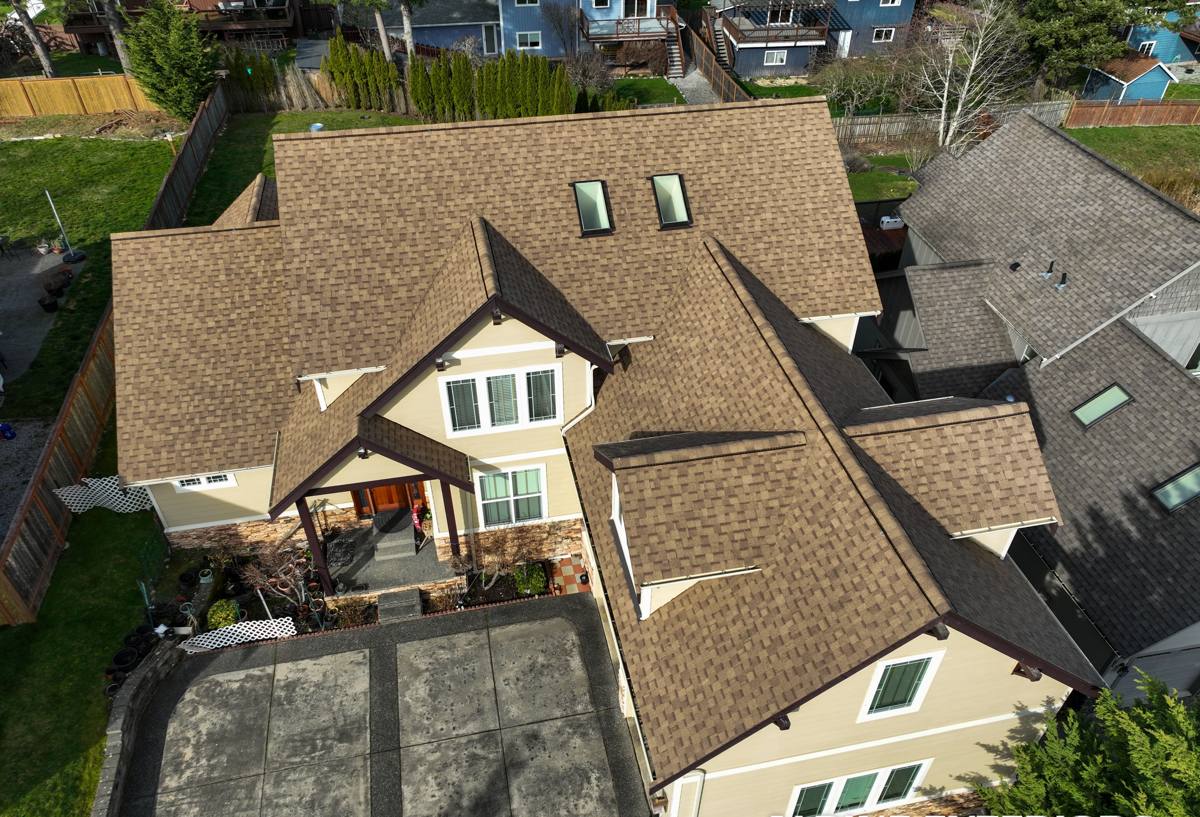
What Harbor Oaks' Climate Actually Does to a Roof
Wind
Clearwater sits in Florida's wind-borne debris region, and homes near the water catch the full force of tropical storm and hurricane winds with little to break them up. Roof failures in high wind almost never start with the panel itself — they start at the edges, the fasteners, and the flashing. Uplift pressure concentrates at eaves, rakes, and ridge lines, which is exactly where a rushed or underspecified installation tends to cut corners.
UV and Heat
Florida sun is relentless, and it's on the roof twelve months a year, not just in summer. UV breaks down coatings, dries out sealants, and accelerates thermal cycling — the constant expansion and contraction that stresses seams, fasteners, and panel-to-panel connections over years of daily heating and cooling.
Wind-Driven Rain
A storm doesn't just drop rain straight down here — it drives it sideways, under lapped edges and into any gap that a standard installation might leave alone. Roofs that perform fine in a normal rain event can leak badly in a wind-driven one if the underlayment, seams, and flashing weren't detailed for it.
Salt Air
Being close to Clearwater Harbor means salt is in the air year-round, not just after a storm. Salt accelerates corrosion on any exposed metal — fasteners, flashing, panel edges — and it's unforgiving of the wrong material choices or skipped coating steps.
Metal Roofing Systems: What Actually Holds Up in This Environment
Not all metal roofing is built the same, and the differences matter more here than in most parts of the country. Below is an honest comparison of the systems we discuss most often with Harbor Oaks homeowners.
| System | Wind Performance | Corrosion Resistance | Best For |
|---|---|---|---|
| Standing Seam (concealed fastener) | Excellent — no exposed screws to back out or leak | Very good, especially in aluminum | Homes prioritizing long-term, low-maintenance coastal performance |
| Metal Shingle / Metal Tile Panels | Good, when properly interlocked and fastened | Good with quality coatings | Homeowners wanting a traditional shingle or tile look with metal durability |
| Exposed-Fastener Corrugated/Ribbed Panels | Fair — performance depends heavily on fastener maintenance | Weakest point is the exposed fasteners over time | Budget-conscious projects, secondary structures, less exposed areas |
For most primary residences in Harbor Oaks, we steer conversations toward standing seam or a well-engineered metal shingle system. Exposed-fastener panels aren't a bad product, but the exposed screws are the first thing salt air and thermal cycling go after, and that means more maintenance to keep the roof watertight over its life. We'll walk you through the honest trade-offs for your specific home rather than pushing one system for every roof.
Aluminum vs. Steel
Aluminum doesn't rust and holds up exceptionally well against salt air, which makes it a strong choice this close to the harbor. Galvanized or Galvalume steel can also perform very well, but it depends more heavily on an intact, high-quality coating — any scratch or cut edge that exposes bare steel becomes a corrosion starting point in a salt-air environment. We factor your home's exposure and distance from the water into which material we recommend.
What a Correctly Installed Metal Roof Includes
The panels get the attention, but the parts you don't see are what determine whether the roof performs for twenty-plus years or starts causing problems in five. A correct installation on a Harbor Oaks home includes:
- Deck inspection and repair before anything goes down — metal roofing over a compromised deck just hides a bigger problem
- A high-temperature, self-adhering underlayment rated for wind-driven rain, not a basic felt product
- Fastening patterns and clip spacing matched to the wind uplift rating required for your home's location and roof geometry
- Properly lapped and sealed seams at every panel joint, not just at the ends
- Corrosion-resistant fasteners and flashing matched to the panel material, so you're not pairing metals that react against each other
- Custom-formed flashing at every valley, wall transition, chimney, and penetration — prefabricated pieces rarely fit real rooflines cleanly
- Proper ridge and eave detailing to prevent wind uplift from finding a starting point at the edges
- Ventilation that lets the roof assembly breathe, reducing heat buildup and moisture that can undermine the deck from underneath
Skip any one of these and the panels themselves become almost irrelevant — the roof will fail at its weakest detail, not in the middle of a panel.
Our Process for a Harbor Oaks Metal Roofing Project
1. On-Site Assessment
We inspect the existing roof, deck condition, flashing points, and how your home is oriented relative to prevailing wind and rain exposure. A house closer to the water or more exposed to open wind gets treated differently than one tucked behind mature tree cover.
2. System Recommendation
Based on that assessment, your home's age and roofline, and your priorities — appearance, budget, or maximum longevity — we recommend a specific panel type, material, and fastening approach, and explain why.
3. Tear-Off or Overlay Decision
In most cases we recommend a full tear-off so the deck can be inspected and repaired properly. Overlaying metal onto an existing roof surface can sometimes be appropriate, but it also hides deck issues and complicates flashing details, so we only recommend it when it's genuinely the right call for that roof.
4. Installation
Deck repair, underlayment, panel installation, and custom flashing fabrication, done in the sequence that keeps the roof watertight at every stage — not just at the end.
5. Final Walkthrough
We walk the finished roof with you, review the work, and go over basic care so you know what to expect over the coming years.
What a Metal Roof Costs to Do Right
Metal roofing costs more upfront than asphalt shingles, and the range varies based on several factors specific to your home and system choice. Broadly, homeowners in this area should expect metal roofing to run from moderate to premium pricing depending on the system, with standing seam typically at the higher end and exposed-fastener panels at the lower end. The table below breaks down what actually drives that number up or down.
| Cost Factor | Why It Matters |
|---|---|
| Panel system chosen | Standing seam costs more than exposed-fastener panels due to material and labor complexity |
| Material (aluminum vs. steel) | Aluminum typically costs more but offers superior corrosion resistance near the harbor |
| Roof complexity | Valleys, dormers, and multiple roof planes require more custom flashing and labor |
| Deck condition | Rot or damage found during tear-off adds repair cost but is essential to address |
| Underlayment quality | Premium self-adhering underlayment costs more but is what actually stops wind-driven rain |
We provide itemized, honest estimates so you can see exactly what you're paying for and why — not a single lump number with no explanation.
Maintenance and What to Expect Over Time
A correctly installed metal roof in this climate is genuinely low-maintenance, but "low-maintenance" doesn't mean "no attention ever." We recommend a periodic visual check after major storms, keeping gutters and valleys clear of debris and leaf litter from the neighborhood's tree canopy, and having a professional look at flashing and sealant points every few years. Caught early, minor wear at a seam or fastener is a quick fix. Ignored, it can lead to slow water intrusion that's far more expensive to correct.
Why It Matters to Hire a Crew That Already Works in Harbor Oaks
Roofing crews that mostly work inland don't run into salt-air corrosion, wind-borne debris requirements, or wind-driven rain details as a matter of routine — and it shows in how their installations hold up near the water. We work in Clearwater and throughout Pinellas County regularly, which means we're already familiar with local wind-load expectations, permitting, and the specific failure points that show up on homes exposed to harbor conditions. That familiarity shows up in the small decisions made on your roof — fastener spacing, flashing details, material choice — long before a storm ever tests them.
Some homes in the Harbor Oaks area also fall within areas with additional local review or design considerations given the neighborhood's historic character. If that applies to your property, we'll help you understand what's involved before work begins rather than surprising you partway through the project.
If you're considering a metal roof for your Harbor Oaks home, we're happy to walk your roof, answer your questions honestly, and put together a clear, no-pressure estimate. Use the form below to get started.