 Clearwater Siding
 Why Roofs Wear Out Faster on Indian Rocks Beach
Indian Rocks Beach sits close enough to the Gulf that homes here take a different kind of beating than roofs even a few miles inland in Clearwater or the rest of Pinellas County. Salt-laden air corrodes exposed metal fasteners, flashing, and vent hoods faster than in non-coastal neighborhoods. Constant onshore breeze pushes rain sideways during summer storms, driving water up under shingle tabs and around roof penetrations that would stay dry on a calmer site. Add in near-daily UV exposure across a Florida summer, and the asphalt oils that keep shingles flexible dry out years ahead of schedule.
None of this means a roof on Indian Rocks Beach is doomed to fail early — it means the roof has to be built and installed with that environment in mind from the start. A roof that would hold up fine in a drier, calmer climate can underperform here if it's missing the right underlayment, fastening pattern, or corrosion-resistant hardware.
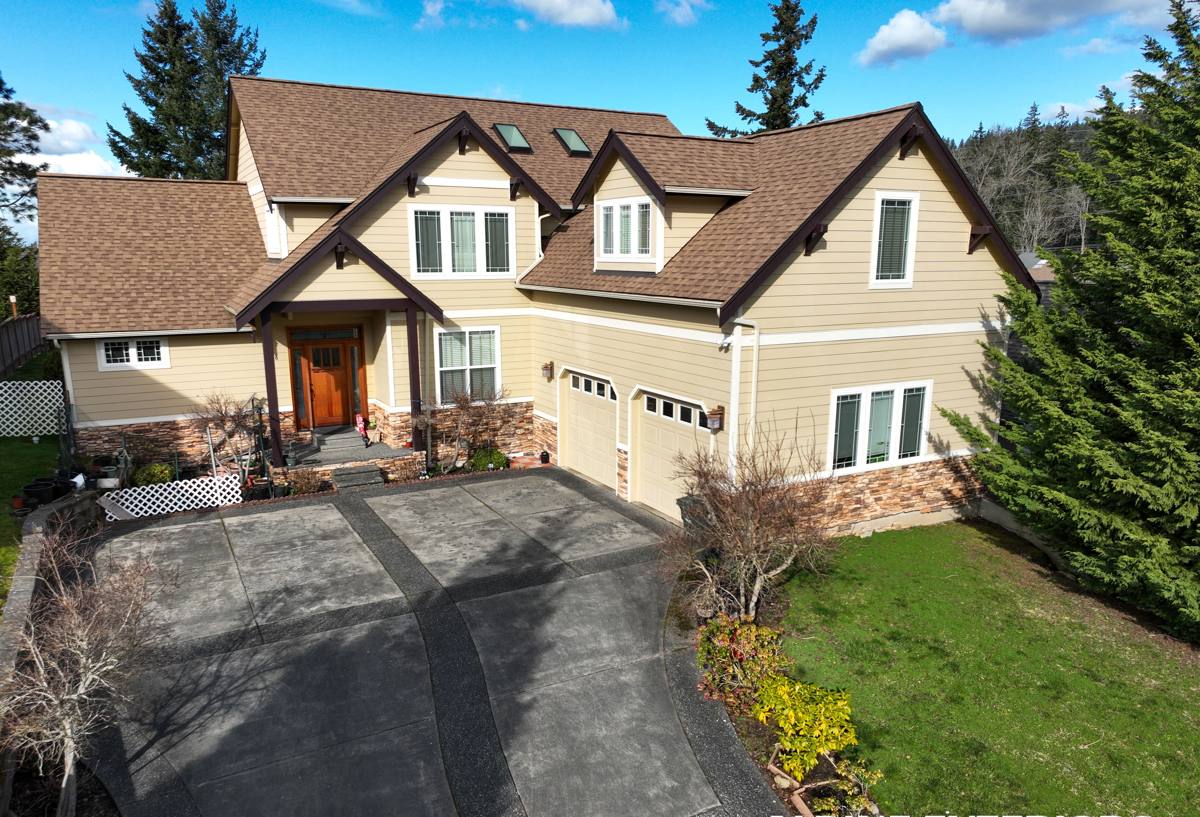
Signs a Roof Replacement — Not Just a Repair — Is the Right Call
Not every roof problem on a barrier island home means a full tear-off. But there are signs that point toward replacement rather than another round of patching:
- Granule loss heavy enough that you're finding grit in gutters or at downspouts regularly
- Shingles that are cupping, curling at the edges, or cracking in multiple areas rather than one isolated spot
- Soft spots in the roof deck when walked, or visible sagging along a roof line
- Repeated leaks in different locations after storms, rather than one recurring trouble spot
- A roof approaching or past 15–20 years old with no documented major repairs
- Visible rust staining or corrosion around flashing, vents, or metal edge trim
- An insurance company flagging the roof's age or condition at renewal
If a roof is only a few years old and the issue is a single damaged area — a lifted flashing seam, a cracked pipe boot, storm-torn shingles in one section — a targeted repair is usually the more honest recommendation. We'll tell you when repair makes more sense than replacement; a full re-roof isn't the right answer for every problem.
What a Correct Roof Replacement Actually Involves
It Starts Below the Shingles
The visible roofing material gets most of the attention, but the layers underneath it do most of the work in a coastal wind-and-rain environment. A correct tear-off exposes the deck so it can actually be inspected — not covered over — for rot, delamination, or fastener pull-through. Any compromised decking gets replaced before anything new goes down, because installing new roofing over a weak deck just hides a problem that will resurface as a leak or, worse, a wind-uplift failure.
Underlayment and Water Barrier
In a wind-driven rain climate, the underlayment matters almost as much as the shingle itself. A synthetic or self-adhering underlayment, with self-adhering membrane at eaves, valleys, and around penetrations, gives the roof a real second line of defense if wind ever drives water past the surface layer. This is a place where cutting corners doesn't show up immediately — it shows up the first time a storm pushes rain sideways.
Flashing, Fasteners, and Ventilation
Flashing around chimneys, walls, skylights, and roof-to-wall transitions is one of the most common leak sources on any re-roof, and salt air accelerates corrosion of the wrong metal choices. Fasteners should be corrosion-resistant, sized and spaced to current wind-load standards, not just whatever was used decades ago. Ventilation is easy to overlook but directly affects shingle lifespan — a roof deck that can't breathe traps heat and moisture, which shortens the life of the materials above it from underneath.
Roofing Material Options for Coastal Pinellas Homes
There isn't one universally "best" roofing material for Indian Rocks Beach — the right choice depends on the home's structure, budget, HOA or historic guidelines if applicable, and how long the owner plans to stay in the home. Here's how the common options compare in this specific climate:
| Material | Coastal Wind/Salt Performance | Typical Lifespan Here | Maintenance Notes |
|---|---|---|---|
| Architectural asphalt shingle | Good, when rated for high wind and properly fastened | 15–25 years | Most affordable; periodic inspection of flashing and sealant needed |
| Metal (standing seam) | Excellent wind uplift resistance; needs coastal-grade fasteners/coatings | 40–50+ years | Higher upfront cost; very low ongoing maintenance |
| Tile (concrete or clay) | Very durable surface, but underlayment and fastening are critical in high wind | 30–50+ years | Heavier — structure must support it; occasional tile replacement after impacts |
| Flat/low-slope membrane (for additions or porches) | Performs well when seams and edges are detailed correctly | 15–25 years | Needs periodic seam and drain inspection |
We don't push one material as universally right. We'll walk through the trade-offs — upfront cost versus lifespan, weight versus structure, appearance versus maintenance — based on your actual roof, not a one-size answer.
What Drives Cost on a Coastal Re-Roof
Every roof replacement quote is different, but the same handful of factors move the price up or down on most Indian Rocks Beach homes:
| Factor | Why It Matters |
|---|---|
| Roof pitch and access | Steeper or harder-to-access roofs take longer and require more safety setup |
| Deck condition | Rotted or delaminated decking found during tear-off adds material and labor |
| Number of penetrations | Chimneys, skylights, vents, and roof-to-wall transitions each need proper flashing |
| Material choice | Shingle, metal, and tile carry very different material and labor costs |
| Wind mitigation upgrades | Meeting current code and insurance-favorable standards can add cost but often pays back in premiums |
| Permit and inspection requirements | Coastal jurisdictions often require more documentation and inspection steps |
We give a written, itemized estimate before any work starts, so you know exactly what's driving the number — not a vague lump sum.
Our Roof Replacement Process
- On-site inspection. We walk the roof and attic where accessible, document existing conditions with photos, and check for deck soundness, ventilation, and flashing condition.
- Written estimate. A clear, itemized proposal covering materials, labor, disposal, and any anticipated deck repair allowance.
- Permitting. We pull the required permit through the appropriate local building department before work begins — this isn't optional in Pinellas County, and skipping it creates real problems at resale and with insurance.
- Tear-off and deck inspection. Old roofing is fully removed so the deck can be inspected in daylight, not guessed at.
- Deck repair as needed. Any compromised sheathing is replaced before underlayment goes down.
- Underlayment and flashing installation. Water barrier, valley protection, and flashing go in per manufacturer and code specification.
- Roofing material installation. Installed to the fastening pattern and wind-rating specification appropriate for a coastal exposure.
- Final inspection and cleanup. Municipal inspection where required, magnetic sweep for nails, and full site cleanup.
Permits, Wind Mitigation, and Insurance
Pinellas County and its coastal municipalities take roofing permits seriously, and for good reason — a roof that isn't installed and inspected to current code is a liability in the next hurricane season, not just a paperwork issue. A permitted, inspected replacement also matters at resale and for insurance underwriting. Many insurers now ask for a wind mitigation inspection that documents roof shape, deck attachment, roof-to-wall connections, and secondary water barrier — details that can directly affect your premium. We build our installs to meet current wind mitigation standards and can point you toward what documentation to request for your insurer once the job is complete; we don't handle the insurance claim itself, but we make sure the roof is built to qualify for the credits available.
What to Ask Before Hiring a Roofer in Indian Rocks Beach
- Are you licensed and insured to work in Pinellas County, and can you provide proof?
- Will you pull the permit yourself, or is that left to the homeowner?
- What underlayment and fastening specification do you use for coastal wind exposure?
- Do you inspect and document deck condition before quoting a final material allowance?
- What's the manufacturer's warranty versus your own workmanship warranty, and what's the difference?
- Have you worked on other homes in this immediate area, and do you understand the local wind and salt exposure?
A contractor who hesitates on any of these — especially permits and coastal-specific installation detail — is worth a second opinion before you sign anything.
Why Local Experience in Indian Rocks Beach Matters
A roof crew that regularly works this stretch of the Pinellas County coastline already knows which flashing details tend to fail first in this exposure, which fastener grades hold up against salt air, and what the local permitting process actually requires — not just in theory, but from having gone through it repeatedly. That experience shows up in fewer callbacks, fewer surprises during tear-off, and a roof that's built for the conditions it will actually face, not a generic installation lifted from a drier, calmer market.
After the Roof Goes On
A new roof still benefits from basic upkeep in this climate. A twice-yearly visual check — after storm season and again in spring — for lifted shingles, debris buildup in valleys, or staining around penetrations catches small issues early. Keeping gutters clear reduces water backing up under the roof edge, and trimming back overhanging branches limits both debris and physical damage during high wind. None of this is intensive, but a few minutes of attention a couple of times a year meaningfully extends the life of the investment.
If your roof is showing its age or you just want a straight answer about whether repair or replacement makes more sense for your Indian Rocks Beach home, we're happy to take a look. Fill out the form below for a free, no-pressure estimate.