 Clearwater Siding
 Why Siding on Indian Rocks Beach Wears Out Faster
Indian Rocks Beach sits on a narrow barrier island west of Clearwater, with the Gulf of Mexico on one side and the Intracoastal Waterway on the other. That position is what makes the neighborhood beautiful, and it's also what makes the exterior of a home work harder than almost anywhere else in Pinellas County. Salt-laden air moves across these homes constantly, not just on windy days. Combined with some of the most intense year-round UV exposure in the continental United States, wind-driven rain during summer storms, and the occasional direct hit from a tropical system, siding here is under a kind of sustained stress that inland Florida homes simply don't see.
Most siding products are engineered and tested for general climate conditions, not for a barrier island. Over time, that gap shows up as chalking paint, swelling panel edges, corroded fasteners, and moisture intrusion that starts small and gets expensive. A siding replacement on Indian Rocks Beach isn't just a cosmetic project — it's a decision about how well the home's exterior will hold up against conditions that don't let up.
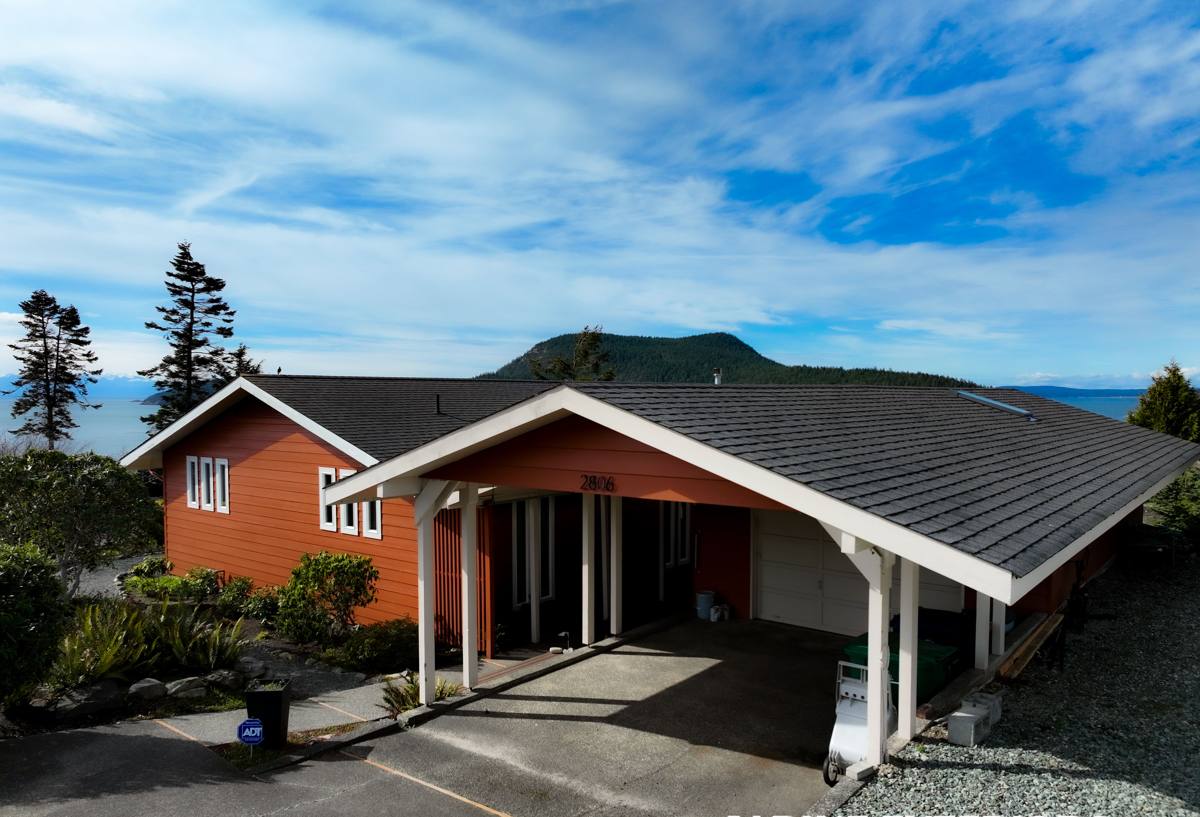
Signs Your Siding Has Reached the End of Its Useful Life
Coastal siding rarely fails all at once. It shows warning signs first, and catching them early keeps a siding job from turning into a repair for water damage underneath. Homeowners near the beach should watch for:
- Panels that are cupping, buckling, or visibly separating from the wall
- Soft or spongy spots when you press on the siding, especially near the bottom courses
- Paint that's chalking, peeling, or fading unevenly within just a few years of a repaint
- Rust streaks or corrosion around nail heads and fastener points
- Gaps opening up at corner boards, trim, or window and door casings
- Mold or mildew that reappears quickly after cleaning, which often points to trapped moisture rather than a surface problem
- A noticeable jump in cooling costs, which can mean the siding and underlying barrier are no longer doing their job
Any one of these on its own might just call for a repair. Several of them together, especially on a home that's a decade or more old, usually means it's time to talk about full replacement rather than patching.
What a Correct Siding Replacement Actually Involves
Tear-Off and Substrate Inspection
A proper job starts with removing the old siding down to the sheathing, not installing over it. That step matters everywhere, but especially this close to the Gulf, because it's the only way to find rot, corroded framing fasteners, or water damage that's been hiding behind the old panels. Skipping this step to save time is one of the most common ways a siding job fails early on a coastal home.
Weather-Resistive Barrier and Flashing
Once the substrate is exposed and any damaged wood is repaired, a new weather-resistive barrier goes on, along with properly lapped flashing at every window, door, and penetration. This layer is what actually keeps wind-driven rain out of the wall assembly — the siding itself is the second line of defense, not the first. On a barrier island where storms push rain sideways into walls rather than straight down, getting the flashing details right is not optional.
Fastening for High-Wind Exposure
Fastener type, spacing, and placement all need to match the wind exposure category for the site, not a generic installation pattern. Under-fastened or improperly spaced siding is one of the leading causes of panels coming loose in high winds, and it's a detail that's easy to shortcut and hard to notice until a storm tests it.
Why We Only Install James Hardie Fiber Cement
We get asked fairly often about vinyl, engineered wood siding like LP SmartSide, and other lower-cost options. We don't install them, and it's worth explaining why in plain terms rather than just saying no. Every siding material involves trade-offs — the question is which trade-offs make sense for a home that sits in salt air and takes direct sun nearly every day of the year.
| Material | Moisture Behavior | Wind/Impact Performance | Long-Term Maintenance |
|---|---|---|---|
| James Hardie fiber cement | Non-combustible, dimensionally stable, resists moisture-driven swelling and rot | Engineered HZ product lines rated for high-wind, high-humidity climate zones | ColorPlus factory finish holds color without frequent repainting |
| Vinyl siding | Can warp or deform in sustained high heat and UV | Lighter panels are more prone to wind uplift and cracking on impact | Fades over time with no practical way to refinish it |
| LP SmartSide / engineered wood | Wood-based core is more vulnerable to sustained moisture exposure at edges and cuts | Performs reasonably in wind when installed to spec | Requires diligent caulking and repainting to protect exposed edges |
| Cedar or primed wood | Natural material, most sensitive to moisture, salt, and insect activity | Adequate but not built for sustained coastal exposure | Highest ongoing maintenance and repainting cycle |
Vinyl is inexpensive and low-maintenance in a lot of the country, but on a barrier island it takes constant sun and salt with no way to touch up fading or repair cracked panels short of replacement. Engineered wood products like LP SmartSide have improved a great deal over older wood siding, but they're still wood-based at the core, and that means the installation has to be close to flawless at every cut edge and seam to keep moisture out over the long run — a much smaller margin for error in this climate. Cedar and primed wood siding look good on day one but demand the most upkeep of any option here, and salt air accelerates that upkeep schedule.
James Hardie fiber cement is non-combustible, holds up to UV without breaking down, and is engineered in HZ product lines specifically for high-wind, high-moisture climate zones like ours. The ColorPlus factory finish is baked on rather than field-applied, so it resists fading and chipping far longer than a standard paint job. We standardized on it because it's the product that consistently performs the way we need it to on homes exposed to this much sun, salt, and wind — not because it's the cheapest option on the market.
Our Replacement Process on Indian Rocks Beach
Inspection and Estimate
We start with a walk-around inspection of the current siding, trim, and any visible problem areas, and talk through what we're seeing in plain language. The estimate covers material, labor, and any substrate repair we anticipate based on what we find.
Site Prep and Protection
Landscaping, walkways, and outdoor living areas get protected before tear-off begins. On tighter beachside lots, we plan material staging and debris removal carefully so the job doesn't spill into neighboring property or block access for the street.
Tear-Off, Repair, and Installation
Old siding comes off, the sheathing gets inspected and repaired as needed, then the weather-resistive barrier, flashing, and new Hardie siding go on in that order, with fastening matched to the site's wind exposure.
Final Walkthrough
Before we call the job done, we walk the exterior with the homeowner, check trim and caulk lines, and make sure everything meets the standard we'd want on our own home.
Why It Matters to Hire a Crew That Already Works This Coastline
Barrier island homes aren't built or exposed the same way as homes a few miles inland. Elevation requirements, flood zone considerations, and the way wind loads behave near open water all factor into how a siding job should be planned and executed. A crew that regularly works Indian Rocks Beach and the surrounding Clearwater coastline already understands these conditions going in — how much more attention flashing and fastening need here, what kind of wear patterns to expect, and how to sequence a job around salt air and unpredictable weather windows. That familiarity shows up in fewer surprises during the job and in siding that's actually installed for the environment it has to survive, not just installed to a generic spec.
What Affects the Cost of a Siding Replacement Here
Every home is different, but a few factors consistently drive cost up or down on a project like this:
- The condition of the sheathing and framing once the old siding comes off — hidden rot adds repair work
- Home size and the amount of trim, corners, and architectural detail involved
- Number of stories, which affects access, scaffolding, and labor time
- Whether existing flashing around windows and doors needs to be replaced along with the siding
- Panel profile and color selection within the James Hardie lineup
We can't quote a number without seeing the home, but we're upfront about which of these factors are likely to apply once we've done the walk-around inspection.
Protecting Your Investment After Installation
Fiber cement siding is low-maintenance compared to the alternatives, but "low-maintenance" isn't "no-maintenance" this close to the water. A yearly rinse to clear off salt residue, keeping caulk lines at trim and penetrations in good shape, and addressing any landscaping that's pushing sprinklers or irrigation directly onto the siding all go a long way toward getting the full lifespan out of the installation. None of this is heavy work — it's mostly about not letting small maintenance items sit for years in an environment that doesn't forgive neglect the way inland climates do.
If your siding on Indian Rocks Beach is showing wear, or you're just not sure whether it's a repair or a replacement situation, we're glad to come take a look. The estimate is free, there's no pressure, and you'll get a straight answer about what your home actually needs — just fill out the form below to get started.