 Clearwater Siding
 Metal Roofing Built for Oldsmar's Coastal Climate
Oldsmar sits on the edge of Old Tampa Bay in Pinellas County, and that location cuts both ways. Homeowners get the water views and the breeze, but they also get everything that comes with living close to open water: hurricane-force wind gusts during storm season, wind-driven rain that finds every weak seam, salt-laden air that speeds up corrosion, and some of the most intense year-round UV exposure in the continental United States. A roof here isn't just shedding water — it's fighting off four different stressors at once, every single day, not just during a named storm.
Metal roofing has become a popular answer to that problem for Oldsmar homeowners, and for good reason. Done correctly, a metal roof outlasts asphalt shingles by decades, handles high wind uplift better than almost any other roofing material, and doesn't feed mold or algae growth the way organic shingle mats can in humid coastal air. But "done correctly" is doing a lot of work in that sentence. Metal roofing is unforgiving of shortcuts in a way shingle roofing often isn't — a sloppy shingle job might leak in a few spots; a sloppy metal job can fail catastrophically in the next big blow. That's the gap we're here to close for Oldsmar homes specifically.
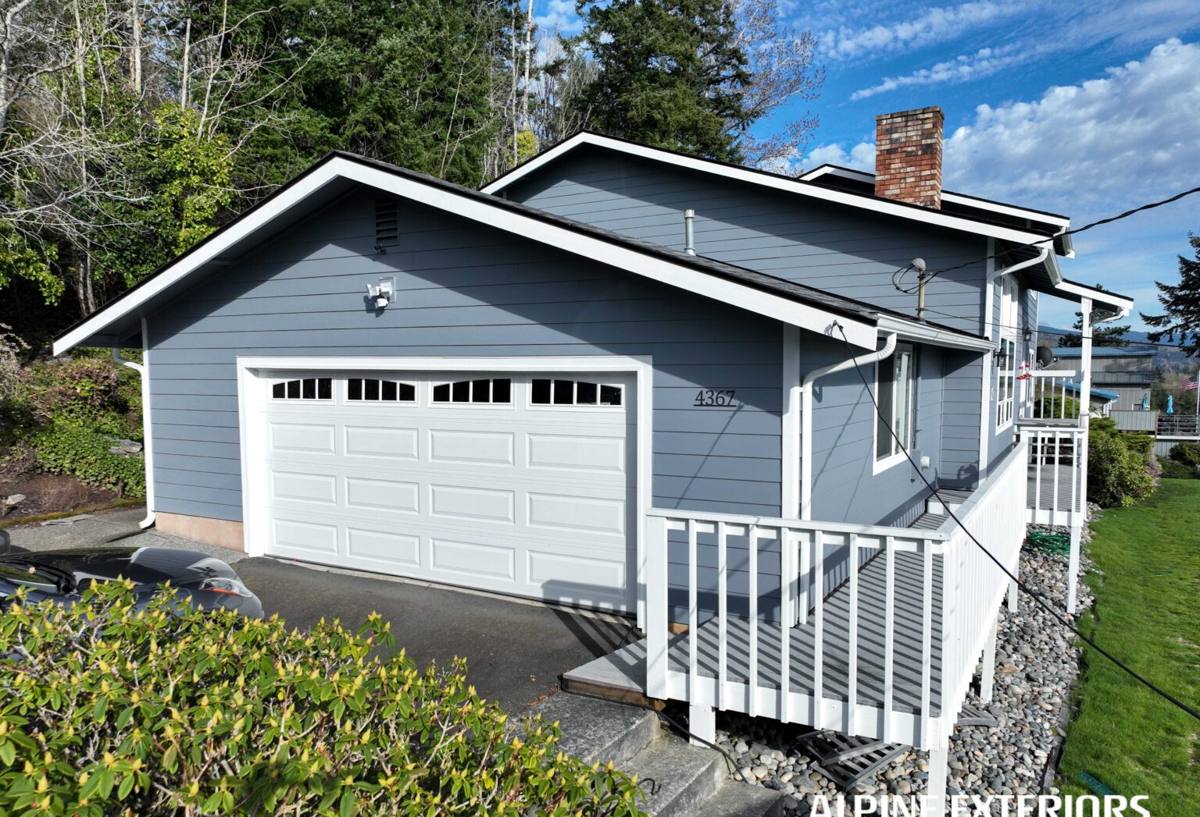
What Oldsmar Roofs Are Actually Up Against
Wind
Pinellas County sits in a high-velocity hurricane zone, and Oldsmar's proximity to the bay means wind can accelerate across open water before hitting a roofline with less obstruction than an inland neighborhood might have. Metal panels only perform to their rated wind resistance when the fastening pattern, panel overlap, and edge detailing are installed to spec. A panel that's rated for 150+ mph uplift resistance on paper can fail well below that if screws are overdriven, underdriven, or spaced incorrectly.
UV and heat
Florida sun breaks down roofing materials from the top down. Paint finishes on metal panels chalk and fade over time if the coating system wasn's built for this exposure level. Cheaper mill finishes or under-spec'd paint systems can lose their reflectivity and color well before the panel itself would otherwise need replacing.
Wind-driven rain
Florida storms rarely come straight down. Rain gets pushed sideways and upward under eaves, around penetrations, and into any gap in flashing. Metal roofing sheds bulk water extremely well, but the details — valleys, wall flashing, pipe boots, ridge caps — are where wind-driven rain actually gets in if they're not built correctly.
Salt air
Being near Tampa Bay means airborne salt is a constant, low-grade corrosive presence. Fasteners, flashing metal, and panel coatings all need to be matched to a coastal-grade spec, not the standard inland spec, or corrosion shows up years earlier than it should.
What a Correctly Installed Metal Roof Includes
A metal roof is a system, not just a layer of panels. Every component below has to work together, and skipping or downgrading any one of them is where most premature failures start.
- Deck inspection and repair — the roof deck underneath has to be solid, dry, and properly fastened before anything goes on top of it. Soft or rotted decking gets replaced, not covered over.
- Underlayment — a high-temperature-rated synthetic or self-adhering underlayment that can handle direct sun exposure during install and act as a secondary water barrier for the life of the roof.
- Fastening pattern — matched to the manufacturer's tested wind-uplift specifications for our wind zone, not a generic pattern pulled from a lower-wind-zone install guide.
- Panel overlap and seams — installed to the manufacturer's minimum overlap and sealed where the system calls for sealant, not skipped to save time.
- Flashing at every penetration and transition — valleys, walls, chimneys, vent stacks, and skylights are where most leaks originate, and they need custom-formed flashing, not generic trim stretched to fit.
- Ridge and hip caps — properly vented where needed and fastened to resist wind uplift at the roof's highest-exposure points.
- Coastal-grade fasteners and trim — matched metals to avoid galvanic corrosion between dissimilar metals, which is a real risk this close to the bay.
Panel Options for Oldsmar Homes
There's no single "best" metal roofing panel — the right choice depends on the home's roofline, budget, and how long the owner plans to be in the house. Here's how the common options compare for a coastal Pinellas County property.
| Panel Type | Wind Performance | Typical Lifespan | Best For |
|---|---|---|---|
| Standing seam (concealed fastener) | Excellent — fasteners are hidden and protected from direct weather | 40-60+ years | Homeowners wanting the longest service life and lowest maintenance |
| Exposed-fastener panel (5V, corrugated) | Good, but fastener washers age and need periodic checking | 25-40 years | Budget-conscious projects, outbuildings, secondary structures |
| Stone-coated steel | Very good — heavier profile with a shingle or tile appearance | 40-50 years | Homeowners who want a metal roof's durability with a traditional look |
For primary residences this close to open water, we lean toward recommending standing seam or stone-coated steel because the exposed fasteners on entry-level panels are one more maintenance item in a climate that already demands attention. That said, an honest exposed-fastener install with the right screws and washers, checked periodically, is still a legitimate option for the right budget and building.
Our Process for an Oldsmar Metal Roof Project
- On-site inspection — we walk the existing roof, check the deck condition where accessible, note the roof's slope, penetrations, and exposure to prevailing wind, and take real measurements rather than working off satellite estimates.
- Panel and coating selection — we walk through the panel options above against the home's specific roofline and the owner's budget and timeline.
- Tear-off and deck prep — old roofing is removed down to the deck, damaged decking is replaced, and the deck is inspected and re-fastened as needed before anything new goes on.
- Underlayment and flashing installation — the water-management layer goes down first, with special attention to valleys and penetrations before panels ever go on.
- Panel installation — panels are run and fastened to the manufacturer's wind-rated specification, not a generalized pattern.
- Trim, caps, and detail work — ridge caps, hip caps, and all edge trim are installed and sealed.
- Final walkthrough — we inspect the completed roof with the homeowner, and clean up the site including a magnetic sweep for stray fasteners.
Wind Zone and Code Considerations
Pinellas County enforces the Florida Building Code's high-velocity and windborne-debris requirements, and Oldsmar's permitting process reflects that. Metal roofing materials used here need to carry the appropriate Florida product approval or Miami-Dade Notice of Acceptance for the wind exposure category of the specific property. This isn't paperwork for its own sake — it's the documentation that ties the manufacturer's tested wind performance to the actual product installed on your roof, and it matters if you ever need to file an insurance claim after a storm. Permits and inspections on a reroof aren't optional extras; they're part of what makes sure the finished roof actually performs the way it's rated to.
Maintenance That Actually Matters
One of metal roofing's real advantages is how little routine maintenance it needs compared to shingles — but "little" isn't "none," especially in a salt-air, high-UV environment. A short annual checklist covers most of it:
- Visually check for lifted or loose panels after any major storm, especially at the roof's edges and corners where uplift pressure is highest.
- Inspect exposed fasteners (if that panel type was used) for washer cracking or backing out, and re-torque or replace as needed.
- Clear debris from valleys and around penetrations — trapped leaves and organic debris hold moisture against the metal and accelerate corrosion.
- Check sealant at flashing points for cracking or shrinkage, particularly after several summers of direct UV exposure.
- Look for any signs of galvanic staining where dissimilar metals may be in contact, such as around vent pipes or gutters.
- Keep gutters clear so water isn't backing up under the roof's drip edge.
What Drives the Cost
Metal roofing costs more upfront than asphalt shingles, and the final number depends on more than just square footage. The factors below are the ones that actually move the price on an Oldsmar project.
| Cost Factor | Why It Matters |
|---|---|
| Panel type | Standing seam runs higher than exposed-fastener panels due to material and labor complexity |
| Roof complexity | Multiple valleys, hips, dormers, and penetrations all add flashing labor |
| Deck condition | Rotted or undersized decking found during tear-off requires replacement before install |
| Coating and finish grade | Higher-grade paint systems cost more but hold color and reflectivity longer in Florida sun |
| Tear-off scope | Removing multiple layers of old roofing adds labor and disposal costs |
| Roof pitch and access | Steep or hard-to-access roofs require more safety setup and slow the work |
We give straightforward, itemized numbers rather than a single lump figure, so you can see exactly what's driving the total and where there's flexibility.
Why a Crew That Already Works in Oldsmar Matters
Metal roofing performance in this climate comes down to details that are easy to shortcut and hard to inspect after the fact: fastener torque, flashing laps, sealant application, and matching the wind-uplift rating to the actual exposure category of the house. A crew that regularly works Oldsmar and the surrounding Clearwater area already understands the local wind exposure conditions, has a working relationship with the county's permitting and inspection process, and isn't guessing at what "coastal-grade" needs to mean for a property this close to the bay. That familiarity shows up in fewer surprises during the project and a roof that's built to the standard this specific location actually demands, not a generic inland install.
Get a Straightforward Estimate
If you're weighing metal roofing for your Oldsmar home, we're glad to come take a look, answer questions honestly, and put together a clear, no-pressure estimate — no hard sell, no invented urgency. Use the form below to get started.